


A thick layer of dust on your vents often signals a larger problem with your home’s hidden air. Maintaining clean air helps you breathe easier and protects your family from local issues like mold and seasonal pollen.
Improving indoor air quality in Winston-Salem involves three parts that focus on source control, fresh air flow, and advanced air cleaning tools. Most people spend about ninety percent of their time inside, making the home the main source of exposure to airborne dirt and dust. To manage these risks, you should use high-quality HVAC filters and maintain indoor humidity levels between thirty and fifty percent. Controlling moisture helps prevent mold growth. Adding UV lights or whole-house air cleaners can further reduce gases and fine particles that standard filters might miss. Research from the EPA shows that reducing the sources of pollutants is the most effective step. Using professional filters and cleaners serves as extra help for a healthy living space. These combined steps ensure your home stays comfortable and safe all year long.
You may wonder how your local area impacts the air you breathe every day. To choose the right filters or humidity controls, first identify the pollutants and moisture patterns affecting your home.
Indoor Air Quality Winston Salem: What affects indoor air quality in Winston-Salem homes?
Most people spend about 90% of their time inside. This means most of your contact with air pollutants happens in your home. In Winston-Salem, local weather and home habits both change your indoor air quality solutions. Knowing these causes is the first step toward a healthy home.
Outdoor air and local weather
The air outside your house often finds its way inside. In North Carolina, outdoor air levels change with the seasons. Pollen and ozone are common local issues that can seep into your rooms. When outdoor air is poor, your improve indoor air quality in Winston-Salem work must focus on keeping those things out. The EPA says that source control and clean air flow are the best ways to help.
Humidity and moisture control
High humidity is a big part of our local area. If your indoor dampness stays too high, it makes a spot for mold to grow. There are thousands of types of mold, and they come in many colors. We suggest keeping your home between 30% and 50% humidity to stay safe. Good moisture control helps stop mold from spreading through your vents and walls.
Inside sources and home habits
Many things inside your home add to poor air too. Cooking, cleaning, and new rugs can release gases into the air. Pet dander, dust, and smoke also build up over time. Using filters for better air quality is a good way to catch these bits. Changing your air filters often helps your system trap these pollutants before you breathe them in.
How do you choose the right HVAC filter?
Choosing a good air filter is a simple way to help the air in your house stay clean. A filter traps dust, mold, and pet hair before they move through your vents. While you should first try to remove the source of a smell or dust, a good filter helps a lot. The EPA says that filtration acts as a good help to other air cleaning steps. This is a key part of how you can boost the indoor air quality winston salem homes need to stay fresh and safe.
What is a MERV rating?
Most filters use a scale called MERV to show how well they work. MERV stands for Minimum Efficiency Reporting Value. The scale goes from 1 to 16 for most home systems. A low number means the filter only stops big things like lint. A high number means it can catch tiny bits of smoke or germs. For most houses, a MERV 8 to 11 is a good choice. It catches most common things like dust and pollen without slowing down your air too much. Higher ratings can catch smaller things but might block too much air.
Using a MERV 13 filter is common for people with allergies. These filters can catch very small bits of mold and some germs. But they are much thicker than a standard filter. Before you buy a high-rated filter, check what your system can handle. Some older units are not built to push air through a thick weave. If you use the wrong one, your unit might run too hot or freeze up in the summer.
How filters affect your system
If you pick a filter that is too thick, your HVAC system might struggle to breathe. Think of it like trying to run while wearing a thick mask. Your system has to work much harder to pull air through a very dense filter. This can lead to higher power bills or even break your unit over time. It is best to talk to a pro to find the right balance for your home. Using the right filters for better air quality keeps your air clean while keeping your system safe.
When the air cannot move well, your home may not stay at the right level of heat. You might feel hot spots or cold spots in many rooms. This happens because the air is not mixing the way it should. A clean, right-sized filter lets the air flow fast and reach every corner of your house. This helps your system work less and last much longer. It also saves you money on repairs and monthly bills.
| Filter Type. | MERV Rating. | Best Use. | Airflow Impact. |
|---|---|---|---|
| Standard Pleated. | 8 to 11. | Most home HVAC units. | Low to Medium. |
| High Efficiency. | 13 to 14. | Homes with pet allergies. | High. |
| HEPA Filter. | 17 to 20. | Hospitals or clean rooms. | Very High. |
When to replace your filter
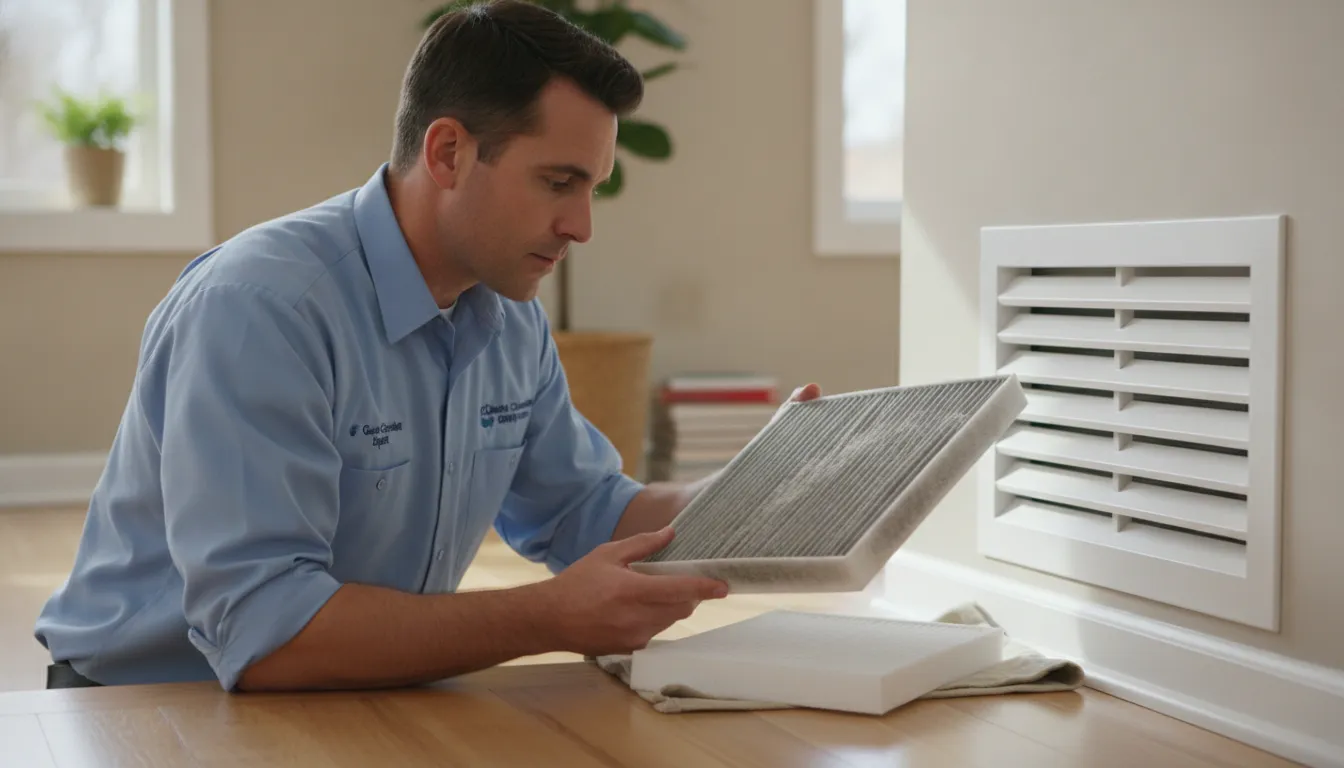
A dirty filter can stop working and block air from moving. You should check your filter once a month to see if it looks gray or dusty. Most people need a new one every three months. But, if you have pets or a large family, you might need to swap it sooner. If you live near a busy road or have pets that shed, check it more often. Dust from outside can find its way in and clog your vents fast.
If you wait too long, the dust can move past the filter and into the inner parts of your unit. This can coat the coils and make them stop working. Fixing a dirty coil is much more costly than buying a new filter. A simple check once a month can save you a lot of stress. Keep a pack of filters in your home so you are always ready to make a change. This small habit makes a big difference in how your home feels and smells.
Why does indoor humidity matter so much?
Indoor humidity plays a big role in your home comfort. It also affects the indoor air quality winston salem families need for a healthy life. Local moisture and seasonal pollen make a whole-home approach important. When the air has too much or too little water, it can lead to problems for both your house and your body. Balanced air helps you breathe easier and protects your property from damage.
How high humidity affects your home
When the air is too wet, your home can feel sticky and warm. This extra moisture often leads to mold growth on walls or in crawl spaces. There are thousands of types of mold, and they can show up in many colors. Too much water in the air also causes water drops on windows. This can rot wood frames and damage your paint over time. High moisture levels can also make your home smell musty or old.
Wet air also holds onto more dust and bad smells. Keeping your home at the right level helps you avoid these issues. A whole-home dehumidifier can pull extra water out of the air before it causes trouble. This keeps your rooms feeling fresh and stops bad smells from starting. It also helps your AC work better, which can save you money on power bills each month.
The risks of dry indoor air
Low humidity is also a problem, mainly in the cold months. When the air is too dry, it can make your skin itchy and your throat sore. It can also dry out your nose, which may lead to more colds or flu. Dry air also hurts your home by pulling moisture out of wood floors and furniture. This can cause gaps in your floorboards or cracks in your wooden chairs. You may also notice more static shocks when you walk across your rugs.
Whole-home humidifiers add just the right amount of water back into your air. This helps your home stay in the best range for your health. According to the EPA, managing moisture is a key part of keeping good air. When you add water back to the air, your throat and skin will feel better during the winter.
Balanced humidity for better health
The best goal for your home is to keep humidity between 30% and 50%. This middle ground is best for your lungs and your home. Staying in this range helps keep dust mites and mold from growing. You can use a small tool called a hygrometer to check your levels. It tells you if the air is too wet or too dry so you can make changes. It also makes the air feel more comfortable. You do not have to turn your AC or heat up as high when the air is right.
If you are not sure about your air levels, a pro can help. You can get an expert check to manage indoor air quality with the right tools. Testing can find hidden issues like mold or leaks that affect your air every day. Working with a local expert ensures your home stays safe and comfortable all year long.
Are UV lights worth adding to your HVAC system?
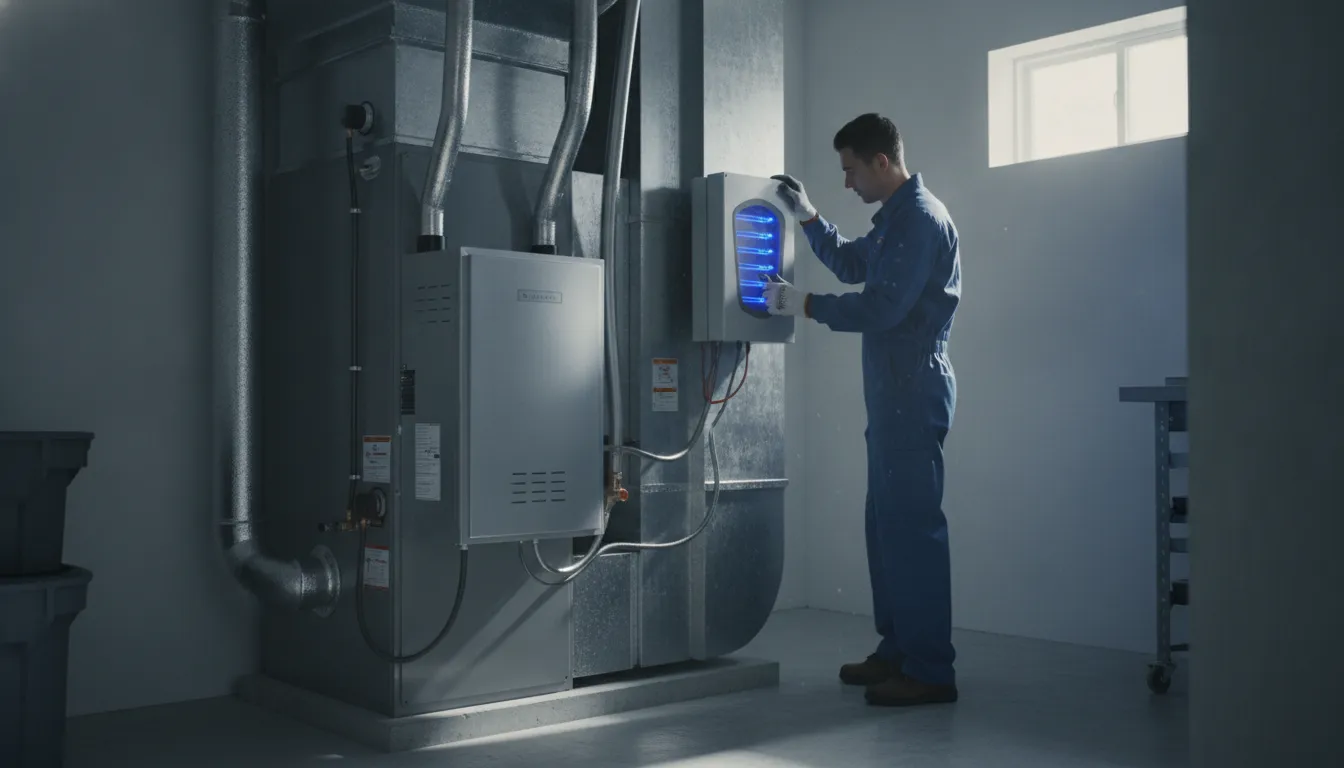
Adding UV lights to your heater or air conditioner can help you get cleaner air at home. These lights are often called germ-killing lamps. They use a special type of light called UV-C to kill mold and bacteria. Many people in our area use them to improve indoor air quality in Winston-Salem. They work well with filters to keep your system clean and your family healthy. Used with proper filtration, UV equipment can address biological growth in selected HVAC applications.
How germ-killing lights work
UV lights do not trap dust like a mesh filter does. Instead, they use light energy to stop germs from growing. When mold or bacteria pass by the light, the UV rays damage their DNA. This stops them from making you sick or spreading inside your vents. Most home filters are built to catch either tiny particles or gases. Because of this, you may need a mix of tools to clean your air well. A UV light works as the second part of this team by killing living germs.
These lights run all day to keep your air safe. They are very good at killing mold that loves to grow in dark, wet places. Since indoor air quality in Winston-Salem can change every day, having a steady way to kill germs is a big help. The lights act as a backstop for your main air filter. They catch the living germs that might slip through the mesh. This keeps the air in every room much fresher and safer for your family to breathe.
Protecting your home from mold
One of the best ways to use UV lights is to keep your AC coil clean. The coil is often wet from humidity, which makes it a perfect spot for mold to grow. If mold starts on the coil, it can blow through your whole house. A coil-mount light shines right on the metal to stop mold before it starts. This helps your system run better and helps it last longer. It also means you will breathe fewer spores every day. Mold can come in many colors, and thousands of species exist that can harm your home air.
You can also use lights that shine into the air as it moves through your ducts. These are called air-stream lights. They are great for killing germs that are already floating in your home. This is helpful if you have pets or if people in your house have bad allergies. Using these lights along with filters for better air quality can make a big change in how you feel. We often suggest whole-house systems like the Halo air purifier to give you the best safety you can get.
Upkeep and expert setup
UV lights are not a tool you can just set and forget. The bulbs will lose their power over time even if they still look bright. You should plan to replace the bulbs about once a year to keep them strong. If the light gets dim, it will not kill germs as well as it should. You also need to keep the bulbs clean. Dust on the glass can block the UV rays from reaching the air. A quick wipe during your yearly HVAC check is often enough to keep things working.
Talk to a pro before you buy a system for your home. Some lights are much stronger than others. You want a light that fits your duct size and how fast your air moves. A light that is too weak will not have enough time to kill germs as they zip past. Our team can help you find the best spot for your light. We make sure it is safe and works well with your current setup. Joining our Comfort Club is a great way to stay on top of these small but key tasks.
A practical indoor air quality improvement plan
Improving the air in your house takes a clear path. A clear plan helps you address sources instead of buying equipment at random.
In Winston-Salem, local factors like seasonal pollen and high humidity can change how your home feels. A solid plan helps you find and fix issues before they grow into big problems. By taking small steps now, you can make your living space much safer and more cozy.
Find the source of air issues
Start by looking for signs of poor air. Does a room smell musty when you enter? Do you notice more dust on your tables than usual? Finding these clues is the first step to better health.
You can manage indoor air quality by checking your vents and filters often. If you find spots of mold or wet areas, you should act fast to stop the spread of spores. Expert tests are also a great way to find hidden risks that you cannot see with your eyes alone.
- Check your home for dust and mold. Testing can find hidden risks like spores or high humidity in your crawl space or attic.
- Stop pollution at the source. The best way to improve air is to remove or reduce things like smoke, old chemicals, or pet dander.
- Keep humidity between 30% and 50%. This range stops mold growth and keeps your skin and wood floors from getting too dry or warped.
- Fix leaks in your ducts and walls. Small gaps let dirty air from outside or your crawl space into the rooms where you sleep.
- Use high-quality filters in your system. Better filters catch small bits of dust and pollen that standard ones might miss as air moves.
- Set up air cleaners or UV lights. These tools can kill germs and catch very tiny bits of dirt that cause health issues for some people.
- Keep up with regular service for your unit. Changing your filters and cleaning your ducts helps keep the air fresh for your whole family.
Maintain your HVAC for better air
Once you have a plan, you must stick to it to keep the air fresh. Dirty coils or clogged filters make your HVAC work too hard. This helps you maintain good indoor air quality winston salem and lowers your power bills every month.
You should check your filters for better air quality at least once a month. If they look gray or fuzzy, it is time to swap them for new ones. Regular check-ups help your system run well and catch small leaks before they waste too much energy.
Get help from local experts
Sometimes the fixes for your air are too big for a quick DIY job. Deep cleaning your ducts or adding whole-house purifiers needs expert tools and training. Local pros know how the North Carolina weather affects your vents and air flow throughout the year.
They can check your ductwork for leaks and help you pick the right air add-ons for your house size. This ensures that every room gets the clean air it needs. Using a pro also gives you peace of mind that the job is done right the first time.
When should you call an indoor air quality professional?
Since most people spend about 90% of their time indoors, the air in your home is vital to your health. This fact comes from the Environmental Protection Agency. While you can change a filter on your own, some problems need a pro. If you notice a musty smell or see dust build up fast, it is time to look deeper. Checking your indoor air quality Winston-Salem needs can help you find and fix the root cause of these issues.
Signs your home needs an air check
Many folks first notice a problem through their senses. You might smell old food or damp earth even after you clean the house. You may also see more dust on your tables just days after you wipe them. These signs often point to poor airflow or a leak in your ducts. A pro can check your system for blocks that trap dirt and spread it. They can also look for mold, which can hide in dark spots where you cannot see it.
Your health is another key sign of a problem. If you feel better when you are away but get a stuffy nose or itchy eyes at home, your air may be the cause. This is common for people with allergies. In these cases, you might want to look at indoor air quality solutions that go beyond a basic filter. A pro can test for pollen, pet hair, and other small bits that stay in the air.
When basic steps are not enough
Most experts say that removing the source of dirt is the best way to clean your air. But some sources are hard to stop. For example, if your home stays too damp, mold can grow fast. We suggest keeping your indoor humidity between 30% and 50% to stay safe. If you cannot hit this goal with a small machine, you may need a whole-house system. A pro can set up a dehumidifier that works with your HVAC to keep the air dry.
You should also call for help if your air feels heavy or stale. This often happens in newer homes that are sealed tight to save power. While this saves money on bills, it can also trap gases and smells inside. An HVAC team can set up a system to bring in fresh outdoor air. This helps to flush out bits of dirt or chemicals from new rugs and paint. It keeps your home feeling fresh and clean all day long.
What a pro visit covers
A pro visit starts with a full check of your HVAC unit and your ductwork. They will look for gaps where dirty air from your attic might get in. They can also use tools to test for certain bits in the air. This test shows just what you are breathing. Once they have the facts, they can suggest the best fix for your needs. This might include a HEPA filter or a UV light system to kill germs and keep you safe.
To keep your air clean all year, you can join a program like our Comfort Club membership. This ensures your filters are changed on time and your system stays clean. Regular care stops dirt from building up in the first place. By taking these steps now, you can make your home a safer place to live for your whole family. You will have peace of mind knowing your air is clean and healthy.
Request an indoor air quality consultation before choosing new filtration or humidity equipment.
Frequently Asked Questions
How often should I change air filters to maintain indoor air quality?
You should check your air filters every month to keep the air fresh. If the filter looks gray or full of dust, replace it right away. Most homes in Winston-Salem need a new filter every 30 to 90 days. Changing these filters helps your system trap tiny bits of dirt and pollen. This simple step keeps your HVAC unit running well and lowers your monthly power bills by helping air move with ease.
What does indoor air quality testing include in Winston-Salem?
An expert test finds hidden risks that you cannot see with your eyes. Experts look for mold spores, pollen, and pet dander that float in your rooms. According to Green Home Solutions, these tests also find issues with indoor dampness. The process includes checking your vents and crawl space for leaks. This data helps you pick the right tools, like UV lights or air cleaners, to fix your home air problems fast.
Can humidity control help improve indoor air quality?
Yes, managing moisture is a key way to stop mold growth. In our local area, damp air can make it easy for spores to spread through your house. You should aim to keep your indoor humidity between 30% and 50% for the best health and comfort. Keeping these levels steady protects your wood floors and stops your skin from getting dry. Special tools like whole-house systems can help maintain this safe range all year long.
What common pollutants affect indoor air quality in Winston-Salem homes?
Many things can harm your home air. Common issues include dust, mold, and pollen that seeps in from outside. Daily tasks like cooking or cleaning also release gases and small bits of dirt. Using high-quality filters and air purifiers helps catch these bits and keeps your living space safe for your family.
Ready to breathe clean air in Winston-Salem?
Poor air can make you feel sick and tired every day, so you should act now before dust and dirt keep building up in vents. This can lead to mold growth and more health risks for your house while causing higher power bills if your system works too hard. Setting up a pro check today means you can stop fearing what you breathe and find the best way to clean your air fast. Our local team is ready to help you improve your living space and ensure that every room stays safe and clear for your loved ones. You will enjoy a fresh home and total peace of mind for your whole family once the job is fully done this week.
Ready to schedule service? Call (336) 281-5144 or contact QRC online to request help.