


Winter comfort in Bermuda Run depends on more than turning up the thermostat when the first cold night arrives. A furnace or heat pump may appear to run normally while airflow, controls, electrical components, or visible wear are already creating a developing problem.
For homeowners comparing HVAC service Bermuda Run NC options before winter, a practical seasonal visit should evaluate the equipment’s heating operation, airflow, controls, accessible components, and visible condition. The scope should match the system, whether it is a furnace or heat pump. And the findings should guide repair, monitoring, or replacement discussions without promising that maintenance can prevent every breakdown.
That preparation is especially useful for homes near Bermuda Run, Advance, Tanglewood, and throughout the Piedmont Triad, where homeowners may need to make decisions before an urgent no-heat call. Start by understanding what a qualified pre-winter evaluation should cover and which tasks are safe to handle at home.
What Does HVAC Service Bermuda Run NC Include Before Winter?
Before winter, residential HVAC service in Bermuda Run should do more than turn the thermostat up and confirm that warm air comes from the vents. A useful evaluation reviews the heating equipment, airflow, controls, accessible electrical components, visible wear, and any symptoms that could affect comfort or reliability. The scope depends on whether the home uses a furnace or heat pump, as well as the system’s condition and service history.
For a furnace, the appointment may focus on startup and heating operation, thermostat communication, filter condition, airflow, accessible wiring and controls, and signs of unusual wear. A technician can also discuss symptoms such as uneven room temperatures, repeated cycling, delayed ignition, or a new odor. Gas, electrical, and internal combustion-related work should be left to a qualified professional. Homeowners can describe what they have noticed, but should not remove safety panels or attempt repairs.
Heat pumps need a somewhat different review because the outdoor unit remains part of the heating system. Pre-winter service can include checking the outdoor equipment’s condition, airflow, controls, heating performance, and signs that the system is struggling in either heating or cooling mode. The ENERGY STAR heating and cooling guidance also supports paying attention to system care and performance rather than treating the thermostat setting as the whole diagnosis.
What to prepare before the appointment
- Write down when the symptom occurs, such as during startup, overnight, or when the system runs for a long period.
- Replace the filter if your equipment instructions allow you to do so, and note when it was last changed.
- Make sure supply registers and return grilles are not blocked by furniture, rugs, or stored items.
- Keep leaves, furniture, and other obstructions away from an outdoor heat-pump unit without spraying or opening the equipment.
- Ask whether the system needs repair, continued observation, or a longer-term replacement discussion based on its age, condition, and repair history.
This is why a pre-winter visit should be treated as a decision point, not an automatic promise that the system will operate without a breakdown. If you need residential heating help, review the service options through QRC HVAC & Refrigeration’s heating service page and bring your observations to the appointment.
Why Should Bermuda Run Homeowners Schedule Heating Service Early?
Scheduling heating service before the first sustained cold weather gives a technician time to evaluate operation, airflow, controls, and visible wear while your household still has options. It cannot guarantee that a furnace or heat pump will not fail, but it can help identify concerns before they become a no-heat emergency.
In Bermuda Run and the Advance area, a mild fall afternoon can make heating seem unimportant. Temperatures can change quickly, though, and the first cold stretch is a poor time to discover that a system is short-cycling. Struggling to reach the thermostat setting, or producing uneven heat. Planning ahead also gives you time to describe symptoms accurately instead of making a rushed decision when the house is already uncomfortable.
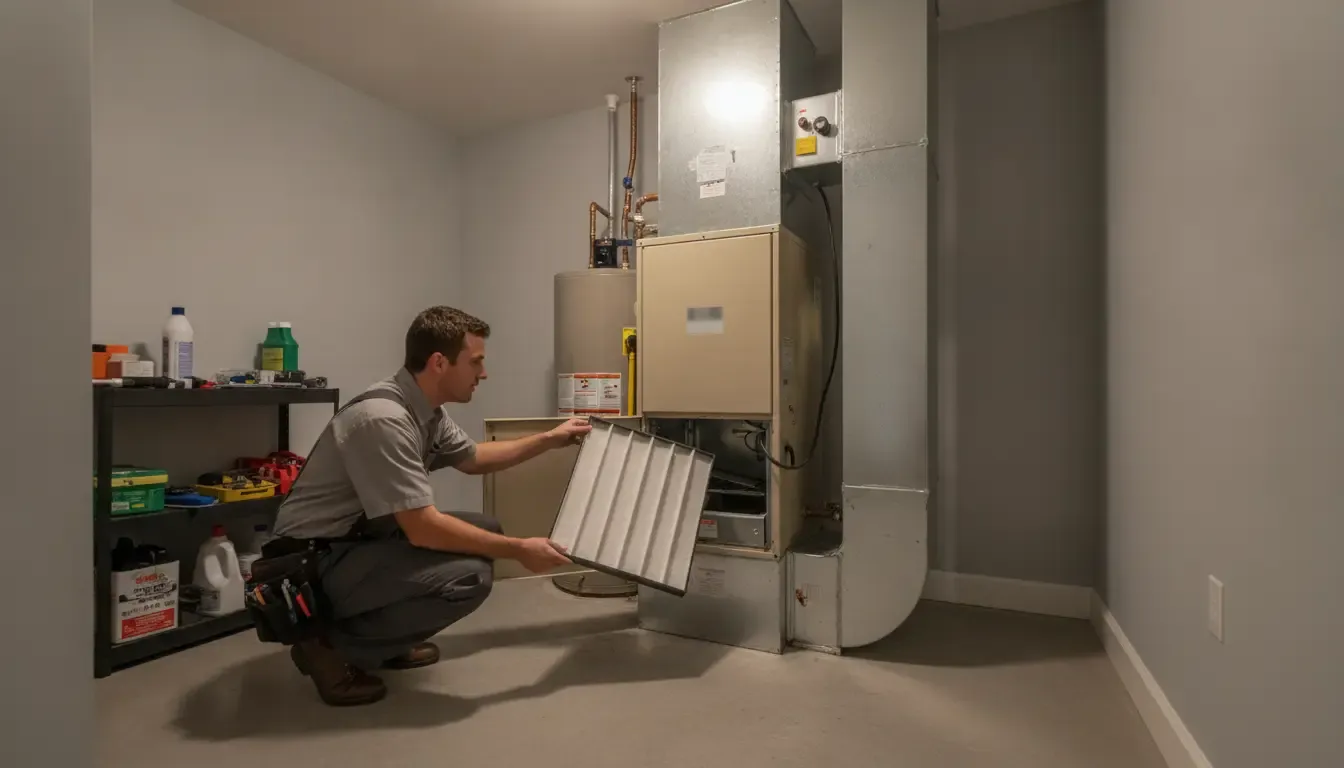
What early scheduling gives you time to do
- Describe changes in performance: Note weak airflow, uneven room temperatures, unusual cycling, new sounds, or trouble reaching the setpoint.
- Check basic household conditions: Replace the filter if your equipment instructions allow it, keep supply and return grilles open. And make sure outdoor heat-pump equipment is not blocked by leaves or other debris.
- Discuss the equipment’s condition: A technician can evaluate the appropriate scope for a furnace or heat pump, including accessible components, controls, airflow, and visible signs of wear.
- Consider repair options calmly: If a system needs attention, an earlier appointment may leave more time to compare repair and replacement considerations based on condition, repair history, comfort, and safety findings.
Homeowners should not open gas, electrical, refrigerant, or internal equipment compartments. If you notice smoke, equipment damage, or a persistent burning odor, turn the system off when it is safe to do so and request qualified help. For a residential heating evaluation in the Bermuda Run area, review QRC HVAC & Refrigeration’s heating service options and confirm availability for your address.
What Does a Pre-Winter Furnace Inspection Check?
A pre-winter furnace inspection checks whether the system can operate safely and deliver heat reliably. A technician reviews airflow, controls, accessible electrical components, combustion-related parts, visible wear, and signs of damage, then explains what needs attention before colder weather.
The exact inspection depends on the equipment in your home. A gas furnace, electric furnace, and heat pump do not have identical service needs. The technician should identify the system type and follow the applicable manufacturer guidance rather than treating every home as if it has the same checklist.
What a technician typically reviews
- Operation and heating performance: The system is run through a heating cycle to look for unusual cycling, weak airflow, delayed ignition, trouble reaching the thermostat setting, or uneven heat.
- Airflow: The filter, blower area, supply and return paths, grilles, and accessible duct connections are checked for restrictions, buildup, leaks, or other conditions that can limit delivered heat.
- Controls and safety devices: The thermostat, wiring, safety controls, and accessible terminals are evaluated for proper operation and visible wear. Loose or damaged connections require professional attention.
- Combustion and venting: On a fuel-burning furnace, the technician examines the burner area, heat exchanger access points, flue or venting condition, and other combustion-related components within the scope of the service. This helps identify conditions that may create a safety concern.
- Visible condition: Water damage, corrosion, soot, unusual discoloration, damaged insulation, and other signs of deterioration are documented so repair or replacement decisions are based on evidence.
Homeowners can prepare by noting noises, odors, short cycling, cold rooms, or changes in comfort. You may replace a filter if your equipment instructions allow it, keep supply and return grilles clear, and make sure the area around the furnace is accessible. Do not remove combustion components, test gas connections, open electrical panels, alter wiring, or attempt to adjust burners yourself. Turn off the system and seek qualified help if you smell gas, see smoke, or notice a strong persistent burning odor. For a seasonal evaluation, QRC HVAC & Refrigeration provides residential heating service through its heating service team.
An inspection can reveal concerns before a no-heat call, but it cannot guarantee that a furnace will never break down. The useful outcome is a clear record of current condition, safety findings, recommended repairs, and whether the system remains a sensible fit for the home.
How Is Heat Pump Service Different Before Winter?
Heat pump service before winter should review the outdoor unit, indoor airflow, thermostat controls, heating performance, and any symptoms that appear in either heating or cooling mode. Because a heat pump supports both seasons, the technician should evaluate the system as a connected whole rather than treating a winter comfort complaint as a furnace problem.
A heat pump moves heat between the home and outdoors. That makes the outdoor unit part of the heating conversation, even when the homeowner notices the problem inside. Leaves, landscaping, ice, restricted airflow, control problems, duct issues, and equipment wear can all affect comfort. A technician can determine which conditions are actually present instead of assuming that every performance change has the same cause.
What to discuss during a heat pump visit
- Heating performance: Explain whether the system reaches the thermostat setting, runs for unusually long periods, or leaves some rooms colder than others.
- Outdoor equipment: Mention unusual noise, visible damage, crowded clearance, or changes in how the unit operates. Keep the area reasonably clear, but do not open the cabinet or attempt refrigerant work.
- Airflow and controls: Share filter changes, weak registers, thermostat behavior, and any recent changes to the home or ductwork.
- Both operating modes: A cooling complaint from late summer may help explain a heating concern in fall. Tell the technician about symptoms from either season.
Homeowners should not remove panels, adjust electrical components, handle refrigerant, or attempt to force a defrost or changeover sequence. Those tasks require appropriate training and equipment. For general heating and cooling information, the ENERGY STAR heating and cooling guidance also emphasizes maintenance and professional attention to system performance.
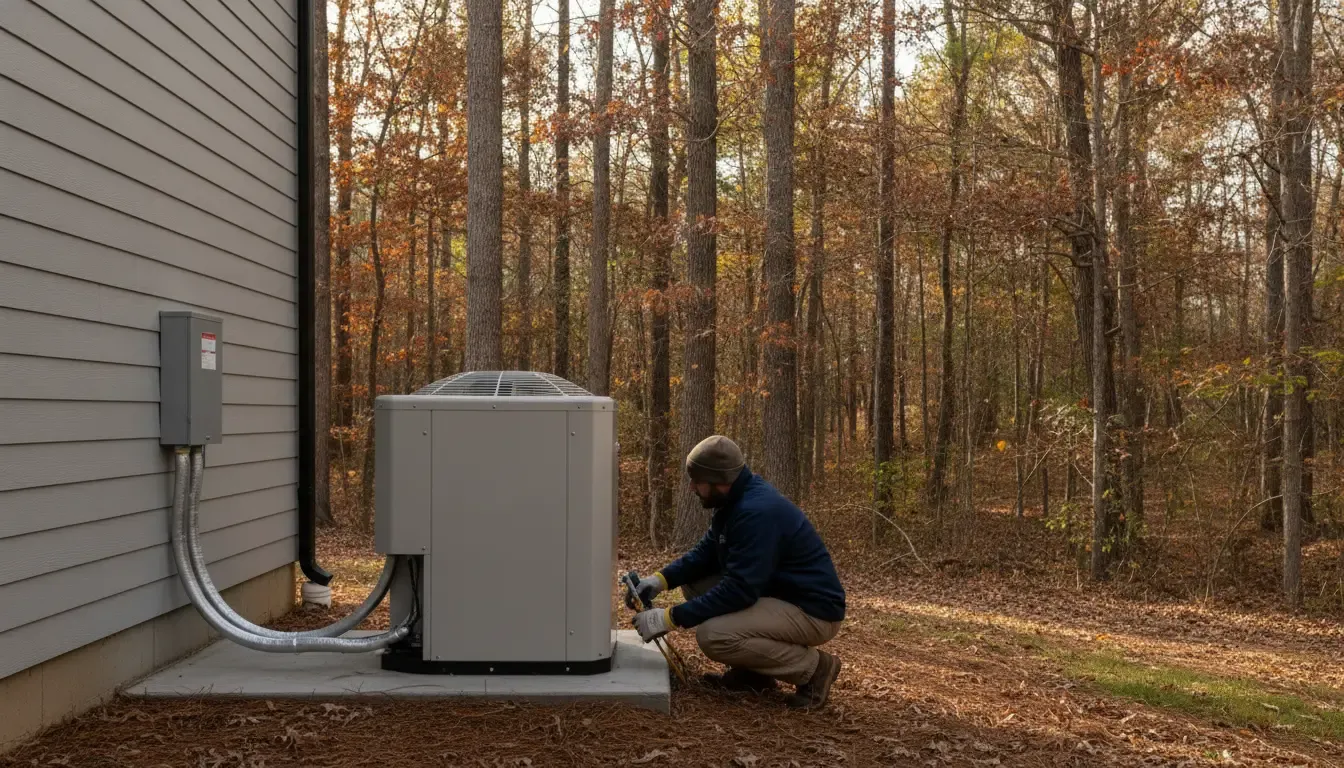
A pre-winter heat pump evaluation cannot promise that a system will not fail. Its value is clearer: it can document current operation, identify a supported repair need, and help the homeowner decide what to monitor before colder weather arrives.
Which Warning Signs Mean You Need HVAC Service Now?
Request HVAC service promptly when a furnace or heat pump produces weak or uneven heat or cycles unusually. Also give us a call if it makes a new or worsening sound, struggles to reach the thermostat setting, shows visible water or equipment damage, or develops a persistent burning odor. Smoke, a suspected gas problem, or an electrical burning smell is an urgent safety concern, not a routine maintenance question.
Some equipment problems begin as small changes in comfort. A bedroom may feel colder than the rest of the house, the blower may sound different, or the system may run longer than it did last season. These symptoms do not identify a cause by themselves, but they are useful information for a technician. Write down when the problem occurs, which rooms are affected, what the thermostat displays, and whether it appears in heating, cooling, or both modes.
Common reasons to request an evaluation
- Warm air feels weaker than usual at the supply registers.
- Some rooms remain cold while other areas are comfortable.
- The system starts and stops more often than it normally does.
- The blower, outdoor unit, or ductwork develops a new noise or vibration.
- The equipment runs for a long period without reaching the setpoint.
- A filter, drain area, thermostat, or accessible equipment area shows a visible concern.
- Water appears near equipment or a heat pump’s outdoor operation changes noticeably.
A warning sign does not automatically mean the system needs replacement. Diagnosis should come first. The appropriate next step may be a maintenance correction, a targeted repair, additional monitoring, or a replacement discussion based on the equipment’s condition and the home’s comfort needs.
If you smell gas, see smoke, notice an electrical burning odor, or suspect an unsafe condition. Leave the area if needed, follow your household safety procedures, and seek qualified help. Do not open a furnace cabinet or attempt to troubleshoot live electrical or combustion components. For non-emergency residential heating questions in Bermuda Run, use QRC HVAC & Refrigeration’s heating service page as the appropriate starting point.
Should You Repair or Replace a Bermuda Run Heating System?
Repair is usually the first question when a heating system has one identifiable, manageable problem. Replacement deserves closer consideration when failures keep returning, comfort remains uneven after service, safety concerns appear, or the equipment no longer fits the home’s needs. A qualified evaluation can separate a correctable fault from a larger condition without forcing a homeowner into a rushed decision.
For homeowners comparing residential heating and cooling options, the goal is not to choose based on one symptom alone. Look at the system’s condition, operating history, comfort, and safety findings together.
Questions to guide a heating repair or replacement decision
| Factor | Questions to ask | What it may indicate |
|---|---|---|
| Nature of the problem | Is the issue isolated and clearly diagnosable, or are several components showing trouble? | A single correctable fault may support repair. Multiple related faults call for a broader condition assessment. |
| Repair history | Has the system needed repeated service, or is this an unusual event? | A pattern of recurring failures may make replacement planning more practical than repeated emergency decisions. |
| Comfort and operation | Does the system reach the thermostat setting and heat rooms consistently? | Persistent weak or uneven heat can point to equipment, airflow, controls, or ductwork concerns that need diagnosis. |
| Safety and visible condition | Did the technician find unsafe operation, damaged equipment, moisture, or concerning wear? | Safety findings should take priority over convenience. Do not keep operating equipment that produces smoke or a persistent burning odor. |
| Home and system fit | Has the home’s layout, insulation, occupancy, or comfort needs changed? | A system that no longer suits the home may warrant replacement planning, even if it can still be repaired. |
Ask the technician to explain the diagnosis, the affected components, and the practical options in plain language. If repair is appropriate, confirm what problem it addresses and what symptoms should prompt a return visit. If replacement is discussed, request an evaluation of system sizing, distribution, controls, and the home’s comfort needs rather than treating the equipment alone as the decision.
This framework helps keep HVAC service Bermuda Run NC decisions grounded in evidence. It also leaves room for a phased plan: address an immediate safety or comfort issue. Document the system’s condition, and plan future work when the homeowner has reliable information.
Request residential heating service in Bermuda Run before winter and call (336) 281-5144.
Frequently Asked Questions
How early should I schedule a winter heating inspection?
Schedule before you rely on the system every day, especially if you noticed weak airflow, unusual cycling, new noises, or difficulty reaching the thermostat setting. An early inspection gives a technician time to evaluate operation, airflow, controls, and visible wear before a no-heat problem becomes urgent.
Can I prepare my furnace or heat pump myself?
Yes. Record unusual symptoms, replace the filter if your equipment instructions permit it. Keep supply and return grilles open, and remove leaves or other debris around an outdoor heat pump. Leave gas, electrical, refrigerant, and internal equipment work to a qualified technician.
How is a heat pump check different from a furnace inspection?
A heat pump check includes the outdoor unit, airflow, controls, and heating performance, while also considering how the system behaves in cooling mode. A furnace inspection focuses more on the heating operation and related safety and control components. The correct scope depends on the equipment installed in your home.
Does seasonal maintenance prevent every heating breakdown?
No. Seasonal service can identify some developing concerns and help you plan repairs, but it cannot guarantee that equipment will not fail. Maintenance is most useful when combined with prompt attention to warning signs such as smoke, persistent burning odor, water damage, or repeated cycling.
Should an older heating system always be replaced?
No. Age alone does not decide the best option. A practical evaluation considers the system’s condition, repair history, comfort performance, safety findings, and whether the equipment remains a suitable fit for the home. That information supports a clearer repair or replacement decision.
Schedule Your Bermuda Run Heating Evaluation
A pre-winter heating evaluation can give you a clearer view of your system’s condition, airflow, controls, and visible wear before colder weather settles in. If you have noticed uneven heat, unusual cycling, or a system that struggles to reach the thermostat setting, schedule residential heating service with QRC HVAC & Refrigeration. Schedule your heating evaluation or call (336) 281-5144 to talk with our team.