Commercial HVAC affects more than the temperature in a building. Equipment operation can shape comfort, daily schedules, and the way a business uses its space. When you are evaluating commercial HVAC service, begin with the facility’s actual needs: which areas are affected, what has changed, what equipment serves them, and how the issue affects operations. That information helps you describe the problem clearly and compare practical next steps instead of guessing at a cause.
Request commercial HVAC guidance — call (336) 281-5144
What does commercial HVAC service include?
Commercial buildings do not all use the same equipment or operate in the same way. A shop may have a different schedule and layout from an office, restaurant, or educational facility. The number of occupied hours, the rooms served by each system, and the way the space is used all help shape what a useful service discussion should cover.
Commercial HVAC service can involve investigating a performance concern, discussing a repair, reviewing equipment for maintenance needs, or planning a replacement project. A facility may also rely on commercial refrigeration as well as heating and cooling. We provide commercial HVAC and commercial refrigeration service, with commercial work available statewide in North Carolina. Our commercial services page gives an overview of these areas.
Those categories are a starting point, not a diagnosis. For example, a room that feels warm does not by itself prove that a particular part has failed. The source could involve equipment, controls, airflow, how the space is being used, or more than one factor. A qualified assessment should connect reported conditions with the equipment and findings before a repair or replacement decision is made.
How can you define the facility’s need before requesting help?
Write a short description of the issue from the point of view of the people using the space. Separate what you observed from what you think might be causing it. “The conference room has been warmer than usual after lunch for three days” is more useful than “the unit is broken,” because it gives a pattern without assuming a failed component.
Use these prompts to organize what you know:
- Location: Name the affected room, floor, zone, or equipment area. Note whether nearby spaces have the same condition.
- Timing: Record when it began and whether it happens at certain hours, days, or points in the operating schedule.
- Pattern: Describe whether the condition is constant, intermittent, or linked to a recent change in occupancy or building use.
- Equipment behavior: Note whether equipment appears to start, stop, or run differently than usual. Do not open panels or attempt a repair to gather this information.
- Operational effect: Explain whether the issue affects staff, customers, scheduled activities, product storage, or a particular business process.
- Safety concern: Report unusual odors, smoke, visible damage, or another condition that may require immediate attention. Follow your facility’s safety procedures and keep people away from a suspected hazard.
A simple log helps reveal whether separate complaints share a pattern. Ask the person reporting an issue to include the date, time, area, and what they noticed. If several people describe different rooms, keep their observations separate rather than merging them into a broad statement that the whole building is uncomfortable. The details may help frame what should be inspected.
What information should you have ready?
You do not need a perfect equipment file before making an inquiry. Gather what is easy and safe to access, and do not delay urgent attention to search for a record. A concise, accurate summary is more useful than a long list of guesses.
- Identify the site and contact. Provide the facility location and the name or role of the person who can coordinate access.
- Describe the equipment area. Say whether the system is on the roof, in a mechanical room, or elsewhere, and which building area it serves if known.
- Share equipment details you can see safely. If a model or serial label is accessible without entering a restricted area or removing a panel, record it. A clear photo of an accessible label may help, but it is not essential.
- Explain the symptom and timeline. Include the affected rooms, when the issue began, and whether it comes and goes.
- Describe operating conditions. Share the normal hours, occupancy pattern, and any recent changes to the schedule or use of the space.
- Note constraints. Explain access rules, security requirements, operating windows, and areas that need special coordination.
- Summarize relevant history. If you have service records or know of recurring issues, describe the pattern without assuming that the current issue has the same cause.
For a facility with both climate-control equipment and refrigeration, identify each system separately and explain its role. If the question concerns refrigerated commercial equipment, see our commercial refrigeration information. For a refrigeration sales or installation discussion, our commercial refrigeration sales page provides a more focused starting point.
How should you compare commercial HVAC service options?
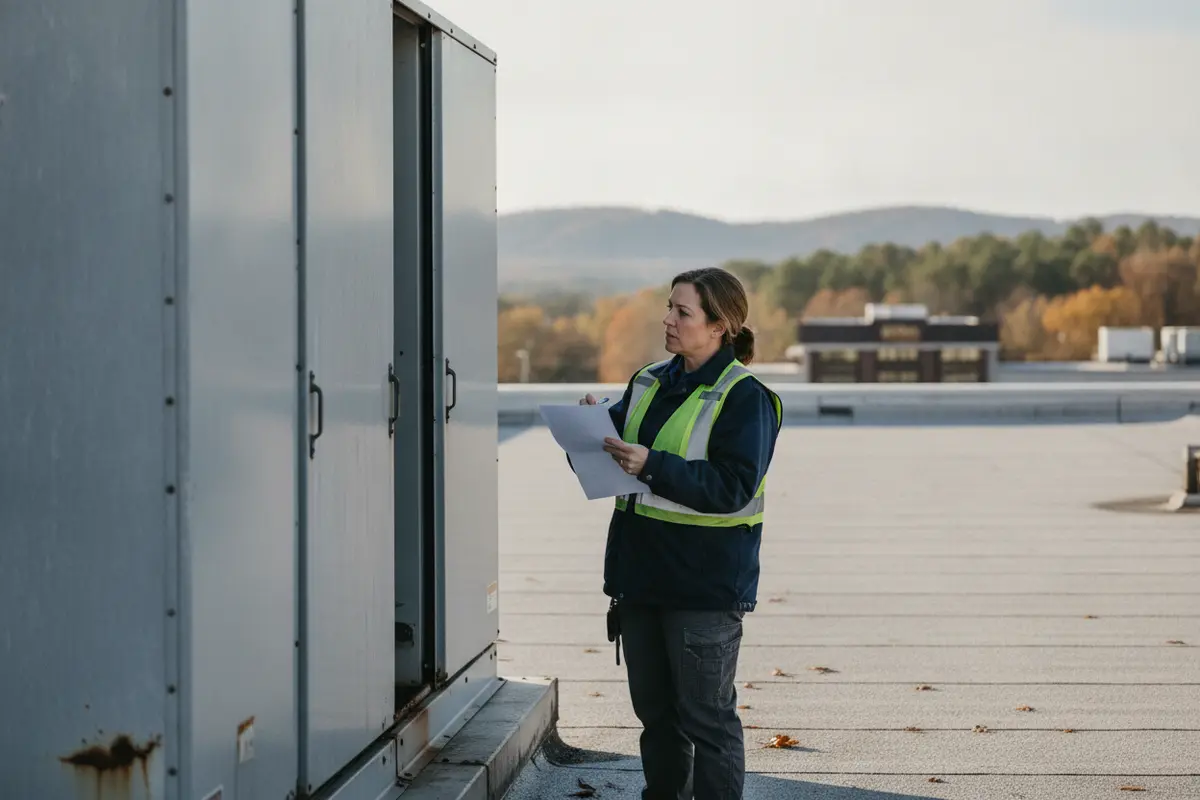
Compare the proposed scope and the questions it answers, not just a short label such as “service” or “maintenance.” Ask what the visit is intended to address, which equipment or areas are included, what information or access is needed, and how findings and recommended next steps will be explained. If the work is intended to address a specific complaint, make sure the concern and affected area are part of the discussion.
| Facility need | Useful starting information | What to clarify |
|---|---|---|
| Unexpected loss of heating or cooling | Symptoms, affected areas, start time, and operational impact | Access, priority areas, operating schedule, and safety constraints |
| Recurring comfort concerns | A log of where and when conditions occur | Whether the pattern follows occupancy, time of day, or schedule changes |
| Routine upkeep planning | Equipment list, served areas, and known service history | Which systems and tasks the proposed maintenance scope includes |
| Replacement planning | Existing equipment details and the facility’s operating requirements | Project scope, assumptions, timing, and how options relate to building needs |
| HVAC and refrigeration needs | A separate description of each system and its business role | Which equipment needs attention and whether work must be coordinated |
For instance, suppose an office reports that two rooms are uncomfortable during afternoon meetings, while the rest of the building feels normal. A useful inquiry would identify those rooms, meeting times, typical occupancy, and whether the pattern is new. The service discussion can then focus on the relevant spaces and system information. It would be premature to request a particular part or promise a particular fix based only on the symptom.
For another example, a business that has a heating and cooling concern plus a separate refrigerated storage concern should not describe both as one generic “HVAC problem.” Record which system serves each need, the impact if it is unavailable, and any operating constraints. We can discuss commercial HVAC and refrigeration service together, while a clear description helps keep the two concerns distinct.
Where technical standards or building-system guidance are relevant to project planning, use recognized resources rather than informal assumptions. ASHRAE is a professional society for heating, refrigeration, and air-conditioning professionals and provides technical resources and standards for the field. A general reference does not replace an assessment of a particular building, its equipment, or applicable project requirements.
What belongs in a useful maintenance plan?
A practical maintenance plan reflects the equipment, the way the building operates, and the needs of the people responsible for the site. A generic checklist alone cannot account for every facility. Start with a current inventory, a clear record of service and follow-up items, and a process for reporting changes in performance.
- Keep an equipment inventory. Record major equipment, its location, and the areas it serves. Update the list when equipment or building use changes.
- Keep service records together. Note dates, the equipment discussed, reported concerns, findings shared, and any follow-up that remains. This makes recurring patterns easier to recognize.
- Assign a reporting contact. Tell staff who should receive comfort or performance reports and what details to include. A consistent process prevents an important observation from being lost between shifts.
- Plan access. Keep equipment locations accessible to authorized personnel and communicate site rules, security procedures, and work-hour constraints in advance.
- Review changes in use. Revisit system needs when hours, occupancy, room use, or business operations change. A space used differently may need a fresh discussion about how the existing system is serving it.
- Track open items. Record recommendations that require a decision, additional information, or a future discussion. Identify who will follow up and when the item should be reviewed.
Maintenance planning is also a communication task. A site contact may know the equipment history, while staff know when a room becomes uncomfortable. Bringing those observations together can make conversations more specific. It does not mean facility staff should open equipment, bypass controls, or attempt a repair. Leave equipment work to qualified personnel and follow the site’s safety procedures.
If you are comparing proposed maintenance scopes, ask for a plain-language description of what is included, which equipment is covered, how access will be coordinated, and how findings or next steps will be communicated. Avoid assuming that two plans with similar names cover the same work. Keep the written scope with the facility records so future decision-makers can understand what was considered.
How can you prepare for a repair or replacement discussion?
Start with the business outcome you need. You may be trying to address an active problem, understand repeated comfort complaints, or plan a future equipment project. State that priority first, then share the constraints that could affect the work: operating hours, access windows, spaces that need to remain available, or dates when disruption would be difficult.
For a repair discussion, describe the observed condition and its history. If a symptom returned after earlier work, explain when it returned and whether anything changed. Avoid assuming that a previous issue and the current one have the same cause. Ask what information is needed to assess the current concern and what findings will inform the next decision.
For replacement planning, share the equipment information you have, the spaces served, and how the building is used. Ask how a recommendation relates to those needs and what assumptions it depends on. A proposal is easier to evaluate when the scope, equipment served, project timing, and decision points are written clearly. If more than one option is discussed, compare them against the same facility requirements rather than relying on labels alone.
Questions that can help keep the conversation concrete include:
- Which reported conditions or equipment are included in this scope?
- What access, records, or operating information should we provide before work is planned?
- How will the proposed work relate to the facility’s schedule and areas of operation?
- What findings would change the recommended next step?
- Which items are included now, and which would require a separate decision?
- How will unresolved questions or follow-up recommendations be documented?
These questions help the decision-maker understand scope without steering the discussion toward a predetermined solution. If a proposal does not make clear which areas or equipment it addresses, ask for that clarification before comparing options. For broader company information, visit our QRC HVAC and Refrigeration home page.
What should North Carolina businesses consider as seasons change?
As outdoor conditions shift, observe how the facility responds during its normal operating hours. Note whether comfort concerns appear in specific rooms, at certain times, or after a change in occupancy. Before a busier season, make sure staff know how to report a change and that access routes to equipment are not obstructed by stored materials.
For buildings with multiple zones, do not rely on a single thermostat reading or one person’s report to describe the entire facility. Gather observations from the affected areas and note when they were made. If the building changes between occupied and unoccupied periods, include that schedule in the discussion. It can help distinguish a persistent concern from a pattern that occurs under specific operating conditions.
Commercial work is available statewide in North Carolina. A facility’s location, access needs, equipment, and operating schedule are all useful details to include when arranging a discussion. For a question about a current commercial HVAC concern, use our contact page and provide a concise description of the facility and the issue.
How can you make a service inquiry more useful?
Before reaching out, bring your notes together into a short summary. For example: “The second-floor training room has felt warmer than usual during afternoon sessions this week. The adjacent offices seem normal. The building is occupied from 8 a.m. to 6 p.m.; access to the roof requires an escort. We do not know the equipment model.” This communicates what is known, what is not known, and how work would need to be coordinated.
That summary is more actionable than a broad statement such as “the HVAC is not working,” but it does not try to diagnose the system. Keep the distinction clear. Record observed facts, mention uncertainty openly, and let the assessment determine what may be causing the condition. If a concern affects a sensitive business operation, say so directly and explain the operational impact without overstating what is happening.
We also recommend keeping one point of contact responsible for sharing access instructions and gathering follow-up information. That person can provide a consistent account if the inquiry involves several rooms or systems. If different staff members report separate symptoms, preserve their locations and timelines rather than combining them into a single claim that may hide useful detail.
What simple process helps teams make a clear next-step decision?
When several people share responsibility for a building, the HVAC concern can get repeated in different ways. A short, shared record makes it easier to keep the original observation, any assessment, and the decision connected. It also reduces the risk that a later conversation starts with an incorrect assumption about what was already checked.
- Write the initial observation. Record the date, time, affected area, and what the person experienced. Use plain language and avoid naming a failed part unless that has been confirmed.
- Collect context from the site. Add operating hours, occupancy changes, access requirements, and any related concerns reported elsewhere in the building.
- State the immediate business priority. Clarify whether the main need is to restore a particular space, understand a repeating pattern, plan maintenance, or evaluate a future project. If two needs differ, list them separately.
- Capture what the service discussion establishes. Note which equipment or spaces were considered, the findings shared, what remains uncertain, and whether more information is needed.
- Assign follow-up. Identify the person who will provide requested records, make a decision, coordinate access, or report whether the condition changes.
Consider a small retail space where staff report that one area is uncomfortable near opening time, while the rest of the business is usable. The site contact can record the opening schedule, the exact area, the days it happened, and whether the condition continues after the doors open. If the next step involves a service discussion, those observations help explain the pattern. Afterward, the contact can record what was evaluated and any follow-up questions instead of telling staff that a cause has been confirmed when it has not.
This process is useful for both routine planning and a current concern. It does not replace an equipment assessment, but it gives managers a consistent way to communicate facts and decisions. Keep the record concise enough that staff will update it, and store it where the people coordinating the facility can find it.
Discuss your commercial HVAC needs with us — call (336) 281-5144
Frequently Asked Questions
What information should I provide when requesting commercial HVAC service?
Share the facility location, affected areas, when the concern began, how it affects operations, the building’s normal schedule, and any relevant access or safety requirements. Equipment details and service history are helpful when readily available, but do not delay an urgent inquiry to assemble a complete file.
Can one service inquiry cover commercial HVAC and refrigeration?
Yes. We provide both commercial HVAC and commercial refrigeration service. Describe each system separately, where it is located, and the role it plays in your business so the needs are clear.
How should I compare maintenance proposals?
Compare the equipment and tasks included, site access requirements, how findings will be communicated, and what follow-up is part of the plan. Similar labels do not guarantee identical scopes, so ask for a clear description in writing.
Does QRC provide commercial service across North Carolina?
Our commercial work is available statewide in North Carolina. Include the facility location in your inquiry so we can discuss the appropriate next step.
Ready to Discuss Commercial HVAC for Your Facility?
When you contact us, tell us what the building needs, what you have observed, and how the issue affects daily operations. We can use those details to discuss a practical next step for your commercial HVAC or refrigeration needs; send us your facility inquiry.