


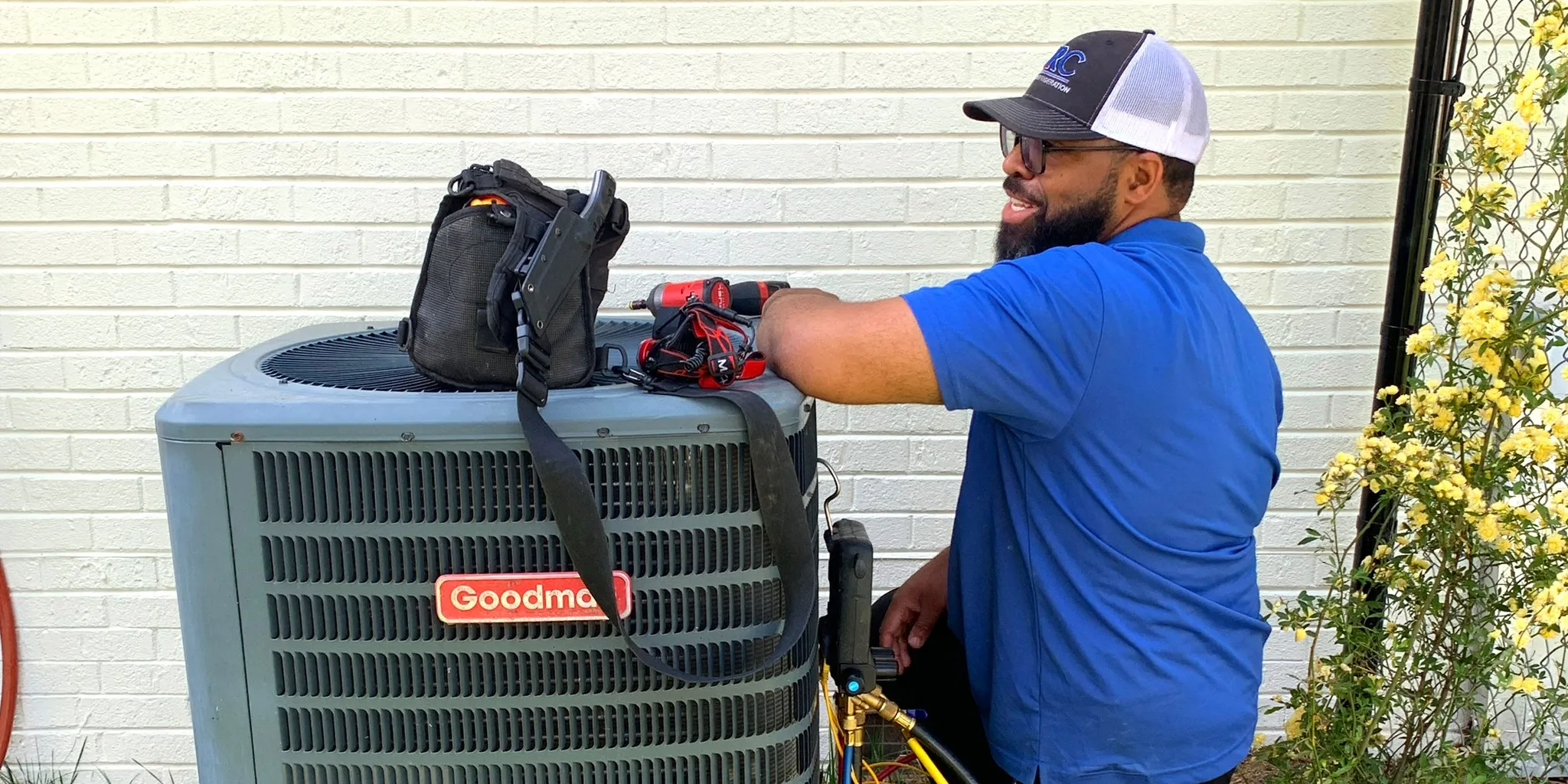
A heat pump works through both the cooling and heating seasons, so waiting for a problem can leave your home uncomfortable when you need the system most. A regular tune-up gives a technician a chance to identify developing issues before they become an urgent service call.
Call QRC HVAC & Refrigeration at (336) 281-5144 to schedule heat pump maintenance in Clemmons.
Heat pump maintenance Clemmons NC should be scheduled twice a year: a spring cooling tune-up and a fall heating tune-up. QRC HVAC & Refrigeration follows this seasonal approach, while ENERGY STAR also recommends pre-season heating and cooling checkups in spring and fall: ENERGY STAR maintenance guidance.
That schedule fits a system that provides comfort in both directions. The right timing also leaves room to account for your equipment manufacturer’s recommendations, system age, and any symptoms you have noticed. Here is how to plan each visit in practical terms.
How Often Should Heat Pumps Be Serviced in Clemmons, NC?
Because a heat pump provides both heating and cooling, it works through more of the year than equipment used for only one season. Two professional visits give a qualified technician a chance to review the system before each major operating period. For homeowners in Clemmons, that means planning cooling-focused maintenance in spring and heating-focused maintenance in fall.
QRC HVAC & Refrigeration makes this twice-yearly schedule its local recommendation for preventive heat pump care. You can learn more about Clemmons heat pump maintenance service and the residential support available in the area.
Why spring and fall are useful service windows
A spring visit prepares the system for its cooling workload. A fall visit shifts attention toward heating operation and helps identify concerns before colder weather arrives. Scheduling by season also gives homeowners a simple reminder: arrange cooling service in spring and heating service in fall, rather than waiting until the system struggles.
This timing aligns with ENERGY STAR guidance, which recommends annual pre-season contractor checkups and identifies spring for cooling-system checks and fall for heating-system checks.
Check the manufacturer’s maintenance instructions, too
The right interval can vary by equipment design, installation, operating conditions, and the terms of a service agreement or warranty. Review the owner’s manual and follow the manufacturer’s instructions if they call for a different schedule or specific inspection. DOE Building America guidance likewise notes that manufacturer specifications or warranty requirements govern maintenance intervals and may call for service every one to two years in some situations.
Those instructions do not replace attention to the system’s actual use. A heat pump with noticeable performance changes, unusual operation, or a recurring comfort problem should be evaluated sooner instead of waiting for the next seasonal appointment. Between visits, homeowners can handle simple observations and filter care, but refrigerant, electrical, and sealed-system work should remain with a qualified HVAC professional.
Why Do Heat Pumps Need Seasonal Maintenance?
A heat pump works through more of the year than a system used for only heating or cooling. In Clemmons, it may switch between heating and cooling as outdoor conditions change, so its indoor and outdoor components need to remain ready for both jobs. Seasonal service gives a technician an opportunity to evaluate the system before the next demanding part of the year.
Filters affect airflow and equipment operation
A dirty filter restricts the air moving through the system. ENERGY STAR notes that neglected filters can increase energy costs, damage equipment, and contribute to early failure. The right filter and a regular replacement schedule depend on the home, system, filter type, and manufacturer instructions. Homeowners can check the filter, but a technician should investigate ongoing airflow problems rather than treating every comfort issue as a filter problem.
Coils need to transfer heat effectively
Heat pumps transfer heat through their indoor and outdoor coils. Dirt on a coil can reduce cooling ability, increase run time, and reduce equipment life, according to ENERGY STAR. Seasonal maintenance helps identify buildup and other conditions that may interfere with heat transfer. Cleaning methods and access vary by equipment, so avoid bending coil fins or attempting a deep cleaning without the proper tools and instructions.
Drainage and safe operation matter year-round
During operation, the system may produce condensate that must drain correctly. ENERGY STAR warns that a plugged condensate drain can cause water damage and affect indoor humidity. A seasonal visit can include checking the drainage path and looking for signs of trouble around the equipment. A technician can also evaluate operating controls and other safety-related conditions that homeowners should not adjust themselves.
These checks do not guarantee lower bills or prevent every repair. They provide a practical way to keep a year-round heating and cooling system under informed care, while addressing small concerns before the next seasonal change.
What Does Heat Pump Maintenance in Clemmons NC Include?
A qualified technician reviews the parts that affect comfort, safe operation, and reliable heating and cooling. Building Science Education guidance for heat pumps includes checking refrigerant charge and looking for leaks, evaluating airflow, inspecting indoor and outdoor coils, checking the drain pan, examining electrical terminals, reviewing refrigerant-line insulation, and checking thermostat settings. These checks are more involved than simply changing a filter or looking at the outdoor cabinet.
What the technician may evaluate
- Refrigerant and sealed-system condition: The technician can check refrigerant charge, look for evidence of leaks, and determine whether recharging or leak detection is needed. Refrigerant work requires specialized equipment and should not be attempted by a homeowner.
- Airflow and coils: The visit may include checking airflow through the system and inspecting the indoor and outdoor coils. Dirty coils can reduce cooling performance and make the equipment run longer, according to ENERGY STAR. A technician can determine whether cleaning or another correction is appropriate.
- Drainage: The condensate pan and drain are checked, particularly because a heat pump produces condensate while operating in cooling mode. A plugged drain can contribute to water damage and indoor humidity problems.
- Electrical and operating components: Electrical terminals, connections, and motor operation require technician-level testing. The visit should also confirm that the system starts, runs, and shuts down properly, while checking controls for safe operation.
- Thermostat and insulation: Thermostat settings can be tested or calibrated for consistent control. The technician may also inspect refrigerant-line insulation for damage or deterioration.
Where QRC service can go beyond routine maintenance
Maintenance can uncover a problem that needs correction. If testing identifies a concern, QRC HVAC & Refrigeration can discuss the appropriate repair or service option and explain what should happen next. See QRC’s heat pump repair and replacement information for related service options.
Homeowners can safely note a dirty filter, blocked outdoor area, unusual noise, weak airflow, or thermostat behavior and share those observations with the technician. Leave refrigerant, electrical terminals, coils inside the equipment, motors, and sealed-system diagnosis to a qualified professional. This boundary helps prevent injury and avoids turning a routine inspection into additional equipment damage.
What Can Homeowners Check Between Service Visits?
Simple observations can support heat pump care in Clemmons, but they do not replace professional maintenance. Use the following checklist between visits:
- Inspect the air filter. Check the filter regularly and clean or replace it according to the equipment manufacturer’s guidance. ENERGY STAR recommends inspecting, cleaning, or changing heat pump filters monthly, but the right interval can vary with the filter, equipment, household conditions, pets, dust, and system use. If you are unsure which filter or setting is appropriate, ask your technician to show you what to check. A visibly dirty filter should not be ignored, because restricted airflow can affect comfort and place additional strain on the equipment. ENERGY STAR’s maintenance checklist provides general filter guidance.
- Look around the outdoor unit. Make sure you can see the unit and that leaves, grass, branches, or other debris are not visibly crowding it. Keep the area reasonably clear, while following the manufacturer’s clearance instructions. Do not remove panels, reach into the cabinet, straighten components, or attempt to clean sealed parts. A visual check is enough between visits.
- Observe the thermostat and comfort. Notice whether the thermostat responds normally and whether the home reaches the selected temperature in heating and cooling modes. Record any unusual cycling, delayed starts, or rooms that become consistently warmer or cooler than expected. Avoid repeatedly changing settings to compensate for a problem you do not understand.
- Note changes in sound, airflow, ice, or water. Listen for new rattling, buzzing, grinding, or unusually loud operation. Pay attention to weak airflow, unexpected ice, or water near indoor or outdoor equipment. These signs do not identify a specific fault, so do not attempt refrigerant, electrical, coil, drain, or sealed-system work yourself.
- Keep a short service note. Write down when the change began, which operating mode was running, what you observed, and whether the issue repeats. Bring those notes to the next visit or share them when requesting service. Clear observations help the technician focus the inspection and determine whether the system needs attention sooner.
For homeowners who prefer a structured plan, QRC’s residential HVAC maintenance program can help organize seasonal professional visits.
Which Signs Mean Your Heat Pump Needs Service Early?
A seasonal maintenance appointment is preventive, not a reason to wait when the system is already behaving differently. A heat pump works in both heating and cooling modes, so a change in comfort or operation can deserve attention at any point in the year. These signs do not identify a specific fault by themselves, but they are useful reasons to contact a qualified HVAC professional.
Changes in comfort or operating behavior
Schedule service when rooms remain too warm or too cool, the system struggles to reach the thermostat setting, or heating and cooling performance has noticeably declined. Reduced airflow from several vents is another reason to call. The cause could involve airflow, controls, or another system component, and a technician should evaluate it rather than relying on a homeowner diagnosis.
Pay attention to unusual cycling as well. A heat pump that starts and stops much more often than normal, runs for unusually long periods, or does not appear to shut off properly should be inspected. Note when the behavior occurs and whether it happens in heating, cooling, or both modes. That information can help the technician understand the concern.
Ice, water, sounds, and odors
Visible ice on the outdoor unit, refrigerant lines, or other components is a service warning, particularly when it persists or appears outside a normal defrost cycle. Water around the indoor equipment, near a drain, or in an unexpected area also warrants prompt attention. Do not remove panels or attempt to work on refrigerant lines. A condensate or system issue can require equipment-specific testing.
New buzzing, grinding, rattling, squealing, or banging sounds should not be ignored. An unusual electrical or burning odor deserves prompt attention, and a strong musty smell should also be reported. Turn the system off if operation appears unsafe, then contact a qualified provider for guidance.
Repeated breaker trips
If a heat pump repeatedly trips a circuit breaker, do not keep resetting it to force the system to run. Repeated trips can signal an electrical or equipment problem that needs professional evaluation. Avoid opening the electrical cabinet or attempting repairs yourself.
QRC HVAC & Refrigeration provides preventive maintenance, repair, installation, and replacement for heat pumps and serves Clemmons within its Winston-Salem-area residential coverage. Homeowners looking for Clemmons heat pump maintenance service can contact QRC to discuss the symptoms and the appropriate next step.
How Should You Schedule Heat Pump Maintenance Around Your Home?
A heat pump works through both the cooling and heating seasons, so a single annual appointment may leave one operating season without a planned check. QRC HVAC & Refrigeration recommends two seasonal tune-ups to keep the maintenance conversation aligned with how your system is used in a Clemmons home.
Use spring and fall as your scheduling anchors
Schedule the cooling-focused visit in spring, before regular air-conditioning demand begins. This gives the technician an opportunity to review the system before you depend on it for warmer-weather comfort. Plan the heating inspection in fall, before colder weather makes heating operation a daily need.
Spring and fall are also easy reminders to place on a calendar. ENERGY STAR recommends annual pre-season checkups and identifies spring for cooling service and fall for heating service. Its maintenance guidance also suggests using the seasonal time changes as a reminder. Read ENERGY STAR’s maintenance checklist for general scheduling guidance.
Check the manufacturer’s interval before booking
Your equipment documentation and warranty may set requirements that affect the maintenance schedule. DOE Building America notes that manufacturer specifications or warranties govern service intervals, which are often every one to two years. That interval is not a substitute for QRC’s twice-yearly preventive approach. But it is an important reason to keep the installation paperwork available and confirm what your system requires.
If you recently installed or replaced the heat pump, review the warranty language before the first appointment. If you are unsure which schedule applies, ask a qualified technician to help you reconcile the manufacturer’s guidance with seasonal operation and the home’s comfort needs.
Make the routine easier to keep
Book the spring visit before the calendar fills with cooling-season calls, then reserve the fall appointment while the system is still operating in moderate weather. Homeowners who prefer a recurring reminder can review QRC’s residential HVAC maintenance program, which includes two seasonal tune-ups. It can provide a straightforward way to keep both appointments on the calendar without relying on memory alone.
When Is Repair or Replacement the Better Next Step?
A heat pump can show similar symptoms for very different reasons. Weak airflow, uneven temperatures, unusual cycling, or a system that will not switch modes may reflect a maintenance issue, a repairable component, or a larger equipment concern. That is why an in-person evaluation matters more than trying to choose between repair and replacement from a symptom alone.
QRC HVAC & Refrigeration provides preventive maintenance, professional repair, installation, and replacement for residential heat pumps. A technician can evaluate the equipment, controls, and operating performance, then explain which next step fits the condition of your system and your home’s comfort needs. If the evaluation identifies a repair concern, QRC can explain the available service options and recommended next step.
How to choose the next heat pump service step
| Situation | Best starting point | Next step |
|---|---|---|
| The system is heating and cooling normally, with no new symptoms. | Routine maintenance | Keep the next seasonal tune-up on schedule and mention any small changes to the technician. |
| Comfort, airflow, cycling, noise, or operation has changed. | Repair evaluation | Schedule a diagnostic visit before assuming the equipment needs to be replaced. |
| The system has recurring problems or an evaluation raises broader equipment concerns. | Replacement evaluation | Ask for an in-person assessment of repair options, system fit, and replacement needs. |
Maintenance and repair are not interchangeable. Preventive service is designed to inspect and care for a working system, while a repair visit addresses a specific fault or symptom. Replacement is a separate decision that should follow a qualified assessment, not a guess based only on equipment age or one disappointing day.
For local homeowners, QRC’s heat pump maintenance and service can provide a practical starting point. Bring up comfort changes, recurring alerts, unusual sounds, and any prior repairs so the technician has useful context before recommending a path forward.
Call QRC HVAC & Refrigeration at (336) 281-5144 to schedule heat pump service in Clemmons.
Frequently Asked Questions
How often should a heat pump be serviced in Clemmons?
QRC recommends preventive heat pump maintenance twice a year: a spring cooling tune-up and a fall heating inspection. This schedule fits a heat pump’s year-round workload. ENERGY STAR also recommends annual pre-season checkups, with cooling service in spring and heating service in fall. ENERGY STAR maintenance guidance
What is included in a professional heat pump maintenance visit?
A technician may review thermostat operation, airflow, controls, electrical connections, coils, condensate drainage, refrigerant condition, and the system’s starting and shutoff cycles. QRC also provides heat pump repair services when testing identifies refrigerant leaks, compressor concerns, blower-motor problems, or other faults.
What heat pump maintenance can homeowners do themselves?
Check the air filter monthly and clean or replace it as appropriate for your system. Keep the outdoor unit visibly clear of leaves and other debris, and note unusual sounds, odors, weak airflow, or changing comfort. Leave refrigerant, electrical, and sealed-system work to a qualified technician. ENERGY STAR recommends monthly filter checks
Is annual heat pump service enough?
Annual service is better than skipping maintenance, and it aligns with ENERGY STAR’s annual pre-season checkup guidance. However, QRC recommends two seasonal visits for residential heat pumps because the equipment provides both heating and cooling. The manufacturer’s maintenance instructions and warranty terms should also guide the final interval.
When should I call for heat pump service before my next tune-up?
Schedule service sooner if the system stops heating or cooling properly, short-cycles, develops ice or water around the equipment, produces unusual noise or odor, has weak airflow, or repeatedly trips a breaker. Turn the system off and seek prompt professional help if you notice an electrical burning smell or another immediate safety concern.
Ready to Schedule Heat Pump Maintenance in Clemmons?
Regular seasonal service gives your heat pump a practical opportunity to prepare for the next round of heating or cooling. If your system is due for a visit, schedule heat pump maintenance with QRC HVAC & Refrigeration or call (336) 281-5144 to discuss the next step with our team.