


We’ve all had it: that disappointing, gritty spoonful of ice cream. The flavor might be there, but the texture is completely off, ruined by crunchy ice crystals. What separates a creamy, luxurious scoop from a grainy one often comes down to science. The secret lies in maintaining a consistent, ultra-low temperature from the moment it’s made to the moment it’s served. Even small fluctuations can cause ice crystals to grow, destroying the quality of your product. That’s why your choice of commercial freezer is one of the most critical decisions you’ll make. Below, we’ll explore the different types of freezers designed to protect your frozen treats and ensure every customer enjoys the perfect scoop.
Whether you own a restaurant or a bakery, it’s possible that you offer a few frozen treats for your patrons which need to stay cool throughout the work day. There’s nothing people love more than strolling around in the summer and stopping for a scoop or two of ice cream, soft serve ice cream, or even gelato! It’s a great addition to your other goods whether you own a restaurant, a bakery or a coffee shop! But you can’t store them in your other walk-in refrigeration units, since they need to stay colder than most of your perishables. You need a special unit, especially if you’re creating custom ice cream scoop combinations for your customers!
A Sweet History: The Origins of Ice Cream
Ice cream feels like a modern treat, but its roots go back centuries. Long before the invention of commercial freezers, people were finding creative ways to enjoy frozen desserts. The journey from flavored snow to the creamy scoops we love today is a fascinating story that spans continents and cultures. Understanding this history can give you a new appreciation for the dessert that has become a staple in cafes, restaurants, and homes around the world. It’s a treat that has been refined over thousands of years, culminating in the diverse and delicious options available now.
From Ancient Frozen Desserts to the First Cafes
Key Developments in Ice Cream History
The earliest forms of frozen desserts can be traced back to ancient civilizations. Some historians believe that around 550 BC, the Persians were enjoying flavored snow, a simple yet refreshing treat. Similar chilled desserts were also popular among ancient Romans and in Japan. However, the ice cream we would recognize today began to take shape in Europe. The first dedicated ice cream café, Café Procope, opened its doors in Paris in 1686 and quickly became a sensation. This marked a major turning point, transforming ice cream from a rare luxury for the elite into a more accessible indulgence for the public.
The American Love Affair with Ice Cream
The Invention of the Ice Cream Cone
While Europe laid the groundwork, America is where the love for ice cream truly blossomed. The invention of the ice cream cone, a perfect example of American ingenuity, played a huge role in its popularity. The story goes that at the 1904 World’s Fair in St. Louis, Missouri, an ice cream vendor ran out of dishes. A nearby waffle vendor had a brilliant idea: he rolled his waffles into a cone shape to hold the ice cream. This simple, edible solution was a massive hit and forever changed how we eat ice cream, making it a portable, convenient treat for everyone to enjoy.
The Science Behind a Perfect Scoop
There’s more to a perfect scoop of ice cream than just great flavor. The science behind its texture is a delicate balance of ingredients and temperature. The creamy, smooth consistency that customers crave is the result of a precise freezing process. If that process is disrupted, you can end up with a gritty, icy product that is far from appealing. For any business serving frozen desserts, understanding this science is key to delivering a high-quality product every time. It all comes down to controlling the formation of ice crystals, which requires reliable and powerful refrigeration equipment.
What is Ice Cream, Really?
Composition and Texture
At its core, ice cream is a frozen emulsion made from a few key ingredients. It typically starts with a base of milk or cream, which provides the necessary fat content for a rich mouthfeel. This base is then sweetened with sugar or corn syrup and infused with flavors like vanilla, chocolate, or fruit purees. Stabilizers are often added to help maintain a smooth texture and prevent the ingredients from separating. Finally, water, which comes from the milk or cream, freezes to form the tiny ice crystals that give ice cream its solid structure, while air is whipped in to create a light, scoopable final product.
Why Proper Freezing is Crucial for Quality
The Role of Temperature in Preventing Large Ice Crystals
The secret to exceptionally smooth ice cream lies in keeping the ice crystals as small as possible. When ice cream is made, it’s frozen quickly while being churned to prevent large, crunchy crystals from forming. However, the challenge doesn’t end there. Over time, especially with temperature fluctuations, small ice crystals can melt and refreeze, growing into larger, sharper ones. This process, known as Ostwald ripening, is what causes ice cream to become grainy. That’s why having dependable commercial refrigeration is non-negotiable for any business. A high-quality freezer maintains a consistent, ultra-low temperature, protecting your product’s texture and ensuring every scoop is as perfect as the first.
Understanding Different Types of Frozen Desserts
The world of frozen desserts is vast and varied, extending far beyond traditional ice cream. From the dense richness of Italian gelato to the light airiness of soft serve, each treat has its own unique characteristics, ingredients, and production methods. For business owners, offering a variety of these options can attract a wider range of customers, including those with dietary restrictions. Knowing the key differences between these desserts is essential for marketing them correctly and, just as importantly, for storing them at the proper temperatures to maintain their distinct textures and flavors. Each type requires specific care to ensure it’s served at its best.
The Legal Definition of Ice Cream
Believe it or not, there are rules about what can officially be called “ice cream.” In the United States, the Food and Drug Administration (FDA) has a specific legal definition. To earn the title, a product must contain a minimum of 10% milk fat. This standard ensures a certain level of richness and creaminess that consumers expect. The recipe also includes milk solids, sweeteners, stabilizers, and water. Products that don’t meet this 10% milk fat requirement, like many “light” versions or frozen dairy desserts, cannot legally be labeled as ice cream, which is why you’ll often see them sold under different names.
Ice Cream vs. Gelato
While often grouped together, ice cream and gelato are distinctly different. The primary difference lies in the fat content. As we know, American-style ice cream must have at least 10% milk fat, whereas traditional Italian gelato is made with more milk than cream, resulting in a lower fat content, typically between 4% and 9%. Gelato is also churned at a slower speed, which incorporates less air, making it denser and more intensely flavored than ice cream. Finally, gelato is served at a slightly warmer temperature, which allows its soft, silky texture and bold flavors to shine through.
Soft Serve and Other Varieties
Frozen Custard, Sorbet, and Dairy-Free Options
Beyond ice cream and gelato, there are many other popular frozen treats. Soft serve is a lighter, airier version of ice cream that is frozen at a warmer temperature and served directly from a machine. Frozen custard is a richer alternative, thanks to the addition of egg yolks. For those avoiding dairy, sorbets and sherbets are excellent fruity options, though it’s worth noting that sherbet contains a small amount of milk. The market for dairy-free alternatives has also exploded, with delicious options made from plant-based milks like soy, oat, almond, or coconut. Each of these products requires precise temperature control, and our team at QRC provides expert commercial services to keep your equipment running perfectly.
Today we’re going over the basics for a few different freezer options you have for your ice cream and other chilly treats!
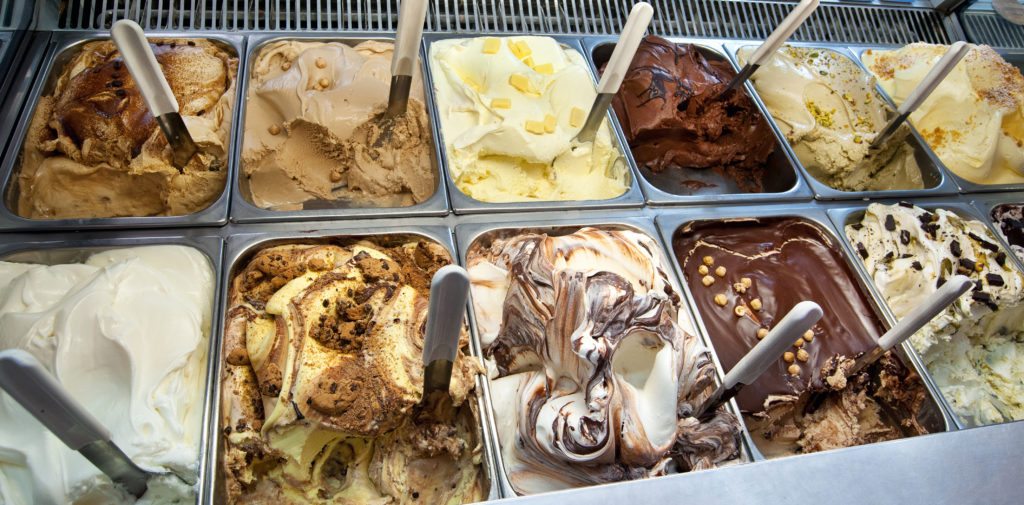 Ice Cream Dipping Cabinets are the best option if you want to show off the different flavors you offer and make it easy to customize customer orders. These act as a freezer but have an open top so the ice cream is easy for you to access and scoop! They take up quite a bit of space, but customers love being able to actually see the flavors. It’s also easier for them to get a taste of a flavor, since the ice cream is so easy for employees to access. They won’t be running into the back to get a spoonful of ice cream just for a customer to try. Gelato Display Cases are similar to the Ice Cream Dipping Cabinets. The tops aren’t as open but the gelato is displayed in a similar way with a full cover. And the gelato is still easy to access by sliding or opening the glass doors on the unit. The specific gelato pans are also made with stainless steel, making them easier to clean and switch out flavors.
  Soft Serve Ice Cream Machines easily fit into your current kitchen design, so it’s a great way to test the waters when you begin serving frozen treats and ice cream at your restaurant, bakery or cafe. They just sit right on top of the counter. Also, if frozen yogurt is more your style, these machines can hold and dispense the healthier option instead!
Ice Cream by the Numbers
It’s no secret that people love ice cream. It’s a nostalgic treat that brings back memories of childhood summers and special celebrations. For business owners, this widespread affection translates into a consistent demand. The numbers speak for themselves: Americans lead the world in ice cream consumption, with the average person enjoying about 6.1 gallons each year. This popularity makes it a fantastic menu item for cafes, restaurants, and specialty shops looking to attract more customers, especially during warmer months. Capitalizing on this trend means having the right equipment to store and serve a high-quality product that keeps people coming back for more.
When customers look for a frozen treat, they often gravitate toward familiar names. Major brands like Dairy Queen, Ben & Jerry’s, and Häagen-Dazs have built incredible loyalty, with each boasting over 80 percent brand recognition in the United States. Whether you choose to stock these popular brands or create your own unique artisanal flavors, the market is clearly there. The key is ensuring your product is always served at the perfect temperature and consistency. A reliable dipping cabinet or display freezer isn’t just a piece of equipment; it’s an essential tool for delivering the experience your customers expect and protecting your inventory investment.
Popular Brands and Consumption Habits
Understanding consumer habits can give you a real edge. The immense popularity of established brands shows that customers value consistency and quality. Offering a mix of well-known favorites alongside your own unique creations can appeal to a broader audience. Think about the last time you saw a family debating between classic chocolate and a new, exotic flavor—having both options satisfies everyone. Since the U.S. tops the charts for per-person ice cream consumption, it’s a reliable revenue stream. This steady demand underscores the importance of having dependable commercial refrigeration that can handle high-traffic days without breaking a sweat, ensuring every scoop is as perfect as the last.
A Note on Health and Nutrition
While ice cream is undeniably a delicious indulgence, many customers are also mindful of their health. It’s helpful to understand the nutritional side of the treats you’re serving. Traditional ice cream does contain some beneficial nutrients, like calcium for bone health and vitamins A and D. However, these benefits come with a significant amount of fat and added sugar. For this reason, most health experts recommend enjoying ice cream as an occasional treat rather than a daily staple. Being transparent about this and offering a variety of options can help you cater to a wider range of dietary preferences and build trust with your clientele.
Balancing Indulgence and Wellness
Positioning ice cream as a special treat allows customers to enjoy it without guilt. It’s all about balance. While it may not be a health food, it provides a sense of comfort and joy that people value. According to health professionals, the key is moderation. An occasional scoop can easily fit into a balanced lifestyle. As a business owner, you can support this by offering various portion sizes, like kid’s scoops or single-scoop options, allowing customers to indulge responsibly. This approach shows you care about their well-being, which can foster a loyal customer base that appreciates your thoughtful menu offerings.
Healthier Alternatives to Traditional Ice Cream
Catering to health-conscious consumers is a smart move. You can expand your menu with delicious frozen desserts that offer a lighter alternative to traditional ice cream. Consider options like no-sugar-added frozen fruit pops, which are refreshing and naturally sweet. Another great choice is a fruity Greek yogurt bark, which provides protein and probiotics. You can also make “nice cream” by blending frozen bananas into a creamy, soft-serve-like consistency. These alternatives are not only healthier but also appeal to customers with dietary restrictions, such as dairy intolerance or those following a vegan diet. Just remember, these treats also need precise temperature control to maintain their texture and taste.
Let’s Find the Perfect Freezer for You
Expert Sales and Service for Commercial Refrigeration
Seeing the options for serving frozen treats is one thing, but choosing the right one for your business is another. Deciding between a large dipping cabinet to display your colorful flavors and a compact soft-serve machine involves thinking about your space, workflow, and budget. This is where having an expert partner can make all the difference. Our team specializes in commercial refrigeration sales and can walk you through the pros and cons of each option for your specific business. We’ll help you find the perfect unit that fits your needs, ensuring you make a smart investment for your cafe or restaurant. We even offer convenient virtual Tele-Tech appointments to get the conversation started without you ever having to leave your shop.
Maintaining Your Equipment for Peak Performance
Once your new freezer is installed, the work isn’t over. Keeping that equipment in top shape is essential for the quality of your product. The secret to perfectly smooth ice cream is maintaining a consistent, very cold temperature. If the temperature fluctuates, small ice crystals can grow larger, a process that turns creamy desserts into a gritty, unpleasant texture. This is why regular maintenance is so important. A well-maintained freezer holds its temperature steady, protecting the quality of your treats and preventing disappointing customer experiences. Our service and maintenance programs are designed to keep your equipment running efficiently, helping you avoid unexpected breakdowns during your busiest season and ensuring every scoop you serve is as delicious as the last.
Frequently Asked Questions
Why can’t I just use my standard commercial freezer for storing ice cream? A standard commercial freezer is great for many things, but it’s not ideal for maintaining the delicate texture of ice cream. These freezers often have auto-defrost cycles that cause slight temperature swings. While minor, these fluctuations are enough to make small ice crystals in your ice cream melt and refreeze into larger, crunchier ones, resulting in that gritty texture no one wants. A dedicated ice cream freezer is designed to hold a consistent, ultra-low temperature to keep every scoop perfectly smooth.
What’s the main difference between an ice cream dipping cabinet and a gelato display case? While they look similar, they are designed for different products. An ice cream dipping cabinet is built to keep traditional ice cream at very low temperatures and typically has an open-top design for quick, easy scooping. A gelato display case, on the other hand, holds gelato at a slightly warmer temperature. This is crucial because gelato has a lower fat content and is served softer to bring out its intense flavor. The display is usually more enclosed to maintain this precise temperature.
I want to start small. What’s the best entry-level option for serving frozen treats? If you’re looking to add frozen desserts to your menu without a huge commitment, a countertop soft serve machine is a fantastic starting point. These units have a small footprint, so they won’t take up valuable kitchen space, and they are incredibly versatile. You can use them for soft serve ice cream or even switch to frozen yogurt, allowing you to test what your customers love most before investing in larger equipment.
My ice cream sometimes gets grainy or icy. Is my freezer broken? Not necessarily. This graininess is usually caused by temperature fluctuations, not a broken unit. When the temperature rises even slightly, the tiniest ice crystals melt. When it drops again, they refreeze into larger, sharper crystals, ruining the creamy texture. This is often a sign that your freezer isn’t holding a perfectly stable temperature, which is why regular professional maintenance is so important to keep your equipment performing correctly and protect your product quality.
Do gelato and sorbet need to be stored at the same temperature as ice cream? No, they each have unique storage requirements to be served at their best. Traditional American-style ice cream needs to be kept very cold to remain firm for scooping. Gelato is served several degrees warmer to maintain its soft, dense, and silky texture. Sorbets and other dairy-free options also have their own ideal temperatures depending on their sugar and water content. Using the right equipment ensures each treat has the perfect consistency and flavor profile.
Key Takeaways
- Protect Your Product’s Texture: The key to creamy ice cream is preventing large, crunchy ice crystals from forming. This requires a commercial freezer that holds a consistently low temperature, ensuring every scoop you serve is perfectly smooth.
- Match Your Freezer to Your Menu: Ice cream, gelato, and soft serve have different storage requirements to maintain their ideal texture and flavor. Selecting the right equipment, like a dipping cabinet or a soft serve machine, is essential for serving them correctly.
- Partner with Experts for Long-Term Success: Choosing and maintaining commercial refrigeration is critical for your business. Working with a professional for both sales and ongoing service helps you select the right unit and keeps it running efficiently, protecting your inventory and your reputation.