


We often think about the comfort our HVAC system provides, but what about the quality of the air it circulates? The air inside your home or business passes through your heating and cooling system multiple times a day, carrying with it dust, allergens, and other pollutants. A neglected system can contribute to poor indoor air quality and even pose serious safety risks, like carbon monoxide leaks or electrical faults. This is why Preventative Maintenance HVAC check-ups are so much more than a simple tune-up; they are a crucial step in protecting the health and safety of your family or employees, ensuring your environment is clean and secure.
If you want to maintain healthy HVAC (heating, ventilation and air conditioning) equipment you have to perform regular maintenance! It’s best to have a professional do a pre-season check-up before winter and summer. So now is the perfect time to give QRC a call so we can check your HVAC system before the cold weather hits!What does our pre-season maintenance check consist of? Keep reading and we’ll let you know! Our Maintenance Check Includes:
-
-
- Checking the thermostat settings. We do this to make sure that your heating and cooling system is the right temperature when you’re in the building and working more efficiently, saving energy, when no one is there.
-
-
-
- Check your central air conditioner’s refrigerant level. Your system will not be efficient if it doesn’t have the proper refrigerant levels. Whether it’s too much or too little, it will affect your system.
-
-
-
- Inspect the condensate drain in the central air conditioner, furnace, and/or heat pump. A plugged drain will cause water damage in your business!
-
-
-
- Tightening all the electrical connections, measure voltage and current on motors, lubricate all moving parts. We check for any faulty electrical connections that could cause their use to be unsafe and could also reduce the life of the major components of the connections. We also lubricate the moving parts to prevent friction in the motors. If there’s friction, it increases the amount of energy you use, costing you more money!
-
-
-
- Clean and adjust blower components. This provides proper system airflow, if your system has airflow problems it “reduce[s] your system’s efficiency by 15 percent.”1
-
-
-
- Check all gas (or oil) connections, gas pressure, burner combustion and heat exchanger. Whether you have improperly operated gas connections, which are a fire hazard, or a dirty burner or cracked heat exchanger, either can cause unsafe and improper function of equipment.
-
-
-
- Clean evaporator and condenser air conditioning coils. When those coils are dirty, they cause the cooling system to run longer, which increases your energy costs.
-
While all of the above should be performed by a professional, you should always inspect, clean, and change your air filters once a month! Your system will require less repairs as long as you maintain it!. 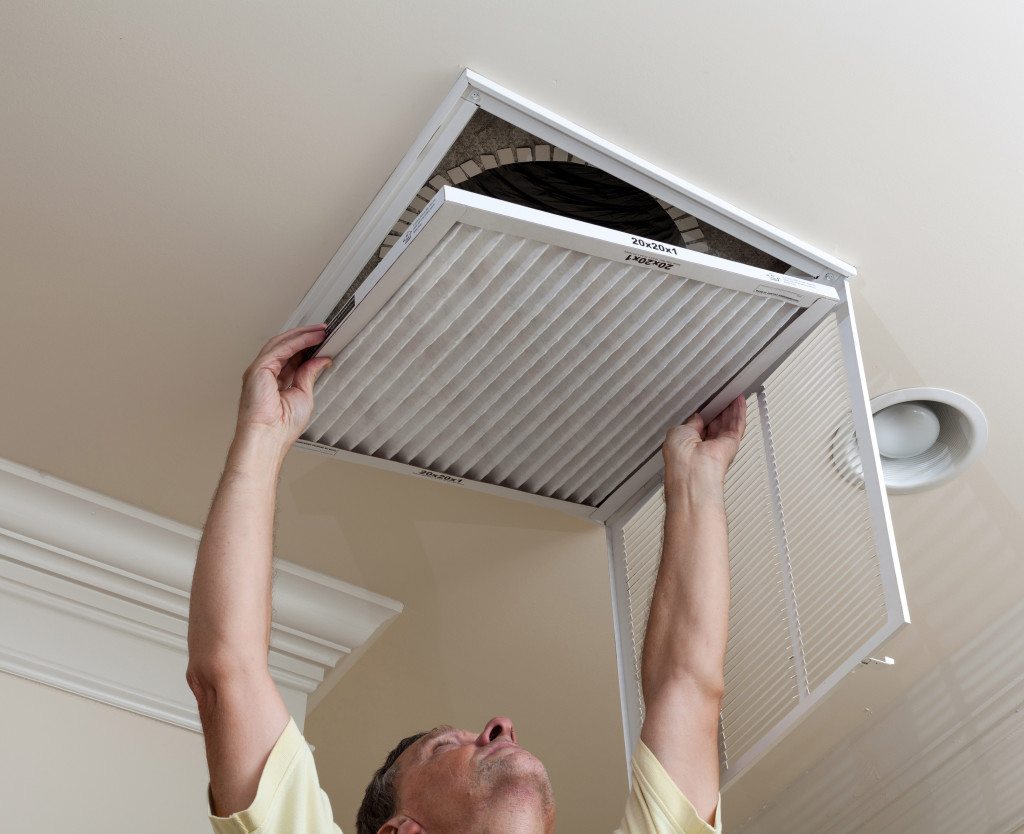
Get Winter-Ready with Preventative HVAC Maintenance
Why Preventative Maintenance is a Smart Move
Think of preventative maintenance as a regular health check-up for your HVAC system. It’s a proactive approach that involves scheduled inspections and tune-ups to keep everything running smoothly, rather than waiting for a catastrophic failure on the hottest day of the year. This simple habit does more than just prevent inconvenient breakdowns; it’s a smart investment in the comfort, safety, and value of your home or business. By catching small issues before they become major problems, you’re not just maintaining your equipment—you’re protecting your property, improving your air quality, and even keeping your manufacturer’s warranty intact. Regular care ensures your system operates at its best, providing reliable comfort when you need it most and saving you from the stress and expense of emergency repairs.
Extends Your Equipment’s Lifespan
Your HVAC system is one of the most expensive and essential pieces of equipment in your home, and you want it to last as long as possible. Regular maintenance is the key to making that happen. Just like a car, your heating and cooling units experience wear and tear from constant use, especially during North Carolina’s hot summers and chilly winters. According to Glasco Heating & Air Conditioning, “Regular maintenance helps protect this important equipment, especially because extreme weather can stress it.” A professional tune-up involves cleaning, lubricating, and inspecting all the moving parts, which reduces strain and prevents premature failure. This consistent care helps your system run more efficiently and can significantly extend its operational life, delaying the need for a costly replacement.
Keeps Your Manufacturer’s Warranty Valid
Did you know that skipping routine maintenance could cost you your warranty? Most HVAC manufacturers include a clause in their warranty agreements requiring proof of annual professional service. As noted by Bassett Mechanical, “Many manufacturers require regular maintenance to keep warranties valid, so skipping it could void your coverage.” If your system breaks down and you can’t provide service records, the manufacturer may deny your claim, leaving you to pay for expensive repairs out of pocket. Scheduling regular tune-ups with a trusted provider like QRC not only keeps your system in top shape but also ensures you have the documentation needed to keep your warranty active. It’s a simple step that provides a critical financial safety net.
Improves Indoor Air Quality
The air inside your home circulates through your HVAC system multiple times a day, which means its cleanliness directly impacts your family’s health. Over time, dust, pollen, pet dander, and even mold can accumulate in the ductwork, coils, and filters. When your system runs, it can spread these contaminants throughout your home, potentially triggering allergies and respiratory issues. Bassett Mechanical points out that “Regular check-ups keep parts clean and working right, which helps improve indoor air quality.” During a maintenance visit, a technician will clean these critical components and replace dirty filters, ensuring the air you breathe is cleaner and healthier. This is especially important for households with children, elderly residents, or anyone with sensitivities.
Protects Your Property from Damage
A malfunctioning HVAC system can cause more than just discomfort; it can lead to significant and expensive damage to your property. Issues like a clogged condensate drain can cause water to back up and overflow, leading to water damage in your walls, ceilings, and floors. In the winter, a sudden furnace failure can have even more dire consequences. As Property Meld explains, “If a heater breaks in winter, pipes can freeze and burst, causing expensive water damage.” Preventative maintenance helps identify and resolve these potential risks before they escalate, protecting the structural integrity of your home and saving you from the headache of major repairs and restoration projects.
Prevents Gas Leaks and Electrical Issues
Your HVAC system is a complex piece of machinery with critical gas and electrical connections. Over time, these components can wear out, loosen, or crack, creating serious safety hazards. A small crack in a heat exchanger could lead to a carbon monoxide leak, while a frayed wire could create a fire risk. According to Timberline Mechanical, “Regular maintenance helps stop small problems from turning into expensive repairs or replacements, including potential gas leaks and electrical issues.” During a professional inspection, a technician will carefully check these connections, test safety controls, and ensure everything is operating as it should, giving you peace of mind that your system is running safely.
Avoids Frozen and Burst Pipes
One of the most devastating consequences of a heating system failure during a cold snap is frozen and burst pipes. When your furnace stops working, the temperature inside your home can drop quickly, allowing water in your plumbing to freeze, expand, and rupture the pipes. The resulting water damage can be catastrophic, destroying drywall, flooring, and personal belongings. Property Meld highlights that preventative maintenance is a powerful tool against this, noting it “can reduce costly maintenance issues by 95%, including the risk of frozen and burst pipes.” By ensuring your heating system is reliable before winter arrives, you safeguard your entire home from this costly disaster.
Increases Your Home’s Value
A well-maintained HVAC system is a significant asset when it comes time to sell your home. Potential buyers are often wary of older, neglected systems because they represent a potential five-figure replacement cost right after moving in. According to Carrier, a leading HVAC manufacturer, “An efficient HVAC system can increase your home’s value, making it more attractive to potential buyers.” Being able to provide service records that show consistent, professional maintenance demonstrates that you’ve taken excellent care of the property. This can make your home stand out in a competitive market, justify a higher asking price, and give buyers the confidence they need to make an offer.
Reduces Your Environmental Impact
An efficient HVAC system is not only good for your wallet but also for the planet. When your system is running optimally, it consumes less energy to heat and cool your home. As Carrier explains, “Regular tune-ups help your system run better, using less energy and lowering your heating and cooling bills, which reduces your environmental impact.” By scheduling annual maintenance, you ensure that your equipment is clean, calibrated, and running at peak efficiency. This reduces your home’s overall energy consumption, which in turn lowers your carbon footprint. It’s a simple way to contribute to a healthier environment while enjoying a more comfortable home.
The Financial Benefits of Regular HVAC Care
While scheduling preventative maintenance does come with an upfront cost, it’s one of the smartest financial decisions a homeowner can make. The small annual investment pales in comparison to the high costs of emergency repairs, premature system replacements, and inflated energy bills. Think of it as an investment in efficiency and reliability that pays dividends year after year. Regular care keeps your system running at its best, which means it uses less energy to do its job, directly lowering your monthly utility bills. More importantly, it helps you avoid the sticker shock of a sudden, major breakdown, which always seems to happen at the worst possible time. Over the long run, the financial case for maintenance is clear and compelling.
How Maintenance Saves You Money Over Time
It might seem counterintuitive to spend money to save money, but that’s exactly how preventative HVAC maintenance works. As Bassett Mechanical puts it, “Even though there’s an upfront cost, preventative maintenance prevents bigger, more expensive repairs and lowers energy bills over time.” A tune-up allows a technician to spot a worn-out part that costs $50 to replace before it fails and causes a chain reaction that damages a component costing hundreds or even thousands. At the same time, a clean and calibrated system doesn’t have to work as hard to heat or cool your home, leading to noticeable savings on your monthly energy bills. These combined savings quickly add up, making annual maintenance a financially savvy choice.
Reduces Expensive Breakdowns by up to 95%
Few things are more stressful for a homeowner than an unexpected HVAC breakdown, especially when it comes with a hefty repair bill. The good news is that most of these costly emergencies are preventable. According to data from Property Meld, “Preventative maintenance can reduce costly maintenance issues by 95%.” That’s a staggering number that illustrates just how effective regular tune-ups are. By having a professional inspect your system annually, you can identify and address potential problems on your own schedule, rather than being forced to make a frantic call for an emergency repair. This proactive approach provides financial predictability and protects you from the vast majority of system failures.
Avoids Higher Costs During Peak Seasons
HVAC systems always seem to fail when they’re working their hardest—during a summer heatwave or a winter cold spell. This is also when HVAC technicians are in highest demand, which can lead to longer wait times and higher prices for emergency service. Timberline Mechanical notes that “Regular maintenance helps ensure your system is running efficiently, which can save you money during peak heating and cooling seasons.” A pre-season check-up confirms that your system is ready to handle the extreme temperatures. This not only prevents a breakdown when you need your system most but also helps you avoid paying premium rates for after-hours or emergency service calls during the busiest times of the year.
Understanding Different Maintenance Approaches
When it comes to caring for your HVAC system, there are two main philosophies: being proactive or being reactive. Each approach has a different impact on your budget, your comfort, and the lifespan of your equipment. Understanding these differences can help you make an informed decision about how to best manage your home’s heating and cooling systems. Professionals offer various types of service, from seasonal tune-ups to comprehensive annual plans, each designed to meet different needs. Knowing what to expect from each type of maintenance allows you to choose the right level of care to protect your investment and ensure your system remains reliable for years to come.
Preventative vs. Reactive Maintenance
The core difference between these two approaches lies in timing. As Bassett Mechanical defines it, “Preventative maintenance means regularly checking and fixing your heating and cooling systems before they break down.” It’s a scheduled, proactive strategy designed to keep your system in optimal condition. Reactive maintenance, on the other hand, is simply waiting for something to go wrong and then calling for a repair. While this might seem cheaper in the short term, it often leads to more expensive emergency repairs, greater inconvenience, and a shorter lifespan for your equipment. A preventative approach gives you control, while a reactive one leaves you at the mercy of unexpected failures.
Types of Professional HVAC Maintenance
Not all maintenance visits are the same. Depending on your needs and the state of your system, a technician might perform different types of service. Some visits are about preparing for the upcoming season, while others are focused on fixing a specific problem that has already occurred. The most thorough approach is a comprehensive annual check-up that covers every aspect of your system’s performance and safety. For businesses with complex systems, such as those requiring commercial services, these distinctions are even more critical for ensuring operational continuity and protecting valuable assets like commercial refrigeration units.
Corrective Maintenance
Corrective maintenance is another term for a repair. This type of service is performed when a problem has already been identified, either during a routine inspection or because the system has stopped working correctly. For example, if a technician finds a failing motor during a preventative check-up, the follow-up visit to replace that motor would be considered corrective maintenance. While it’s a necessary part of owning an HVAC system, the goal of a good preventative plan is to minimize the need for frequent and costly corrective actions by addressing potential issues before they cause a failure.
Seasonal Maintenance
Seasonal maintenance is a tune-up performed twice a year to prepare your system for the demands of the upcoming heating or cooling season. In the spring, the focus is on the air conditioner, ensuring the coils are clean, refrigerant levels are correct, and it’s ready for summer heat. In the fall, the technician inspects the furnace or heat pump, checking the burner, heat exchanger, and safety controls to ensure it will operate safely and efficiently all winter. This is the most common type of preventative maintenance for residential HVAC systems and is crucial for reliable performance.
Annual Comprehensive Maintenance
An annual comprehensive maintenance visit is the most thorough check-up your system can get. As Carrier describes it, “This is a detailed yearly check-up of your entire HVAC system to make sure everything is working correctly.” It goes beyond a basic seasonal tune-up to include a deep dive into every component, from electrical connections and motor performance to airflow and system calibration. This type of in-depth inspection is often included in service contracts and is the best way to ensure long-term efficiency, safety, and reliability for both residential and complex industrial HVAC systems.
What You Can Do: DIY Maintenance Tips
While professional maintenance is essential for the complex components of your HVAC system, there are a few simple tasks you can do yourself to help keep it running efficiently between service visits. These DIY tips are easy for any homeowner to handle and can make a real difference in your system’s performance and your home’s air quality. Taking an active role in your HVAC care not only helps your equipment but also makes you more aware of how it operates, so you’re more likely to notice small issues before they escalate. Just a few minutes of your time each month can contribute to better airflow, lower energy bills, and a healthier home environment.
Keep Your Outdoor Unit Clear
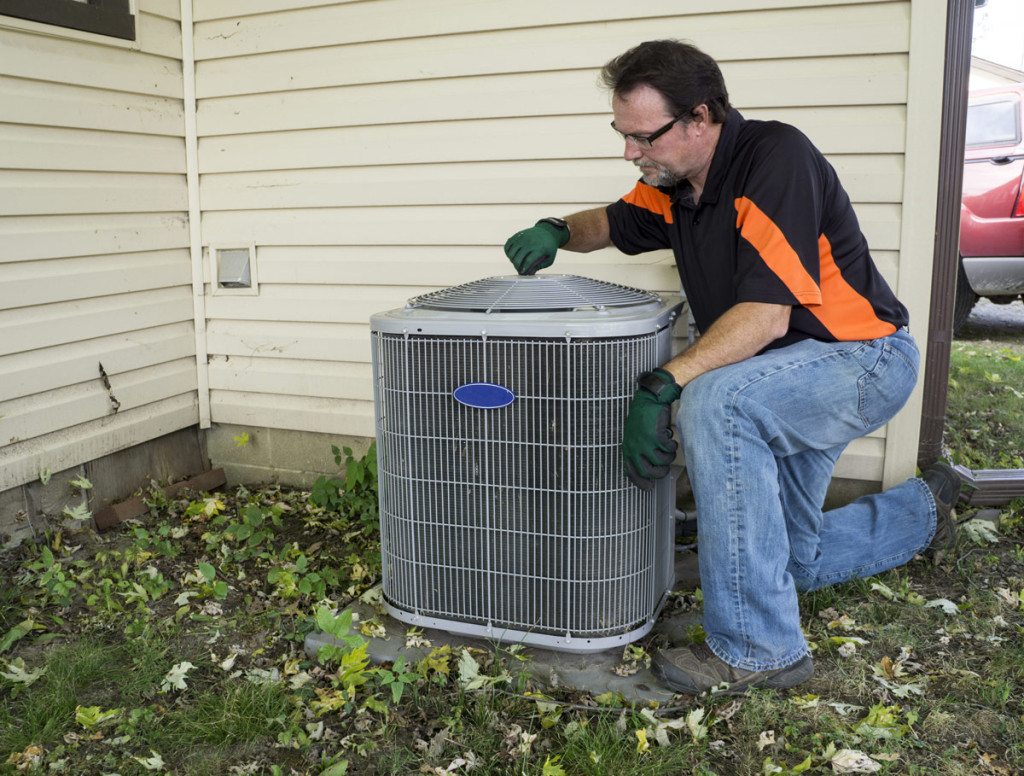
Your outdoor air conditioning unit, or condenser, needs plenty of room to breathe. It works by pulling in air and releasing heat from your home, and anything that obstructs airflow forces it to work harder. Make it a habit to check the area around your unit regularly. Trim back any bushes, weeds, or grass so there are at least two feet of clear space on all sides. In the fall, be sure to rake away any fallen leaves, and in the winter, gently brush off any snow or ice that accumulates on top. This simple step helps your system run more efficiently and prevents unnecessary strain on the compressor.
Clean Indoor Vents and Registers
The vents and registers throughout your home are the final stop for air before it enters your living spaces. Over time, they can collect dust, pet hair, and other debris, which can restrict airflow and circulate allergens. As Glasco Heating & Air Conditioning notes, “Regularly cleaning indoor vents and registers can improve airflow and system efficiency.” At least once a season, take a moment to vacuum your vents using a brush attachment. Make sure that none of them are blocked by furniture, rugs, or curtains, as this can disrupt the balance of your HVAC system and create hot or cold spots in your home.
Making Maintenance Easy with a Service Plan
Keeping track of when to schedule HVAC maintenance can be a hassle, and it’s easy for it to fall off your to-do list during a busy year. That’s where a service plan comes in. An HVAC service contract is the simplest way to ensure your system gets the consistent, professional care it needs without you having to remember to schedule it. These plans are designed to provide convenience, peace of mind, and often, significant savings. By signing up, you’re not just buying a tune-up; you’re partnering with a trusted company to manage the health of your home’s most important system, ensuring it runs efficiently and reliably all year long.
What is an HVAC Service Contract?
An HVAC service contract, or maintenance plan, is an agreement with a company like QRC to provide regular tune-ups for your system. Instead of calling to schedule a visit each season, the company will contact you when it’s time for service. As Timberline Mechanical explains, “Signing up for a maintenance program makes sure you stay on schedule, avoids times when technicians are fully booked, and helps you budget for the service.” Most plans include two visits per year—one for your heating system and one for your cooling system. Many also offer additional perks like priority service and discounts on repairs, making it a convenient and cost-effective option.
Benefits of QRC’s Service Maintenance Programs
At QRC, we designed our Service Maintenance Programs to make protecting your investment as easy as possible. We believe that regular maintenance is essential for ensuring your system operates at peak efficiency and reliability. When you join our program, you can count on us to keep your equipment in top condition, helping you save on energy bills and avoid unexpected breakdowns. Our members receive priority scheduling, so if you ever do have a problem, you’ll be at the front of the line. You’ll also enjoy discounts on parts and labor for any necessary repairs. It’s the most convenient and affordable way to ensure your family’s comfort and peace of mind, season after season.
Frequently Asked Questions
How often should I schedule professional maintenance for my HVAC system? The best practice is to have your system serviced twice a year. We recommend a cooling check-up in the spring to prepare your air conditioner for summer and a heating check-up in the fall to make sure your furnace is ready for winter. This pre-season approach ensures your equipment is prepared to handle the most demanding weather without any surprises.
My HVAC system is brand new. Do I really need maintenance already? Yes, it’s a great idea. Think of it like the required maintenance for a new car; it protects your investment. Starting maintenance from year one keeps your system running at its highest efficiency, which helps manage your energy bills. More importantly, most manufacturers require proof of annual service to keep your warranty active, so skipping it could leave you responsible for future repair costs.
What’s the difference between a one-time tune-up and a service plan? A one-time tune-up is a single service call, while a service plan is a proactive partnership for your system’s long-term health. With a plan, you don’t have to remember to call us; we reach out to you to schedule your seasonal visits. Members often receive extra benefits, like priority service for emergencies and discounts on parts or repairs, making it a convenient and budget-friendly way to care for your system.
Will I actually notice a difference in my home after a maintenance visit? Many homeowners do. While some of the biggest benefits are long-term, like extending your system’s life, you may notice immediate improvements. The air can feel fresher and cleaner since the technician cleans critical components that affect air quality. You might also see a pleasant drop in your next energy bill, as a clean and calibrated system uses less power to heat and cool your home.
Besides changing the filter, what’s one simple thing I can do to help my system? A fantastic and easy habit is to keep your outdoor unit clear of debris. Take a look every few weeks and make sure there are at least two feet of clear space around the entire unit. Trim back any encroaching bushes, weeds, or grass. Also, be sure to clear away any fallen leaves or snow that can block airflow. This simple task helps your system breathe easier and run more efficiently.
Key Takeaways
- Maintenance is total system protection: Scheduling regular professional tune-ups is the best way to protect your investment. It helps extend your equipment’s life, keeps your warranty valid, and prevents serious safety issues like property damage or electrical faults.
- Preventative care pays for itself: While maintenance has an upfront cost, it saves you significant money over time by lowering monthly energy bills and reducing the risk of expensive, unexpected breakdowns by up to 95 percent.
- Pair professional service with easy DIY habits: You can support your system’s health by regularly changing air filters and keeping the outdoor unit clear of debris. For the technical work, a service plan is the easiest way to automate professional care and ensure you never miss a tune-up.
Related Articles
- The Real Cost of Skipping Commercial HVAC Maintenance
- Maintenance HVAC Equipment: A Complete Guide
- Free Download: Commercial HVAC Maintenance Checklist PDF