


Should homeowners in Clemmons opt for zoned HVAC control? Often, yes, when one thermostat cannot keep upstairs rooms, sunny spaces, additions, or lightly used areas comfortable. The better answer depends on your floor plan, ductwork, insulation, equipment condition, and how your household uses each part of the home.
Zoning can give different areas separate temperature targets, but it is not a cure for a failing heat pump, leaking ducts, blocked registers, or poor insulation. This guide explains what to evaluate before choosing zone control for whole-home heating and cooling in Clemmons.
Talk with QRC HVAC & Refrigeration about zoned comfort or call (336) 281-5144 to discuss your Clemmons home.
How Does Zoned HVAC Control Work in a Clemmons Home?
Quick answer: Zoned HVAC control divides a home into comfort areas, then uses separate thermostats, a control panel, and duct dampers to direct conditioned air. Instead of asking one thermostat to represent the entire house, the system responds to the temperature needs of each zone while the central equipment operates within its design limits.
A conventional central HVAC system usually relies on one thermostat. That thermostat measures conditions in one location and calls for heating or cooling for the whole system. Rooms farther away, above a garage, under a sunny roofline, or on another floor may not feel the same even when the thermostat reaches its setting.
A professionally designed zoning system adds components that work together:
- Zone thermostats or sensors: These measure temperature in each designated area.
- A zone control panel: This coordinates calls for heating or cooling from the different thermostats.
- Motorized dampers: These adjust airflow through selected duct branches.
- Balanced ductwork: The ducts, registers, returns, and blower must work together as zones open and close.
The zones should follow real comfort patterns, not simply a room-by-room wish list. A two-story Clemmons home may need an upstairs sleeping zone and a downstairs living zone. Another home may benefit from separating a large sunny area or an addition from the rest of the house. The right layout comes from evaluating airflow and household routines together.
Which Clemmons Homes Benefit Most from HVAC Zoning?
Quick answer: Zoning is most useful when parts of a Clemmons home have different heating and cooling needs that a single thermostat cannot manage. Strong candidates include multi-story homes, houses with persistent hot or cold spots, large windows, finished additions, high ceilings, and rooms that are occupied on a different schedule from the main living areas.
Start with the pattern, not the equipment. Keep a short log for several days: note which rooms feel uncomfortable, when the problem appears, whether the issue changes with sun exposure, and whether it occurs during both heating and cooling seasons. This helps separate a true zoning opportunity from a maintenance or ductwork problem.
Zoning may deserve consideration if your home has:
- An upstairs that runs warmer than the main floor in summer or cooler in winter.
- Bedrooms, offices, or guest spaces that are used at different times of day.
- A finished attic, bonus room, room above a garage, or addition with a different load.
- Large windows or strong afternoon sun in only one part of the home.
- Household members who prefer different temperatures in sleeping and living areas.
- A layout where one thermostat sits in a poor location or does not represent the rooms people use most.
Not every home needs multiple zones. A compact, well-balanced floor plan with sound ductwork may be comfortable with one thermostat and routine maintenance. Adding controls without addressing the reason for the imbalance can create more components without solving the complaint.
Can Zoning Fix Uneven Temperatures, or Should You Repair Airflow First?
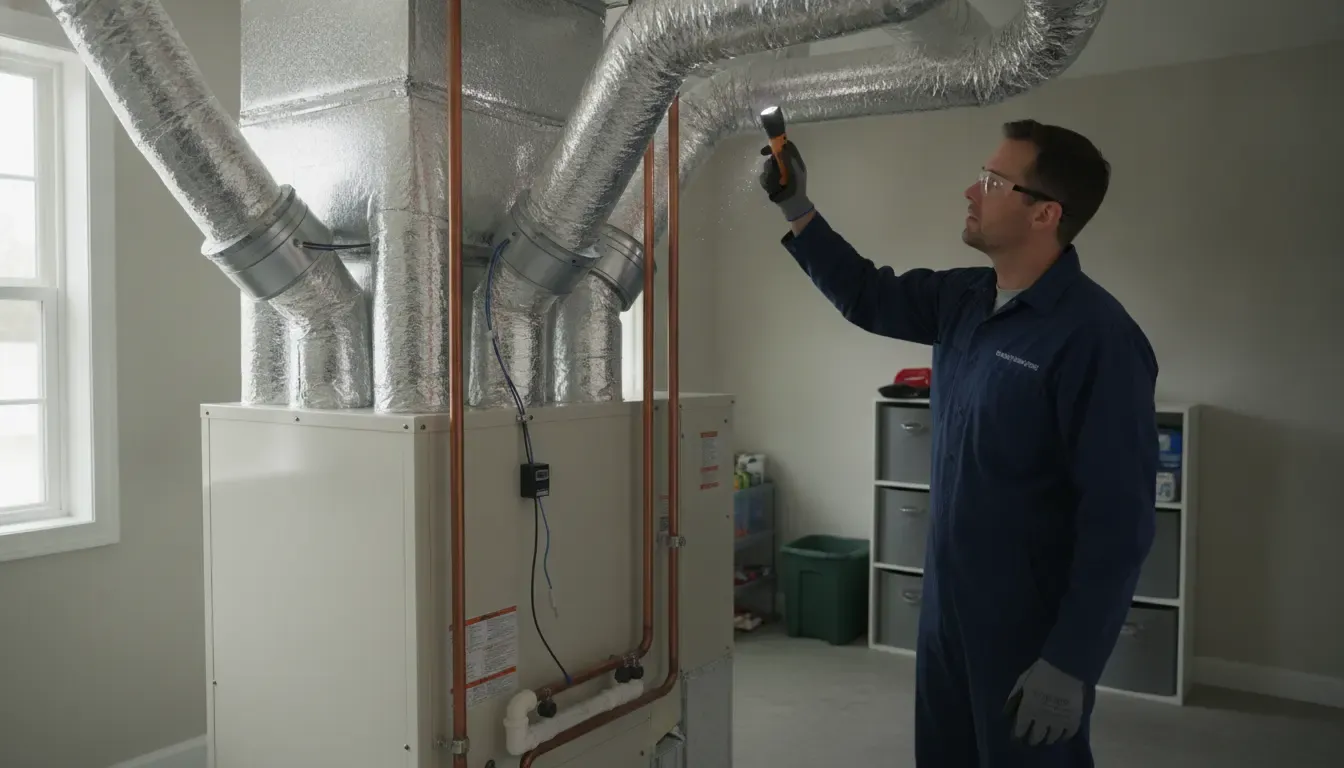
Quick answer: Zoning can improve uneven temperatures when the home has genuinely different comfort areas and the system is designed for that demand. It will not reliably fix undersized equipment, duct leaks, poor insulation, blocked airflow, or a malfunctioning thermostat. A professional assessment should identify the cause before anyone recommends new dampers or controls.
Hot and cold spots can come from several sources. A dirty filter, closed register, weak blower, refrigerant problem, or thermostat issue may need service before a zoning plan makes sense. Duct leakage, poor insulation, and supply or return restrictions can also cause comfort differences that zoning alone cannot correct.
Ask the HVAC professional to evaluate:
- Equipment capacity and condition: The furnace, heat pump, or air conditioner must be able to serve the proposed zones safely.
- Airflow and static pressure: Closing dampers changes where air moves, so the design must keep pressure and flow within appropriate limits.
- Duct sizing and leakage: A zone plan should not hide undersized, disconnected, or poorly sealed ducts.
- Insulation and air sealing: A room that gains or loses heat quickly may need envelope improvements as well as better control.
- Thermostat location: A sensor exposed to sun, drafts, or a nearby supply register can misread the space.
QRC HVAC & Refrigeration provides residential heating and cooling service, including thermostat work, heat pumps, central air conditioning, and ductless systems. The company also offers a virtual Tele-Tech appointment for homeowners who want to discuss replacement options before scheduling an in-home visit.
Which Zoning Setup Fits a Clemmons Home?
Quick answer: The best zoning setup depends on the existing equipment and the rooms that need independent control. A ducted central system may use dampers and multiple thermostats, while a ductless mini-split can provide targeted control without extending ductwork. Separate systems may fit larger homes, but they require a broader equipment and maintenance plan.
There is no single zoning product that fits every Clemmons property. The options below are starting points for a conversation, not do-it-yourself instructions or a substitute for load and airflow calculations.
| Approach | When it may fit | What to evaluate |
|---|---|---|
| Ducted central zoning | A home already has usable forced-air ductwork and distinct areas need different schedules. | Damper placement, duct sizing, returns, blower capacity, control compatibility, and pressure management. |
| Ductless multi-zone | An addition, bonus room, or selected rooms lack practical ductwork or need highly targeted control. | Indoor-unit placement, outdoor-unit capacity, refrigerant line routing, drainage, and maintenance access. |
| Separate HVAC systems | A larger or divided home already has, or can reasonably support, independent equipment. | Equipment sizing, electrical needs, installation space, operating schedules, and the cost of maintaining more than one system. |
QRC serves both central and ductless residential equipment and can help compare the options for your home. If a ductless approach is under consideration, review QRC’s mini-split services for more information about installation, zoning, repair, and maintenance.
What Should Homeowners Ask Before Adding Zone Control?
Quick answer: Before adding zone control, ask what is causing the comfort imbalance, how many zones the layout truly needs, whether the existing equipment and ducts can support them, and how the system will manage airflow when zones close. Also confirm control compatibility, service access, maintenance expectations, and what the installation includes.
A good estimate should explain the design, not just list a thermostat or damper. Use these questions to make the conversation specific:
- Which rooms or floors would be grouped into each zone, and why?
- What did the airflow, duct, and equipment inspection reveal?
- Can the existing system support the proposed zoning configuration?
- How will the design protect airflow and avoid excessive pressure when dampers close?
- Will the thermostats, sensors, and control panel work with the existing furnace, heat pump, or air conditioner?
- Are insulation, duct sealing, return-air, or register changes recommended first?
- Where will the control components be installed, and how will they be accessed for service?
- What maintenance will the dampers, thermostats, and central equipment need?
Homeowners considering replacement can also ask whether zoning should be designed at the same time as new equipment. In other cases, improving airflow or repairing a thermostat may be the more sensible first step. The right recommendation should connect the proposed work to the comfort problem you can actually describe.
How Should a Zoned HVAC System Be Maintained?
Quick answer: Maintain a zoned HVAC system by servicing the central equipment, replacing filters on an appropriate schedule, checking thermostats and sensors, inspecting dampers and duct connections, and confirming that each zone receives the expected airflow. Seasonal service is especially useful when the system changes from cooling to heating operation.
Zone control adds coordination points to the heating and cooling system. A single failed sensor, stuck damper, weak actuator, or control-panel issue can make one area uncomfortable even when the central equipment appears to run normally.
A practical maintenance plan should include:
- Filter inspection and replacement based on the home’s dust, pets, occupancy, and filter type.
- Thermostat and sensor testing, including a check for incorrect readings or poor placement.
- Duct and register inspection for leaks, restrictions, loose connections, or blocked airflow.
- Damper and actuator testing so each zone opens and closes as intended.
- Heating and cooling performance checks before the seasons when each mode is used most.
- Review of unusual noise, short cycling, slow recovery, or one zone that never reaches its setting.
QRC’s residential service maintenance programs include seasonal visits and inspections for heating and cooling equipment. Ask how the plan can account for your zoning components, not only the furnace, heat pump, or air conditioner.
Get a zoned HVAC assessment for your Clemmons home or call (336) 281-5144 to compare comfort, airflow, and equipment options with QRC HVAC & Refrigeration.
Frequently Asked Questions
Quick answer: Zoned HVAC is a comfort and control strategy, not a universal upgrade. It can be a strong fit for a Clemmons home with different floor-plan demands, occupancy schedules, or persistent temperature differences, provided the equipment, ducts, airflow, and controls are evaluated as one system.
Is zoned HVAC worth it for a two-story Clemmons home?
It may be worthwhile when the upstairs and downstairs have persistent comfort differences or different schedules. A professional should first check ductwork, insulation, equipment capacity, and airflow so the zoning design addresses the cause rather than adding controls to a system that needs repair.
Can HVAC zoning fix one room that never cools?
Sometimes, but not automatically. A room that stays warm may have a duct leak, blocked airflow, insufficient insulation, high sun exposure, or an equipment problem. Those conditions should be tested first. Zoning may help when the room is a legitimate separate comfort area after the underlying issues are addressed.
Does zoned HVAC control lower energy use?
Zoning can reduce unnecessary conditioning in areas that do not need the same schedule, but results vary by equipment, ductwork, insulation, weather, settings, and household behavior. Treat energy improvement as a potential benefit, not a guaranteed percentage or substitute for proper system design.
Can an existing central HVAC system be converted to zoning?
Some existing central systems can support zoning, but compatibility depends on the equipment, duct layout, control wiring, airflow, and pressure management. An HVAC professional should inspect the current system before recommending dampers, additional thermostats, or a different approach such as ductless equipment.
How often should a zoned HVAC system be checked?
Plan seasonal HVAC service according to the equipment and the home’s needs, with checks before the main heating and cooling seasons. Ask the technician to test zone sensors, dampers, controls, airflow, filters, and central equipment rather than inspecting only the thermostat in the main living area.
Ready for More Even Comfort at Home?
QRC HVAC & Refrigeration can help you compare repair, maintenance, ducted zoning, and ductless options for your Clemmons home. Explore residential heating and cooling services or call (336) 281-5144 to schedule the next step.