


A single walk-in cooler failure can cost a restaurant over $10,000 in spoiled food inventory. Protecting your equipment is the only way to avoid these massive losses and keep your kitchen running. If you are experiencing temperature fluctuations or want to schedule routine service, contact QRC HVAC & Refrigeration at (336) 813-1785 or view our Preventative Refrigeration Maintenance Plan today.
Expert walk-in cooler preventive maintenance is a set service plan designed to keep commercial refrigeration systems running well while avoiding sudden equipment failure. This process involves regular checking and cleaning of key parts like condenser coils and door gaskets. These steps prevent common issues such as temperature changes and high energy bills. Based on industry data, scheduled maintenance can reduce equipment downtime by up to 60% and extend walk-in unit lifespan by many years. By finding small machine problems early, business owners in Forsyth County can protect inventory and follow health code rules. A routine service plan ensures your kitchen stays cool and your business costs remain steady throughout the year.
Operating a restaurant or commercial kitchen in Forsyth County requires reliable refrigeration that can handle the heat. Understanding Why Preventive Maintenance Matters for Your Walk-In Cooler will help you save money and keep your business running smoothly.
Why Does Preventive Maintenance Matter for Your Walk-In Cooler?
Walk-in cooler preventive maintenance is critical because it directly protects your restaurant’s bottom line by preventing inventory spoilage, reducing emergency repair costs by 3x to 5x, and lowering energy consumption by 15% to 30%. Regular inspections keep your refrigeration systems running at peak efficiency, ensuring compliance with FDA food safety standards and doubling the operational lifespan of your equipment.
For a restaurant owner in Forsyth County, a walk-in cooler is more than just a big fridge. It is a key part of your business that keeps your food fresh and your kitchen running. When a cooler fails, the costs can be huge. Proper walk-in cooler preventive maintenance helps you avoid these risks and keeps your money in your pocket.
In Winston-Salem, food service is a fast-paced world. You cannot afford to have your gear go down on a Friday night. Routine care ensures that your cooler works well when you need it most. It also gives you peace of mind that your stock is safe from harm.
Protect your stock from loss
The biggest risk of a cooler failure is food loss. A single breakdown can lead to $3,000 to $10,000 in spoiled stock. This is a huge hit to your bottom line that most small firms cannot afford to take. By keeping your system in good shape, you ensure your food stays safe and fresh for your guests.
Proper care also helps you stay in line with health rules. The FDA Food Code says you must keep some foods at or below 41 degrees. Routine checks make sure your unit holds these safe temps all day long. If you notice the air feels warm, you can use our guide on how to troubleshoot a walk-in cooler to find the cause fast.
Reduce urgent repair costs
Wait-and-see is a poor plan for your cooling gear. Urgent repairs often cost three to five times more than a regular check-up. You also have to deal with the stress of a sudden shut down during a busy shift. Planning your care ahead of time helps you find small issues before they turn into big, costly fixes.
Most expert care visits cost between $150 and $400. This is a small price to pay when you compare it to a major repair bill. It is much easier to budget for a small fee twice a year than to face a massive, surprise expense. Regular care keeps your cash flow steady and your kitchen open.
Regular cleanings also save you money on your power bill every month. Dirty coils can make your unit use 15% to 30% more energy to stay cold. By keeping the coils clean, you help your unit run well and lower your monthly costs. This simple step can add up to big savings over the course of a year.
Extend the life of your gear
Your walk-in cooler is a big cost for your firm. You want it to last for a long time. A well-kept unit can last between 10 and 15 years. If you neglect the unit, it may fail in as little as 5 to 8 years. Regular care doubles the time you can use your cooler before you need to buy a new one.
Over time, dust and dirt build up on the fan and the motor. This makes the parts work harder than they should. Hard work leads to wear and tear that can kill your unit early. A tech can clean these parts and add oil to keep them moving smoothly for years to come.
Taking care of your cooler is a smart move. It saves you from high repair bills and helps your gear last longer. In a busy area like Winston-Salem, staying on top of your maintenance gives you one less thing to worry about.
What Are the Most Common Walk-In Cooler Problems?
The most common walk-in cooler problems include dirty condenser coils, worn door gaskets, frozen evaporator coils, clogged drain lines, and fan motor failure. Left unaddressed, these issues cause temperature fluctuations, increase monthly utility bills by up to 30%, and eventually lead to total system breakdown and catastrophic food inventory loss.
A walk-in cooler that works well is the heart of your kitchen. But when things go wrong, it can cost you time and money. Knowing the early signs of trouble helps you act before a total breakdown occurs. Most issues start small and grow over time without walk-in cooler preventive maintenance to stop them.
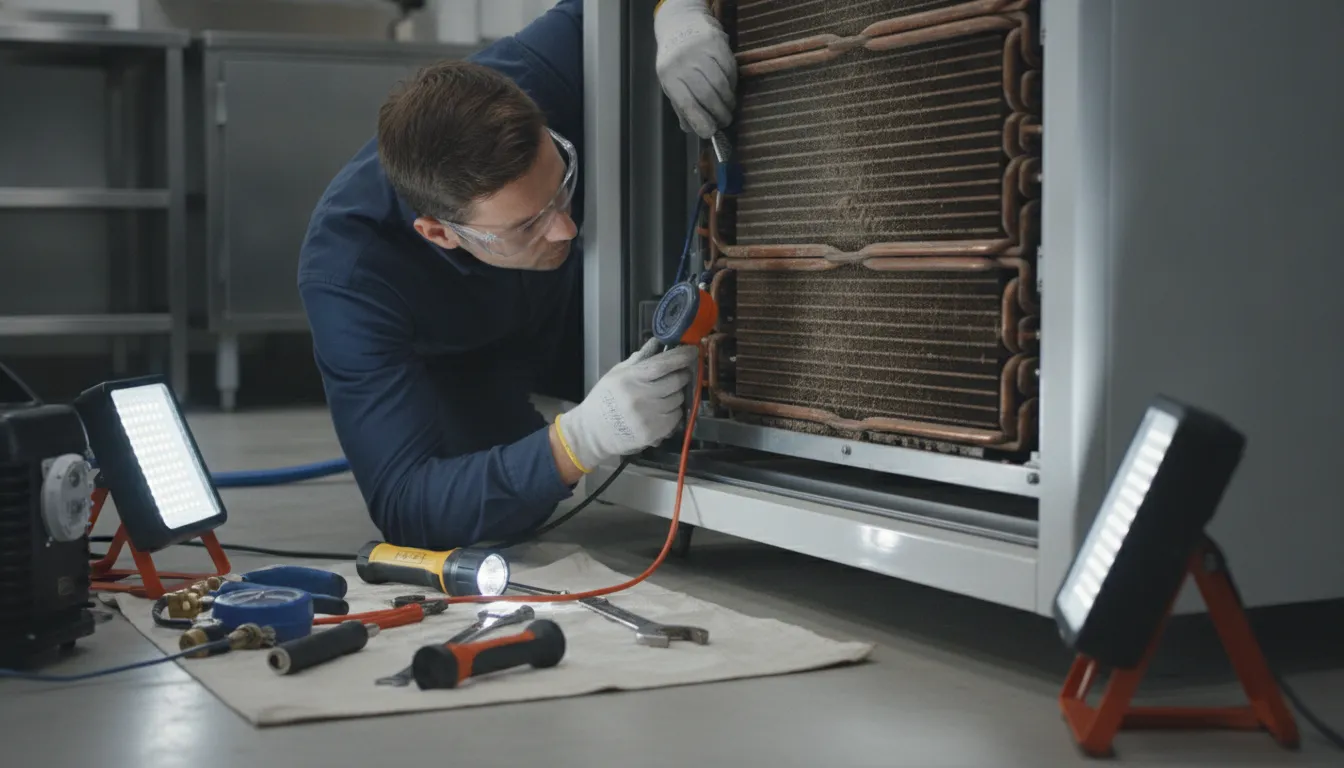
Dirty condenser coils
Dirty condenser coils are the top cause of cooler problems. These coils shed heat to keep the air inside cold. When dust and grease build up on them, the system has to work much harder. This extra work can increase your energy use by 15% to 30% according to Heatcraft maintenance guidelines. Keeping these coils clean is a simple way to lower your bills.
Worn door gaskets
The rubber seal around your cooler door is vital. A worn or torn gasket lets cold air out and warm air in. This can lead to a 20% to 30% loss of cooling power. You can check these seals yourself by looking for gaps or feeling for cold air leaks. You should also check out our guide on walk-in cooler components to see how these parts fit together.
Frozen evaporator coils
Frozen evaporator coils are the second most frequent issue for walk-in units. This usually happens because of poor airflow. When air cannot move freely, ice starts to form on the coils. This ice block stops the cooling process entirely. Regular cleaning and checking your fan motors can prevent this from happening to your unit.
Clogged drain lines
Water buildup is a clear sign of a clogged drain line. These lines carry away the water that forms during the cooling cycle. If a line gets blocked, water can pool on the floor or drip from the ceiling. This leads to mold growth and can damage the floor over time. Clearing these lines is a key part of any walk-in cooler troubleshooting routine.
Fan motor failure
Your cooler fans move the air that keeps your food safe. Over time, these motors can fail due to thick dust or a lack of oil. When a fan stops, the cooler cannot hold the right temperature. If you catch these signs early, a pro can often fix the motor before it dies. Routine checks ensure your fans stay in top shape year round.
Walk-In Cooler Preventive Maintenance Checklist
A comprehensive walk-in cooler preventive maintenance checklist includes daily temperature logging and door seal checks by staff, weekly gasket cleaning and drain line inspections, and quarterly or semi-annual professional deep cleanings of the condenser coils, electrical connections, and refrigerant levels by EPA-certified technicians.
A smart care plan keeps your food safe and your costs low. Use this checklist to stay ahead of common cooling issues. Most of these tasks only take a few minutes but save you from big repairs later. You can handle the daily and weekly checks yourself, but some tasks need a pro.
Daily cooling tasks for staff
Your team should check the cooler every day. Key daily tasks include:
- Read the temperature level twice a day: The FDA Food Code says you must keep cold food at or below 41 degrees.
- Inspect the floor: Look for standing water or ice buildup on the floor.
- Monitor equipment sounds: Listen for any loud or strange noises from the fan motor or compressor.
- Check the door seal and lights: Ensure that the door closes all the way and the lights go out when it shuts.
Weekly and monthly care checks
Once a week or month, perform these mid-level maintenance checks:
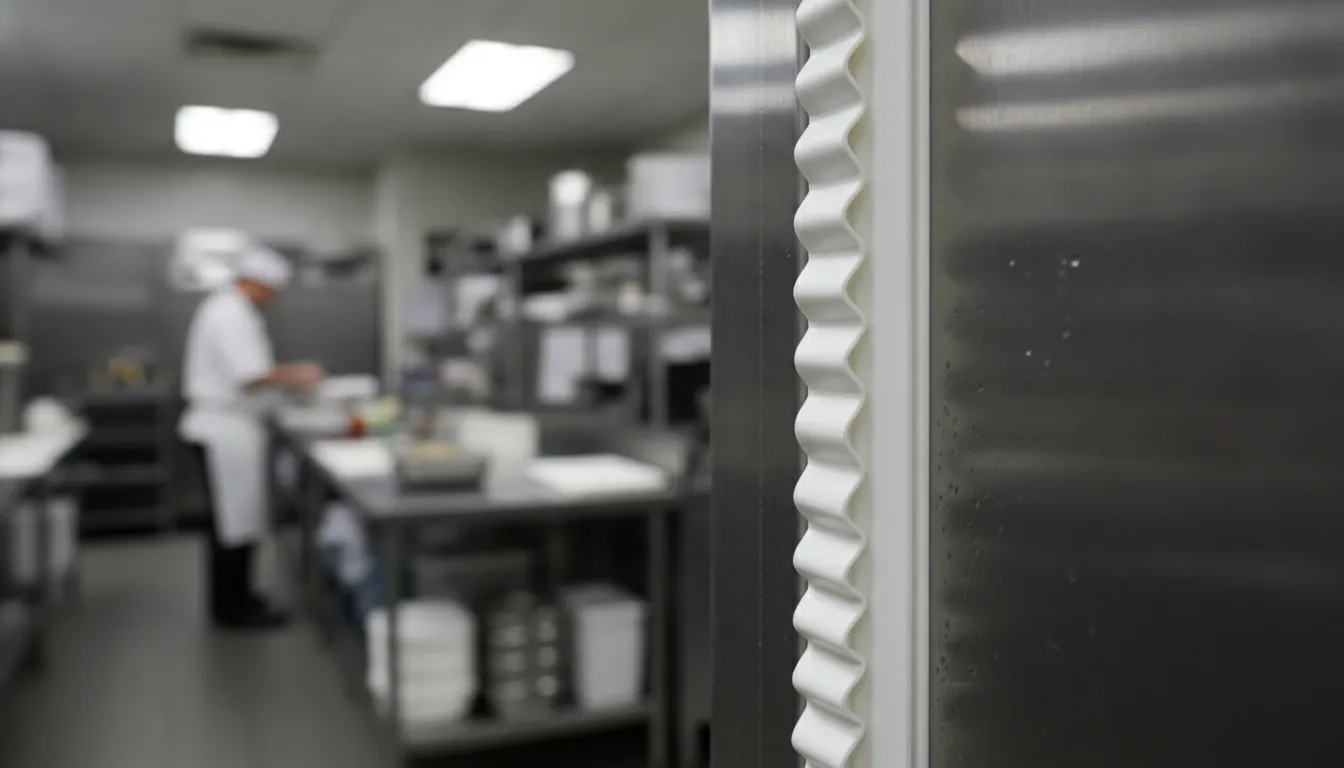
- Wipe down the door gaskets: Once a week, clean the gaskets with warm, soapy water to maintain a tight seal. Dirty or sticky gaskets can cause a 20% to 30% loss of cooling power.
- Inspect evaporator coils: Check every month for frost or ice buildup, which indicates blocked airflow or a broken defrost cycle.
- Clear the drain lines: Check monthly to prevent water from backing up and damaging the cooler walls or floor.
Quarterly and yearly professional service
Ensure a professional commercial refrigeration technician handles these complex tasks:
- Deep clean the condenser coils: Done every three months to prevent the top cause of cooler problems and save 15% to 30% in energy waste.
- Check refrigerant and electrical parts: Schedule a comprehensive check twice a year to test fan blades, electrical components, and refrigerant levels, keeping the unit running for its full 10 to 15-year lifespan.
What Is the True Cost of Skipping Walk-In Cooler Maintenance?
Skipping walk-in cooler maintenance results in higher utility bills (up to 30% increase), emergency repair costs that are 3x to 5x more expensive than planned service, and a halved equipment lifespan. Most importantly, a sudden failure risks $3,000 to $10,000+ in spoiled inventory and potential health department fines for failing to maintain safe holding temperatures.
For most food service businesses in Winston-Salem, a walk-in cooler is a major investment. While it might seem easy to put off routine service to save a few dollars, the hidden costs of neglect add up fast. Skipping walk-in cooler preventive maintenance can lead to costly repairs, high power bills, and even total food loss.
Higher utility bills and repair costs
One of the first signs of a neglected unit is a spike in power use. When coils get dirty, the system has to work much harder to keep the box cold. This can increase your energy bills by 15% to 30%, according to Heatcraft maintenance standards. Over a year, those extra costs often cost more than a service visit.
| Cost Factor | With Preventive Maintenance | Without Maintenance |
|---|---|---|
| Inspection cost | $150 to $400 per visit | $0 until failure |
| Emergency repair cost | Rarely needed | 3x to 5x more than planned service |
| Annual energy waste | Minimal (clean coils) | 15% to 30% higher bills |
| Equipment lifespan | 10 to 15 years | 5 to 8 years |
| Inventory spoilage risk | Low | $3,000 to $10,000+ per failure |
| Unplanned downtime | Reduced by up to 60% | High risk of sudden failure |
Waiting for a break also means paying more for the fix. Most planned service visits cost between $150 and $400. In contrast, emergency repairs can cost 3 to 5 times more than a planned visit. By staying on top of service, you avoid high fees and the stress of a late-night failure.
Health code risks and food safety
Keeping a safe temp is not just about food quality. It is a legal rule for any kitchen in Forsyth County. The FDA Food Code says that foods must stay at 41°F or below. If your cooler drifts above this mark due to poor air flow or a failing motor, you face health code fines.
The cost of a warm cooler goes beyond a fine. A single failure can lead to $3,000 to $10,000 or more in spoiled food. Routine service helps you find small leaks or worn parts before they cause a full shutdown. Professional commercial refrigeration repair is often needed once these issues start, but maintenance stops them early.
Shortened equipment life and downtime
Neglecting your cooler also cuts its life short. A well-kept walk-in cooler often lasts 10 to 15 years. But units that never see a pro often fail in just 5 to 8 years. Replacing a walk-in unit is a huge cost that can hurt a small business. Keeping parts clean and ready protects your asset for a long time.
Finally, routine care keeps your kitchen running without breaks. A solid maintenance plan can reduce down time by as much as 60%. For busy Forsyth County restaurants, that trust is the best way to protect your profit and your name.
Professional Walk-In Cooler Maintenance in Forsyth County
QRC HVAC & Refrigeration provides professional, local walk-in cooler preventive maintenance across Winston-Salem and Forsyth County. Our team of EPA-certified technicians offers tailored maintenance plans, 24/7 emergency support, and local expertise to keep commercial kitchens compliant with the FDA Food Code and operating at maximum efficiency.
Winston-Salem has a large number of restaurants and food service spots. To keep these businesses running, cold storage must be reliable. QRC HVAC & Refrigeration provides local restaurant refrigeration services in Winston-Salem to protect your food supply and your budget. We focus on walk-in cooler preventive maintenance for all of Forsyth County. This helps owners avoid the high cost of emergency calls.
Local Expertise for Forsyth County Kitchens
Our team is based right here in Winston-Salem. We serve every corner of Forsyth County with fast, expert care. QRC HVAC & Refrigeration has the skill to handle walk-in coolers, freezers, ice machines, and display cases. We even manage over 70 cabinet installs each week. This high volume shows that local shops trust us with their critical systems. If you need a new unit, we also offer walk-in cooler sales and installation for any business size.
Certified Technicians and 24/7 Support
A cooler failure at midnight can ruin thousands of dollars in stock. That is why QRC HVAC & Refrigeration offers 24/7 emergency help for our commercial clients. Our staff includes EPA-certified techs who know the rules for safe cooling. Proper care is not just about keeping things cold. It is also about the law. According to the FDA Food Code, you must keep cold foods at or below 41 degrees. Our team ensures your equipment stays in line with these health standards.
Preventive Maintenance Plans for Your Business
You do not have to wait for a break to call us. We offer maintenance contracts that stop problems before they start. These plans cover coil cleaning, seal checks, and motor tests. Most businesses see much less downtime when they use a plan. By catching small leaks or dirt early, you save on power and parts. This keeps your kitchen cool and your repair bills low all year long.
Frequently Asked Questions
How much does walk-in cooler maintenance cost?
Expert walk-in cooler maintenance often costs between $150 and $400 per visit. This price depends on the size of your unit and the work needed. Many owners in Forsyth County choose a maintenance plan to lower these costs. These plans bundle checks and coil cleaning into a yearly fee. This helps you avoid the high cost of emergency repairs. A sudden repair can cost three to five times more than a simple scheduled visit.
Can food stay in a walk-in cooler during maintenance?
Yes, you can usually keep food in your cooler during routine checks. Techs work fast to clean coils and check seals to keep the cold air inside. If a tech needs to fix a leak or swap a motor, you may need to move your stock. For basic quarterly maintenance, the door stays closed to protect your items. This helps food shops keep their stock safe while ensuring the unit stays in top shape.
What temperature should a walk-in cooler be set at?
A walk-in cooler should stay between 34 and 40 degrees. Most food shops aim for 37 degrees to keep items fresh. You must keep cold food at 41 degrees or lower to meet health rules. Regular walk-in cooler preventive maintenance helps your unit hold these temperatures. If your cooler runs warm, it puts your food at risk. This could lead to a failed health check for your kitchen in Forsyth County.
How often should a walk-in cooler be serviced?
Experts suggest routine walk-in cooler preventive maintenance at least twice a year. If you run a greasy kitchen, you might need your coils cleaned every three months. Keeping a tight schedule helps you find small issues before they turn into major repairs. This routine care ensures your unit runs well and helps lower your power bills. Business owners in Forsyth County should check their systems daily to catch early signs of wear or ice.
Ready to book your walk-in cooler maintenance?
Don’t wait for your walk-in cooler to fail and cause costly food loss in your Forsyth County kitchen because emergency repairs cost you much more. You can check restaurant refrigeration services in Winston-Salem to find a plan that keeps your unit running well and protects your budget from costs. Booking a check now means you can find small problems before they grow into large and costly repairs that ruin your busy work week. Our EPA-certified team is ready to help you keep your systems in top shape so you can focus on your customers without any stress.
Ready to protect your food stock? Call (336) 813-1785 to schedule a preventive maintenance inspection for your walk-in cooler.