 WIN a $25,000 HVAC System from QRC!
  Post a Pic, Get a FREE A/C Tune-Up!


Most homeowners don’t realize a professional HVAC tune-up covers more than a dozen system checks — and each one directly affects your energy bills, equipment lifespan, and safety, especially when following a structured HVAC preventive maintenance checklist to ensure nothing is overlooked. The actual tasks can vary because the components are different from one manufacturer to another and differ between electric and other types of equipment. Regardless, they’ll go far beyond the regular maintenance tasks you do yourself, such as change the filter regularly and keep debris and foliage away from the outdoor unit.
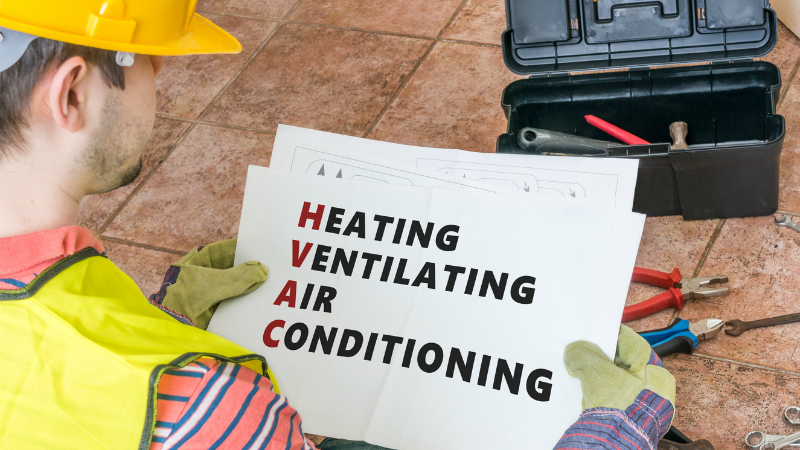
Here’s exactly what’s inspected on every visit:
- Checking the thermostat and calibrating it if needed
- Checking and tightening electrical connections
- Lubricating moving parts
- Inspecting the condensate drain
- Checking and cleaning components, such as the blower wheel, evaporator, and condenser coils
- Checking refrigerant in the air conditioner
- Checking gas/oil connections and lines in the furnace
- Checking system controls
- Checking all safety devices
Why Professional HVAC Maintenance Matters
While basic upkeep like changing filters and clearing debris helps your system run better, it only addresses surface-level issues. Professional HVAC maintenance goes much deeper by evaluating internal components that most homeowners can’t safely or effectively inspect. Technicians are trained to identify early warning signs such as worn electrical connections, restricted airflow, refrigerant imbalances, or failing components before they lead to costly breakdowns.
Another key advantage of professional maintenance is improved system efficiency. Clean coils, properly lubricated parts, and calibrated thermostats allow your HVAC unit to operate with less strain, which directly reduces energy consumption. Over time, this translates into noticeable savings on utility bills and more consistent indoor comfort throughout your home.
Safety is also a major factor. HVAC systems involve electricity, gas connections, and combustion processes that can pose risks if not properly maintained. Routine inspections help detect issues like carbon monoxide leaks, faulty wiring, or blocked drainage systems that could otherwise go unnoticed.
Ultimately, scheduling regular professional maintenance ensures your system runs reliably during peak seasons, extends equipment lifespan, and minimizes unexpected repairs. It provides peace of mind knowing your heating and cooling system is operating safely, efficiently, and as intended year-round.
Regular HVAC maintenance means lower energy bills, fewer emergency repairs, and a system that lasts years longer — which is why investing in regular HVAC unit maintenance is one of the smartest ways to protect your home comfort and budget. More importantly, it keeps your home safe — a cracked heat exchanger can leak carbon monoxide, and loose electrical connections are a leading cause of HVAC fires.
If you want peace of mind that your HVAC system is operating efficiently and safely, call us at QRC to learn about our HVAC unit maintenance program and choose the right service agreement for your home. We have three maintenance options depending on how many visits per year you desire, as well as different levels of added benefits. Contact us today to learn more.