


When you bought your home or replaced your heating and cooling system, it came with a manufacturer’s warranty. What you might not know is that this warranty likely has a crucial requirement hidden in the fine print: proof of annual professional service. Skipping a tune-up could give the manufacturer grounds to deny a claim, leaving you to pay for a major repair that should have been covered. Scheduling regular HVAC unit maintenance is the simplest way to protect your investment and keep your warranty valid. Beyond that, it ensures your system runs efficiently and provides clean, healthy air for your family. Let’s break down what a proper tune-up includes and how it safeguards your equipment.
Most homeowners don’t realize a professional HVAC tune-up covers more than a dozen system checks — and each one directly affects your energy bills, equipment lifespan, and safety, especially when following a structured HVAC preventive maintenance checklist to ensure nothing is overlooked. The actual tasks can vary because the components are different from one manufacturer to another and differ between electric and other types of equipment. Regardless, they’ll go far beyond the regular maintenance tasks you do yourself, such as change the filter regularly and keep debris and foliage away from the outdoor unit. 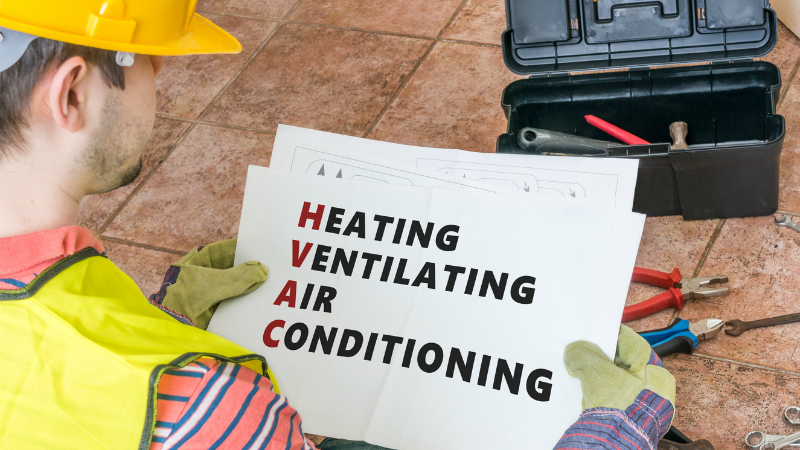 Here’s exactly what’s inspected on every visit:
- Checking the thermostat and calibrating it if needed
- Checking and tightening electrical connections
- Lubricating moving parts
- Inspecting the condensate drain
- Checking and cleaning components, such as the blower wheel, evaporator, and condenser coils
- Checking refrigerant in the air conditioner
- Checking gas/oil connections and lines in the furnace
- Checking system controls
- Checking all safety devices
Do I Really Need Professional HVAC Maintenance?
While basic upkeep like changing filters and clearing debris helps your system run better, it only addresses surface-level issues. Professional HVAC maintenance goes much deeper by evaluating internal components that most homeowners can’t safely or effectively inspect. Technicians are trained to identify early warning signs such as worn electrical connections, restricted airflow, refrigerant imbalances, or failing components before they lead to costly breakdowns.
Another key advantage of professional maintenance is improved system efficiency. Clean coils, properly lubricated parts, and calibrated thermostats allow your HVAC unit to operate with less strain, which directly reduces energy consumption. Over time, this translates into noticeable savings on utility bills and more consistent indoor comfort throughout your home.
Safety is also a major factor. HVAC systems involve electricity, gas connections, and combustion processes that can pose risks if not properly maintained. Routine inspections help detect issues like carbon monoxide leaks, faulty wiring, or blocked drainage systems that could otherwise go unnoticed.
Ultimately, scheduling regular professional maintenance ensures your system runs reliably during peak seasons, extends equipment lifespan, and minimizes unexpected repairs. It provides peace of mind knowing your heating and cooling system is operating safely, efficiently, and as intended year-round.
Regular HVAC maintenance means lower energy bills, fewer emergency repairs, and a system that lasts years longer — which is why investing in regular HVAC unit maintenance is one of the smartest ways to protect your home comfort and budget. More importantly, it keeps your home safe — a cracked heat exchanger can leak carbon monoxide, and loose electrical connections are a leading cause of HVAC fires. If you want peace of mind that your HVAC system is operating efficiently and safely, call us at QRC to learn about our HVAC unit maintenance program and choose the right service agreement for your home. We have three maintenance options depending on how many visits per year you desire, as well as different levels of added benefits. Contact us today to learn more.
The Key Benefits of Annual Tune-Ups
Beyond just keeping your system running, annual tune-ups offer tangible benefits that protect your investment, your health, and your wallet. Think of it like a yearly physical for the most expensive appliance in your home. This proactive approach helps you avoid the stress of a mid-summer breakdown or a winter heating failure. It’s about ensuring reliability when you need it most, maintaining a healthy living environment for your family, and making smart financial decisions. The three biggest advantages of committing to annual maintenance are keeping your warranty intact, breathing cleaner air, and creating a detailed service history that extends the life of your equipment.
Keeps Your Warranty Valid
Most people don’t read the fine print on their HVAC warranty, but it often contains a critical requirement: proof of annual professional maintenance. Many manufacturers, like Carrier, can void your warranty if you fail to schedule regular tune-ups. This means if a major component like the compressor fails, a repair that would have been covered could suddenly become a massive out-of-pocket expense. Scheduling a yearly service visit is a small step that protects you from potentially thousands of dollars in unexpected costs, ensuring your manufacturer’s guarantee remains in effect for its full term.
Improves Indoor Air Quality
Your HVAC system does more than just heat and cool; it circulates all the air inside your home. Over time, its internal components can accumulate dust, pollen, pet dander, and even mold. A professional tune-up involves cleaning these parts, which goes far beyond just changing the air filter. By removing these built-up contaminants, you directly improve your home’s indoor air quality. This can make a significant difference for anyone with allergies or asthma, reducing airborne irritants and helping everyone in your household breathe a little easier.
Builds a Valuable System History
Consistent annual maintenance creates a detailed service record for your HVAC system. Each visit allows a technician to document your unit’s performance, note any minor wear and tear, and track its efficiency over time. This history helps them spot developing issues before they become major problems, much like how a doctor uses your medical history to monitor your health. This long-term oversight not only helps extend the operational life of your equipment but also allows for more accurate and cost-effective recommendations when a repair or replacement is eventually needed.
What a Professional Tune-Up Actually Includes
A professional tune-up is far more than a quick visual inspection. It’s a comprehensive diagnostic and cleaning service where a trained technician examines the core functions of your heating and cooling system. They use specialized tools to measure performance, identify inefficiencies, and correct issues that could lead to future breakdowns. This detailed process ensures every part of your system is working in harmony to deliver safe, reliable, and efficient comfort. From checking electrical connections to cleaning critical components, here’s a closer look at what a true professional service entails.
Airflow Measurement and Correction
Proper airflow is the lifeblood of your HVAC system, and when it’s restricted, everything works harder. Issues like a clogged filter, a dirty blower wheel, or blocked vents can choke your system, and according to ENERGY STAR, airflow problems can reduce efficiency by up to 15%. During a tune-up, a technician will measure the airflow and check the static pressure in your ductwork to ensure it meets the manufacturer’s specifications. If they find a problem, they can pinpoint the cause and make corrections, restoring efficiency and ensuring conditioned air is distributed evenly throughout your home for consistent comfort in every room.
Coil and Fin Cleaning and Repair
Your HVAC system has two sets of coils that are essential for heat exchange: the evaporator coil (indoors) and the condenser coil (outdoors). Over time, these coils get caked with dirt, dust, and grime, which acts like a layer of insulation. This buildup forces your system to run longer and harder to cool or heat your home, driving up energy bills and causing premature wear. A technician will thoroughly clean these coils and straighten any bent fins to restore proper heat transfer. This single step can significantly improve efficiency and extend the lifespan of your unit.
Electrical and Safety Component Checks
Your HVAC system relies on a complex network of electrical components to function safely. During a tune-up, a technician will inspect and tighten all electrical connections, as loose wiring can be a serious fire hazard and can damage parts like the compressor. They will also test capacitors, relays, and other controls to ensure they are within their operational range. Most importantly, they check all safety mechanisms, including high-limit switches and, for furnaces, carbon monoxide detection systems. This part of the service is crucial for protecting both your equipment and your family.
Ductwork Leak Inspection
You can have the most efficient HVAC unit on the market, but it won’t matter if your ducts are leaking. Leaky ductwork can lose 20-30% of the air that moves through it, sending your heated or cooled air into the attic, crawlspace, or walls instead of your living spaces. This forces your system to work overtime to compensate, leading to high energy bills and uncomfortable, drafty rooms. As part of a thorough inspection, a technician will check for visible signs of leaks, disconnected joints, or poor insulation in your duct system and recommend sealing or repairs to ensure your conditioned air gets where it’s supposed to go.
DIY Maintenance Tasks for Homeowners
While professional tune-ups are essential, there are several simple tasks you can perform yourself to keep your HVAC system running smoothly between service visits. These DIY steps are all about maintaining a clean and clear environment for your unit to operate in. Think of it as the basic housekeeping that supports the deeper work your technician does. By taking on these five easy tasks, you can help improve efficiency, prevent common problems, and become more familiar with your home’s heating and cooling system. These actions empower you to play an active role in your home’s comfort and maintenance.
Safety First: Turn Off the Power
Before you do any hands-on work with your HVAC system, your absolute first step is to completely shut off the power. Your system has both an indoor and an outdoor unit, and you need to disable both to prevent the risk of electric shock or injury from moving parts. Start by turning off the furnace or air handler at your home’s main breaker panel. Then, head outside to the condenser unit and look for a nearby metal box, which is the disconnect switch. Open it and either pull out the block or flip the switch to the “off” position. This non-negotiable safety measure ensures you can work without any danger.
Keeping the Outdoor Unit Clear
Your outdoor condenser unit needs plenty of room to breathe. Its job is to release heat from your home, and it does this with a large fan that pulls air through the side fins. If these fins are blocked by leaves, grass clippings, or overgrown shrubs, the unit can’t work efficiently. Make it a habit to maintain at least a two-foot clearance around the entire unit. Regularly clear away any yard debris and trim back plants or bushes. This simple act of landscaping ensures proper airflow, which helps your system run cooler and more efficiently, especially during the hottest days of summer.
Checking the Condensate Drain Line
As your air conditioner cools your home, it also removes humidity from the air. This moisture collects and is funneled outside through a small pipe called the condensate drain line. If this line becomes clogged with algae or sludge, water can back up and overflow, potentially causing significant water damage to your home and creating a prime environment for mold growth. You can help prevent this by periodically checking the line’s exit point to ensure water is dripping out. Some homeowners also pour a cup of distilled vinegar down the line from the indoor unit to help kill any buildup.
Winterizing Your Outdoor Unit
Once cooling season is over, taking a few minutes to winterize your outdoor AC unit can protect it from the harsh elements. After turning off the power, gently hose down the unit to remove any accumulated dirt and debris from the fins. Once it’s dry, you can place a purpose-made cover or even just a piece of plywood over the top of the unit to keep leaves, ice, and snow from falling directly into it. Avoid wrapping the entire unit in a tarp, as this can trap moisture and lead to rust and corrosion. The goal is to protect it from falling debris, not to seal it up completely.
Performing Sensory Checks
One of the best things you can do is simply pay attention to your HVAC system. You know what it sounds and smells like during normal operation. Once a month, take a moment to listen for any new or unusual noises, such as rattling, grinding, or high-pitched squealing. Also, be aware of any strange odors, like a musty smell that could indicate mold or a burning smell that might signal an electrical issue. Catching these sensory clues early can be the key to identifying a problem before it turns into a catastrophic failure, letting you know it’s time to call a professional.
Scheduling and Best Practices for HVAC Care
Maintaining your HVAC system is all about consistency. Establishing a simple routine for both professional service and DIY tasks ensures your equipment is always ready to perform, no matter the season. By scheduling tune-ups at the right time of year and adopting a few good habits, you can maximize efficiency, extend your system’s lifespan, and keep your energy bills in check. These best practices aren’t complicated, but they make a world of difference in the long-term health and reliability of your home’s comfort system.
How Often Should You Schedule Maintenance?
For optimal performance and reliability, you should schedule professional HVAC maintenance twice a year. The best practice is to have your air conditioning system serviced in the spring, before the summer heat arrives, and your heating system serviced in the fall, before you need it for the winter. This ensures each system is cleaned, inspected, and calibrated right before its peak season of use. This biannual schedule helps catch potential issues early, preventing inconvenient breakdowns when you need your system most. At QRC, we make this easy with our service maintenance programs that keep your tune-ups on a regular, predictable schedule.
Don’t Forget to Change Your Air Filters
Changing your air filter is arguably the single most important maintenance task a homeowner can perform. A clogged filter forces your system to work harder to pull in air, which restricts airflow, reduces efficiency, and puts unnecessary strain on the blower motor. It also allows dust and debris to bypass the filter and settle on internal components, diminishing performance and air quality. Check your filter monthly and replace it as needed—typically every 1 to 3 months, depending on your home, pets, and the type of filter you use. This simple, inexpensive task pays huge dividends in system health and energy savings.
The 20-Degree Rule for Efficient Cooling
You can help your air conditioner operate more efficiently by managing your thermostat settings. A good rule of thumb, recommended by the Department of Energy, is to avoid setting your thermostat more than 20 degrees lower than the outside temperature. For example, if it’s 98°F outside, your system can reasonably maintain a temperature of around 78°F. Trying to force it to cool your home to 68°F will make it run constantly without ever reaching its goal, wasting a tremendous amount of energy. Sticking to this 20-degree difference helps your system run in shorter, more efficient cycles.
Budgeting for HVAC Maintenance and Repairs
Thinking about HVAC costs can be stressful, but a proactive approach to budgeting can make all the difference. Instead of waiting for an expensive emergency, you can plan for predictable maintenance costs and understand the value of investing in your system’s health. By treating maintenance as a regular part of your home budget, you can save money in the long run through improved efficiency and fewer surprise repairs. It’s about shifting your mindset from reactive spending to smart, preventative investment in one of your home’s most critical assets.
Understanding the Costs of a Tune-Up
An annual or biannual HVAC tune-up is a predictable and relatively small expense, typically costing between $100 and $200. When you compare that to the cost of an emergency repair—which can easily run into the hundreds or even thousands of dollars—the value is clear. Think of a tune-up as an investment that pays for itself. The energy savings from running a more efficient system, combined with the money saved by catching small problems before they become big ones, often exceeds the cost of the service itself. It’s a planned expense that helps you avoid much larger unplanned ones.
The Value of Service Maintenance Programs
One of the easiest ways to budget for HVAC care and ensure it never gets overlooked is to join a service maintenance program. These plans bundle your annual tune-ups into a predictable monthly or yearly payment and often come with valuable perks. Members typically receive priority scheduling, discounts on parts and labor for any needed repairs, and sometimes even waived diagnostic fees. A service maintenance program takes the guesswork out of maintenance, providing peace of mind that your system is always cared for while offering financial benefits that protect your budget.
At QRC, our service maintenance programs are designed to provide homeowners with priority service and potential savings on future repairs, ensuring your system is always in top condition.
The $5,000 Rule: When to Repair vs. Replace
When faced with a significant repair, it can be tough to decide whether to fix your old unit or invest in a new one. A helpful guideline is the “$5,000 Rule.” Simply multiply the estimated cost of the repair by the age of your HVAC unit in years. If the total is more than $5,000, replacement is often the more financially sound option. For example, a $1,000 repair on a 12-year-old unit ($1,000 x 12 = $12,000) strongly suggests it’s time to replace. This isn’t a hard-and-fast rule, but it provides a solid framework for making a decision. For expert advice tailored to your situation, our team can help you weigh your options, and we even offer Virtual Tele-Tech appointments to evaluate replacement possibilities.
Frequently Asked Questions
My HVAC system seems to be working fine, so why should I spend money on a tune-up? That’s a great question, and it gets to the heart of preventative care. A professional tune-up isn’t just for fixing things that are broken; it’s about keeping them from breaking in the first place. A technician can spot a worn part or a loose electrical connection long before it causes a system failure on the hottest day of the year. These visits also ensure your system is running efficiently, which saves you money on energy bills, and they include safety checks for issues like potential carbon monoxide leaks. Think of it as a small, smart investment to avoid a much larger, unexpected expense later.
Can I just do the maintenance myself instead of hiring a professional? Performing your own basic upkeep, like changing the air filter and keeping the outdoor unit clear of debris, is fantastic and absolutely helps your system. However, a professional service goes much deeper. Technicians use specialized tools to check things like refrigerant levels, motor performance, and electrical components, which isn’t safe or possible for most homeowners. They are trained to diagnose subtle issues that, if left unchecked, could lead to major damage. Your DIY tasks and a professional tune-up work together to give your system the best possible care.
How often do I really need to schedule a professional service? The best practice is to have your system serviced twice a year. Schedule a tune-up for your air conditioner in the spring to make sure it’s ready for the summer heat, and have your furnace or heating system checked in the fall before cold weather sets in. This ensures each system is cleaned and inspected right before its busiest season, which is the best way to prevent inconvenient breakdowns and ensure efficient operation when you need it most.
Is a service maintenance program actually worth the cost? Many people see them as a great way to manage their budget and stay on top of maintenance. Instead of a surprise bill, a service program turns your tune-ups into a predictable, planned expense. These plans often come with extra benefits, like discounts on any necessary repairs and priority scheduling if you have an emergency. It takes the guesswork out of caring for your system and can save you money and stress in the long run, especially if you do end up needing a repair.
What is the single most important thing I can do for my HVAC system myself? Without a doubt, it’s regularly changing your air filter. A clogged filter is one of the most common causes of system problems. It forces your equipment to work much harder to pull in air, which wastes energy and puts a lot of strain on the components. A dirty filter also can’t trap dust and allergens effectively, which hurts your indoor air quality. Checking your filter every month and replacing it when it’s dirty is a simple, inexpensive task that has a huge impact on your system’s health and efficiency.
Key Takeaways
- Protect Your Investment with Annual Service: Many HVAC warranties require proof of yearly professional maintenance to stay active. Scheduling these tune-ups not only safeguards you from unexpected repair costs but also improves system efficiency, leading to lower utility bills.
- Embrace Your Role in System Health: Professional maintenance is essential for internal components, but your part is just as important. Consistently changing your air filters and keeping the outdoor unit clear of leaves and shrubs are simple actions that prevent major airflow problems and support overall efficiency.
- Schedule and Budget Like a Pro: The best practice is to service your AC in the spring and your furnace in the fall to prepare for peak seasons. Joining a service maintenance program can make budgeting easier and often includes discounts on future repairs, turning a reactive expense into a planned investment.
Related Articles
- Your Free Home HVAC Maintenance Checklist PDF
- The Ultimate Guide to Equipment Maintenance
- The Ultimate HVAC Inspection Checklist for Homeowners