


You probably have a good grasp of how your home’s air conditioner works. But the system that heats and cools your business is a completely different beast. A commercial HVAC system is a complex, powerful piece of engineering designed for the unique demands of a large space, from sprawling warehouses to multi-story office buildings. With features like customized climate zones, advanced ventilation, and smart controls, its job is far more intricate than a simple residential unit. This article will demystify these powerful systems, explaining the key differences and what every business owner should know to manage their building’s environment effectively.
You may think the system currently installed in your commercial building will hold up for years and you’ll never have to worry about replacing it. And if you keep it maintained and schedule your routine service appointments regularly, then it will last a long time. But nothing is built to last forever. Eventually, the system will quit on you because it just can’t function anymore. And even if your system is still working, you don’t want to wait until it finally does quit to replace it. But your system wearing out isn’t the only reason to replace it.
What is a Commercial HVAC System?
At its core, a commercial HVAC system is a powerful, complex machine designed to do one thing: keep a large building comfortable and its air healthy. Unlike the unit at your house, these systems are engineered to handle the demands of spaces like offices, retail stores, warehouses, and restaurants. They are responsible for heating, ventilation, and air conditioning (HVAC) on a much larger scale. The goal is to maintain a steady, pleasant temperature—usually around 72 degrees—and manage humidity levels to keep them between 40% and 60%. This isn’t just about comfort; it’s about creating a productive and safe environment for employees and customers. Properly managed air quality also plays a huge role in preventing the spread of airborne contaminants, which is a top priority for any business.
The Main Goal: Comfort and Air Quality
Think of a commercial HVAC system as the lungs of your building. Its primary job is to create a consistently comfortable environment. This means heating the space when it’s cold, cooling it when it’s hot, and keeping the humidity just right. But it goes beyond temperature. A crucial function is maintaining high indoor air quality. The system constantly works to circulate air, bringing in fresh air from outside while pushing out stale, dirty air. This process helps keep carbon dioxide levels low and filters out dust, allergens, and other particles, ensuring the air your team and customers breathe is clean and healthy. It’s a balance of temperature control and air purification that defines a modern, effective system.
How Commercial Systems Heat and Cool
The mechanics of heating and cooling a commercial space are fascinating. For heating, most systems burn a fuel source like natural gas or oil, or they use electricity to warm air via a component called a heat exchanger. Another popular method is using a heat pump, which cleverly pulls heat from the outside air and moves it inside. When it’s time to cool things down, the system works like a super-powered refrigerator. It extracts hot air from inside the building, runs it over coils filled with refrigerant to cool it down, and in the process, removes excess humidity. This newly conditioned air is then distributed throughout the building, providing consistent relief from the heat.
The Role of Ventilation
Ventilation is the “V” in HVAC, and it’s absolutely essential for a healthy indoor environment. Commercial systems use a series of powerful fans and ducts to manage airflow. The process starts by drawing in fresh outdoor air, which is then filtered to remove pollutants. This clean air is often mixed with a certain amount of recirculated indoor air to save energy before being distributed throughout the building. At the same time, the system is constantly exhausting stale indoor air to the outside. This continuous exchange is vital for preventing the buildup of contaminants and ensuring everyone inside has fresh air to breathe.
Smart Controls: DDC Systems
Modern commercial HVAC systems are often managed by incredibly smart technology. Direct Digital Controls (DDC) are the brains of the operation. A central computer uses data from sensors placed throughout the building to automatically adjust temperatures, airflow, and even lighting to optimize comfort and efficiency. This means the system can respond in real-time to changing conditions, like a conference room filling up with people or the sun hitting one side of the building. Facility managers can easily monitor performance, adjust settings remotely, and receive alerts if something isn’t right, giving them precise control over the entire building’s climate.
Commercial vs. Residential HVAC: What’s the Difference?
While they share the same basic purpose, commercial and residential HVAC systems are worlds apart in their design, scale, and complexity. A residential unit is a self-contained system designed to heat and cool a single-family home. A commercial system, on the other hand, is a robust, often modular unit built to handle the massive and varied demands of a large building. Everything from the size and power to the drainage and control mechanisms is different. Understanding these distinctions is key for any business owner looking to install, upgrade, or maintain their building’s climate control system. It’s not just a bigger version of a home AC; it’s a completely different piece of engineering.
Scale and Placement
The most obvious difference is size. Commercial HVAC units are significantly larger and more powerful to handle greater square footage and higher occupancy loads. They are often designed in a modular fashion, meaning different components like the heating, cooling, and ventilation systems are housed in separate, accessible cabinets. This makes maintenance and repairs more straightforward. You’ll typically find these large units on the roof of a building to save space and minimize noise, though they can also be located in a dedicated utility room or on a concrete slab next to the building. This placement is a stark contrast to residential units, which are almost always located on the ground outside the home.
Customized Climate Zones
A single home usually has one thermostat controlling the temperature for the entire house. Commercial buildings, however, have much more diverse needs. An office building might have a server room that needs to stay extra cool, conference rooms that are only used periodically, and individual offices with different temperature preferences. Commercial systems are designed for this, using a zoning system that allows for precise temperature control in different areas of the building simultaneously. This ensures every part of the space remains comfortable and energy isn’t wasted heating or cooling unoccupied areas, providing a level of customization that residential systems simply can’t match.
Drainage and Condensation
All air conditioners produce condensation as they cool the air and remove humidity. In a residential system, this is managed by a single drain pan and a relatively simple pipe. Because commercial systems are so much larger and run more frequently, they produce a massive amount of water. To handle this, they feature a complex network of multiple pipes and drain pans to collect and dispose of the condensation safely. This intricate drainage system is essential to prevent water damage, mold growth, and other moisture-related issues within a large commercial structure.
“Free Cooling” with Economizers
One of the smartest features found in many commercial systems is an economizer. This component is designed to save energy by taking advantage of cool outdoor air. When the outside temperature and humidity are low enough, the economizer will draw that cool, fresh air into the building to reduce the need for mechanically cooled air from the compressor. This “free cooling” can lead to significant energy savings, especially during the spring and fall. It’s an efficient, cost-effective feature that is almost exclusively found on commercial HVAC systems due to their scale and ventilation capabilities.
Common Types of Commercial HVAC Systems
There isn’t a one-size-fits-all solution when it comes to commercial HVAC. The right system depends on the building’s size, layout, and specific needs. From compact rooftop units to massive water-chilled systems, the technology varies widely. Each type offers a unique set of benefits, whether it’s space-saving design, energy efficiency, or the ability to create highly customized climate zones. As experts in both industrial and commercial HVAC, we can help you determine the perfect fit for your facility. Understanding the most common types is the first step in making an informed decision for your business.
Rooftop Units (RTUs)
Rooftop units, or RTUs, are one of the most common sights on top of commercial buildings for a good reason. These are all-in-one “packaged” systems, meaning all the major components—the compressor, condenser, and air handler—are contained within a single, durable cabinet. This design makes them relatively easy to install and service, as technicians have access to everything in one place. RTUs are a practical and popular choice for small to medium-sized commercial spaces like retail stores, restaurants, and low-rise office buildings, offering a reliable and space-saving solution for climate control.
Split and Multi-Split Systems
A split system is structured much like a typical residential unit, with an outdoor component (the condenser) and an indoor component (the air handler or furnace). These are connected by refrigerant lines. In a commercial setting, you might see a multi-split system, where a single, powerful outdoor unit is connected to multiple indoor units. This allows for zoned temperature control without the need for extensive ductwork, making them a flexible option for buildings with distinct rooms or areas, such as medical offices, small office buildings, or server rooms that require dedicated cooling.
Chiller Systems
For very large buildings like hospitals, skyscrapers, and university campuses, a chiller system is often the most efficient choice. Instead of cooling air directly with refrigerant, chillers cool water, which is then pumped through a network of pipes to air handlers throughout the building. These air handlers then use the chilled water to cool the air. While the initial setup is complex and requires a lot of equipment, including cooling towers, chillers are incredibly energy-efficient when it comes to cooling massive spaces, making them the go-to for large-scale commercial applications.
Variable Refrigerant Flow (VRF) Systems
Variable Refrigerant Flow (VRF) systems are a newer, highly efficient technology. They operate similarly to multi-split systems but with more advanced capabilities. A central outdoor unit sends refrigerant to numerous indoor units, and the system can precisely vary the amount of refrigerant flowing to each one. This allows for simultaneous heating and cooling in different zones—one room can be heated while another is cooled. VRF systems are often ductless and are known for their quiet operation and exceptional energy efficiency, making them a premium choice for modern office buildings, hotels, and mixed-use facilities.
Variable Air Volume (VAV) Systems
Variable Air Volume (VAV) systems are designed for efficiency and precise temperature control. Unlike systems that simply turn on and off, a VAV system constantly adjusts the amount of conditioned air sent to a specific zone based on its current temperature. It does this by modulating a damper in the ductwork. The system’s fan speed and compressor also adjust their output to match the building’s real-time needs. This continuous modulation ensures temperatures remain steady while using only the amount of energy that is absolutely necessary, making VAV systems a smart choice for buildings with fluctuating occupancy levels.
Why should you upgrade your HVAC system?
1. If you’re system is close to the end of it’s lifespan. Your equipment will last you roughly 10 to 20 years. And that is assuming you’re maintaining your system. You don’t want to have to close your building for an extended period of time because you waited until it stopped working to replace it. Especially if it’s unexpected. When you schedule a replacement you can prepare the tenants in your building(s) and may not even have to close your building, depending on the time of year and the weather. 2. If you’re renovating your building. When you’re renovating your building, it’s a good opportunity to go ahead and get the work done to replace your commercial HVAC system. And, depending on how you’re renovating the building, a change in the space used throughout your building could require an expansion of your system. 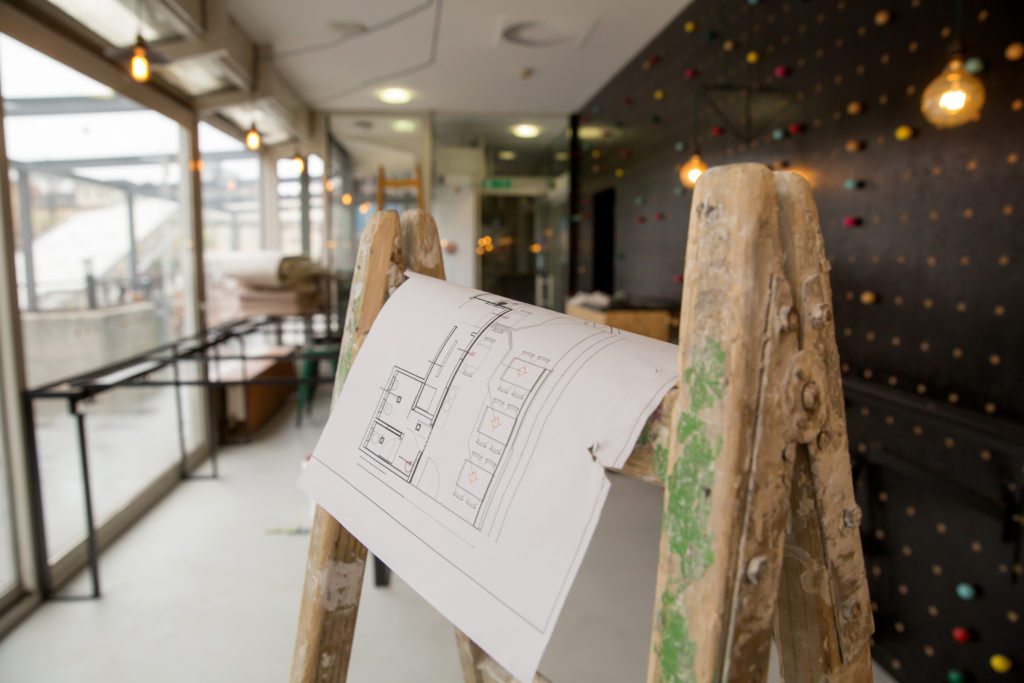 3. If your building is expanding and needs better service. Also, in continuation of the last reason, if you’re expanding your building you will need to also expand your HVAC system. But if you notice that your building is not properly heated, cooled, and ventilated, you may need a better system. While your current one may still work, if it’s older it may not operate at full capacity. To improve your building’s overall HVAC service, you may need to upgrade your system. 4. If you want to increase energy efficiency – go green! Not only will you save money by upgrading your commercial HVAC system to a new, more efficient one, but it can also serve as good PR for your company. The trend of going green and being environmentally-friendly aren’t going away, it’s only getting stronger! People love to support companies and businesses who care about the environment. And newer commercial HVAC units have SO many new features, making them more efficient, green, and capable of saving you some major cash!
Why Professional Installation and Maintenance Are Non-Negotiable
Once you’ve decided to upgrade your commercial HVAC system, the next steps are just as critical as the purchase itself. Investing in a high-quality unit is only half the battle; ensuring it’s installed and maintained by professionals is what guarantees its performance, efficiency, and longevity. Think of it as protecting your investment. Cutting corners here can lead to significant problems and expenses down the road, turning a smart upgrade into a source of constant frustration. Proper care from day one ensures you get the full value and reliability you expect from your new system, keeping your building comfortable and your operating costs in check for years to come.
The Impact of Proper Installation
You can buy the most advanced, energy-efficient HVAC system on the market, but its performance hinges entirely on the quality of the installation. According to industry research, a bad installation can reduce your system’s efficiency by as much as 30%. That means you’re immediately losing nearly a third of the energy savings you paid for. An improper installation can lead to incorrect refrigerant levels, leaky ductwork, and poor airflow—all of which force the system to work harder than it should. This not only drives up your energy bills but also puts unnecessary strain on components, leading to premature wear and tear and a shorter lifespan for your equipment. Professional installation by certified technicians ensures every component is set up according to manufacturer specifications for optimal performance.
Benefits of Routine Maintenance
After a professional installation, the single best thing you can do for your HVAC system is to commit to regular maintenance. It’s the difference between proactive care and costly, reactive repairs. Enrolling in service maintenance programs allows technicians to catch small issues like worn belts or dirty coils before they escalate into major system failures that could shut down your business. Furthermore, preventative maintenance is proven to keep your system running at peak efficiency. Studies show that regular tune-ups can lower your energy costs by anywhere from 5% to 40%. A well-maintained system simply uses less energy to heat and cool your space, saving you money every month and extending the life of your equipment.
Choosing the Right System for Your Business
Selecting the right commercial HVAC system isn’t a one-size-fits-all decision. The ideal unit for a sprawling industrial warehouse will be completely different from what’s needed for a multi-story office building or a small retail shop. The best system for your building is one that’s tailored to its unique demands, ensuring you get the most value for your money. Making the right choice involves carefully considering several factors, from the size and layout of your space to how it’s used day-to-day. Partnering with an experienced HVAC provider can help you assess these needs accurately, ensuring you invest in a system that delivers reliable comfort and efficiency without being oversized or underpowered for the job.
Key Factors in Your Decision
To find the perfect fit, you need to look beyond the price tag and consider how the system will function in your specific environment. Key factors include the building’s square footage, ceiling height, insulation quality, and the number of windows. You should also think about the building’s purpose—an office with dozens of heat-producing computers has different needs than a restaurant kitchen. The local climate in areas like Winston-Salem or Charlotte also plays a huge role. A professional consultation is the best way to weigh these variables. Experts can perform a load calculation to determine the precise heating and cooling capacity your building requires, ensuring you don’t overspend on a system that’s too powerful or end up with one that can’t keep up on the hottest days.
Decoding Efficiency Ratings
When comparing different HVAC units, you’ll come across acronyms like SEER and AFUE. These aren’t just technical jargon; they are your key to understanding a system’s long-term operating costs. SEER (Seasonal Energy Efficiency Ratio) measures cooling efficiency, while AFUE (Annual Fuel Utilization Efficiency) measures heating efficiency. The higher the rating, the less energy the unit consumes to do its job. According to HVAC industry experts, choosing units with high SEER and AFUE ratings is the most effective way to save money on utility bills over the life of the system. While high-efficiency models may have a higher initial cost, the energy savings often provide a significant return on your investment over time.
If you need to replace your current commercial HVAC system, call QRC today. We can find the perfect system for your specific building’s needs.
Frequently Asked Questions
Is it really worth upgrading my HVAC system if it’s still running? That’s a fair question, and one many business owners ask. While your current system might be functional, it could be costing you more than you realize. Older units are significantly less energy-efficient, which means you’re likely overpaying on utility bills every single month. They are also more prone to sudden, expensive breakdowns that can disrupt your business. Upgrading is a proactive investment in reliability and lower operating costs, not to mention better air quality for your employees and customers.
How often should I have my commercial HVAC system serviced? Because commercial systems work so much harder than a home unit, they need more frequent attention. We generally recommend a professional maintenance check at least twice a year, once before the cooling season and once before the heating season. For systems in high-demand environments like restaurants or manufacturing facilities, quarterly service is an even better idea. Consistent tune-ups keep the system running efficiently, prevent unexpected failures, and extend its lifespan.
My building has really inconsistent temperatures—some rooms are freezing while others are stuffy. Can a new system fix that? Absolutely. That’s a classic sign that your current system isn’t distributing air effectively. Modern commercial systems are designed to solve this exact problem with advanced zoning capabilities. Technologies like Variable Air Volume (VAV) or Variable Refrigerant Flow (VRF) allow you to set different temperatures for different areas of your building. This means the server room can stay extra cool while the front offices remain comfortable, eliminating those hot and cold spots for good.
What’s the biggest mistake business owners make with their HVAC systems? The most common mistake is treating it as an “out of sight, out of mind” piece of equipment. Many people wait until the system breaks down completely to call for service. Neglecting routine maintenance is the fastest way to drive up energy costs, shorten the equipment’s lifespan, and face a major, business-halting failure at the worst possible time. Proactive care is always less expensive and less stressful than a reactive emergency repair.
How much downtime should I expect when replacing a commercial HVAC system? This is a major concern for any business, and a professional installation team plans for it carefully. The exact timeline depends on the size and complexity of your system, but the goal is always to minimize disruption. A good contractor will work with you to schedule the replacement during your slowest periods, such as overnight or on a weekend. With proper planning, the transition can be surprisingly smooth, often with little to no impact on your daily operations.
Key Takeaways
- Recognize that commercial HVAC is a different league: Your business’s system is built for much more than just temperature control; it manages complex needs like zoned climates for different rooms and robust ventilation for better air quality, which a residential unit can’t handle.
- Match the HVAC type to your business needs: There’s no one-size-fits-all solution. A professional evaluation of your building’s size, layout, and daily use is essential to determine if a rooftop unit, chiller, or another system will provide the most efficient performance.
- Protect your investment with professional service: The performance of your new HVAC system depends entirely on its installation and upkeep. A proper setup prevents major efficiency loss, and consistent maintenance is the key to avoiding surprise breakdowns and extending the life of your equipment.