


As temperatures drop, your heating bills inevitably rise. But how much they rise is largely within your control. A poorly prepared building can leak heat from countless places, forcing your HVAC system to work overtime and driving up your energy costs. Sealing the building envelope, performing routine maintenance on your furnace or boiler, and even adjusting your thermostat strategy can lead to significant savings. This guide focuses on practical ways to improve your building’s energy efficiency before the cold sets in. Preparing your winter commercial property is one of the smartest investments you can make to manage your operational budget and keep your utility costs predictable.
As the weather begins to turn cold, it’s important to get your commercial property ready for the winter months. By taking just a few of these steps, you can save money through the season.
Find the Sweet Spot for Your Thermostat
This may seem obvious, but it can be hard to do this with a commercial building where you have many occupants with conflicting opinions about the temperature of the building. If you can, encourage occupants to bring a jacket to work or even a blanket they can use at their own desk so that you can take advantage of using lower heat settings. You shouldn’t leave your heaters completely off because this could cause your pipes to freeze.
Be Proactive With a Winter Maintenance Strategy
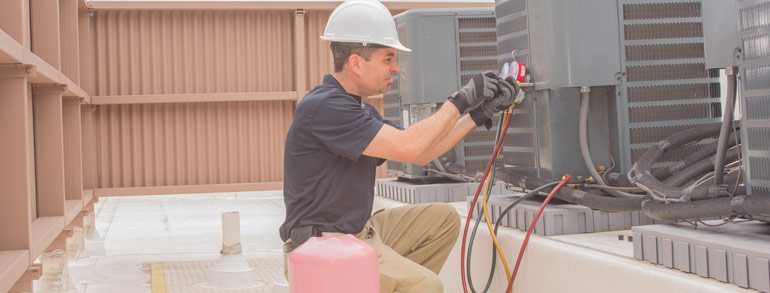
When it comes to winter, the best defense is a good offense. Implementing a proactive maintenance strategy for your commercial property is essential for keeping occupants safe, protecting your investment, and keeping your budget on track. Waiting for a critical system to fail during a cold snap often leads to emergency calls, operational downtime, and far more expensive repairs. A little preventative care before the temperature drops can make all the difference. By scheduling inspections and tune-ups ahead of time, you can identify and address minor issues before they escalate into major headaches. This approach ensures your building is prepared to handle whatever the winter season throws its way, giving you peace of mind and predictable operational costs.
A solid winter maintenance plan goes beyond just checking the thermostat. It involves a comprehensive evaluation of your building’s most vital systems, especially the ones that work hardest during the cold months. Your heating system, whether it’s a furnace, boiler, or rooftop unit, needs to be in peak condition to perform efficiently and reliably. This is where having a trusted partner can simplify the process. Our team specializes in a full range of commercial services designed to get your property ready for winter. We can inspect your equipment, clean components, and ensure everything is functioning correctly, so you can focus on running your business without worrying about unexpected system failures.
Why Preventative Maintenance Matters
Think of preventative maintenance as a regular health check-up for your building. It’s all about catching potential issues before they turn into costly emergencies. For instance, a thorough roof inspection can uncover damaged shingles or clogged gutters that could lead to serious leaks and structural damage once heavy snow and ice arrive. Similarly, having your heating systems professionally serviced is critical. As a checklist from WorkSpace points out, having systems professionally checked and cleaned not only keeps the building warm but also improves energy efficiency, which can lead to significant savings on your utility bills. Taking these proactive steps creates a safer environment for everyone and helps you avoid the high costs and stress of reactive repairs down the line.
Prepare Your Building’s Exterior and Grounds
Your building’s exterior is its first line of defense against harsh winter weather. Taking the time to inspect and prepare the outside of your property can prevent costly damage from snow, ice, and freezing temperatures. A well-maintained exterior also works hand-in-hand with your heating system, ensuring that the warm air your furnace produces stays inside where it belongs. A holistic approach that includes both your internal systems and the building’s shell is the most effective way to manage energy costs and keep your facility protected throughout the season. These steps will help you create a solid winter preparation strategy for your property’s exterior and grounds.
Inspect the Roof and Clear Gutters
Your roof and gutters are critical for managing winter precipitation. Before the first freeze, it’s essential to perform a thorough inspection. Look for any missing, loose, or damaged shingles and check the flashing around vents and chimneys to ensure it’s secure. Clogged gutters are a major source of winter problems; when leaves and debris prevent water from draining, it can freeze and create heavy ice dams. This weight can damage your gutters and roofline, and as the ice melts, water can seep under your shingles, leading to leaks and significant water damage inside your building. Clearing them out is a simple but vital task that protects your entire structure.
Seal the Building Envelope
Think of your building’s “envelope” as the complete outer shell that separates the inside from the outside—this includes the walls, foundation, windows, doors, and roof. When this envelope has gaps or cracks, you’re not just letting in cold air; you’re letting heated air escape. This forces your commercial HVAC system to work much harder to maintain a comfortable temperature, driving up your energy bills. Sealing the building envelope is one of the most effective ways to improve energy efficiency and reduce heating costs before the cold weather sets in.
Check for Drafts Around Windows and Doors
Drafty windows and doors are common culprits for heat loss. Take a walk through your facility on a breezy day to check for air leaks around all exterior doors and windows—you can often feel the drafts with your hand. These small gaps can add up to significant energy waste. Address them by applying new caulk around window frames and installing fresh weatherstripping along the edges of doors. It’s a small investment of time and materials that pays off by keeping your occupants more comfortable and lowering the strain on your heating equipment.
Seal Cracks in the Foundation and Walls
Don’t forget to inspect the base of your building. Small cracks in the foundation or exterior walls might not seem like a big deal, but they can create significant problems during winter. Water can seep into these cracks, and when it freezes, it expands, making the cracks larger and potentially compromising your building’s structural integrity over time. A thorough walk-around inspection will help you spot these issues. Sealing these openings with the appropriate masonry or concrete sealant not only prevents water damage but also helps keep pests from seeking shelter inside your warm building as temperatures drop.
Maintain the Grounds and Landscaping
Preparing your property’s landscaping for winter is about more than just curb appeal; it’s a crucial safety measure. Winter storms can bring heavy snow and high winds, which can turn unmanaged trees and shrubs into serious hazards. A little bit of cleanup and preparation in the fall can protect your building, your employees, and your visitors from potential harm. It also ensures your landscaping will be healthy and ready to thrive again in the spring, saving you the cost of replacing damaged plants or irrigation equipment.
Trim Overhanging Trees and Branches
Take a close look at any trees on your property, especially those with branches hanging over your roof, parking areas, or walkways. The weight of heavy snow and ice can easily snap weak, dead, or overgrown branches. When they fall, they can cause serious damage to your building, vehicles in the parking lot, or even injure someone on the premises. Proactively trimming back any dead or overhanging limbs is a simple way to mitigate this risk. It’s a key step in protecting your assets and ensuring a safe environment during a winter storm.
Winterize Your Irrigation System
If your property has an irrigation or sprinkler system, it’s critical to winterize it before the first hard freeze. Any water left in the pipes and sprinkler heads will freeze and expand, which can cause pipes to burst and heads to crack. The resulting repairs can be expensive and time-consuming come springtime. Properly winterizing the system involves shutting off the main water supply and blowing out all the lines with compressed air to ensure they are completely empty. This prevents costly damage and ensures your system is ready to go when the growing season returns.
Check Exterior Lighting
As the days get shorter, proper exterior lighting becomes more important than ever for safety and security. Dark parking lots and walkways can be hazardous, increasing the risk of slips, falls, and other accidents. Before the time change, walk your property at dusk to check that all exterior lights are functioning correctly. Replace any burnt-out bulbs, clean dirty fixtures to maximize brightness, and check that any timers are adjusted for the earlier sunset. Well-lit grounds provide a safer environment for employees and visitors arriving early or leaving after dark.
Secure Loose Outdoor Items
Winter storms often come with strong winds that can turn unsecured items into dangerous projectiles. Take inventory of anything on your grounds that could be picked up by the wind. This includes outdoor furniture, benches, planters, trash receptacles, and any temporary signage. Make a plan to either move these items into storage for the winter or ensure they are securely fastened down. This simple step protects your property from damage and also prevents your items from harming neighboring buildings or parked cars, reducing potential liability.
Get Your Commercial HVAC System Ready for Winter
We went into detail on this in a previous blog post you can find here: Importance of Preparing Your Commercial HVAC System for Winter. But ultimately, it’s important to make sure your heaters are serviced because you haven’t used them in at least six months. And you should also have the components of your commercial HVAC system that are working hard all year long checked before a major seasonal change.
Know Your Water Shut-Off Valve Location
One of the most important things you can do to prepare for winter is to locate your property’s main water shut-off valve. When temperatures drop, the risk of a frozen pipe bursting increases significantly. If this happens, being able to quickly stop the flow of water can mean the difference between a minor issue and catastrophic damage that disrupts your business. Experts emphasize that knowing your shut-off valve’s location is a critical preventative measure for protecting your building. Take a moment now to find the valve—typically in a basement, utility closet, or crawl space—and make sure it’s clearly labeled. It’s also a good idea to show key staff members where it is. A reliable heating system is your best defense against frozen pipes, so keeping up with routine commercial HVAC maintenance is essential. But even with a perfectly running system, knowing how to respond in an emergency is just as crucial.
Update Your Emergency and Safety Plans
Winter weather can be unpredictable, bringing everything from heavy snow to ice storms that can lead to power outages. It’s a good time to review your building’s emergency protocols to ensure everyone stays safe. This goes beyond just having a plan on paper; it means checking your physical safety equipment. Make sure emergency kits are fully stocked and that fire extinguishers are inspected and accessible. A critical part of your emergency plan is ensuring your building’s core systems can withstand the strain of winter. A heating system failure during a blizzard isn’t just an inconvenience—it’s a major safety risk that can lead to frozen pipes and unsafe conditions for anyone inside. Regular preventative maintenance on your HVAC system is a key step in mitigating this risk.
Beyond immediate safety measures, you should also prepare for the operational side of winter weather. Take a look at your property insurance policy to confirm you have adequate coverage for winter-related damage, like burst pipes or roof issues from heavy snow. This simple check can save you from major financial headaches down the road. You also need a solid plan for snow and ice removal. Whether you hire a professional service or handle it with your own team, being proactive is essential. Keeping walkways and parking lots clear not only ensures people can safely access the building but also helps you maintain business operations during severe weather events.
Test Your Smoke and Carbon Monoxide Detectors
While these alarms are just as important in the summer, this time of year is a great time to check them. Just before you start using the heat or gas in your commercial building. It’s also important if you choose to use, or allow your tenants / occupants to use, space heaters, heating blankets, or anything that increases your risk of a fire. Keep your occupants safe and ensure these alarms are fully functioning before it’s too late!
Insulate Exterior Pipes to Prevent Freezing
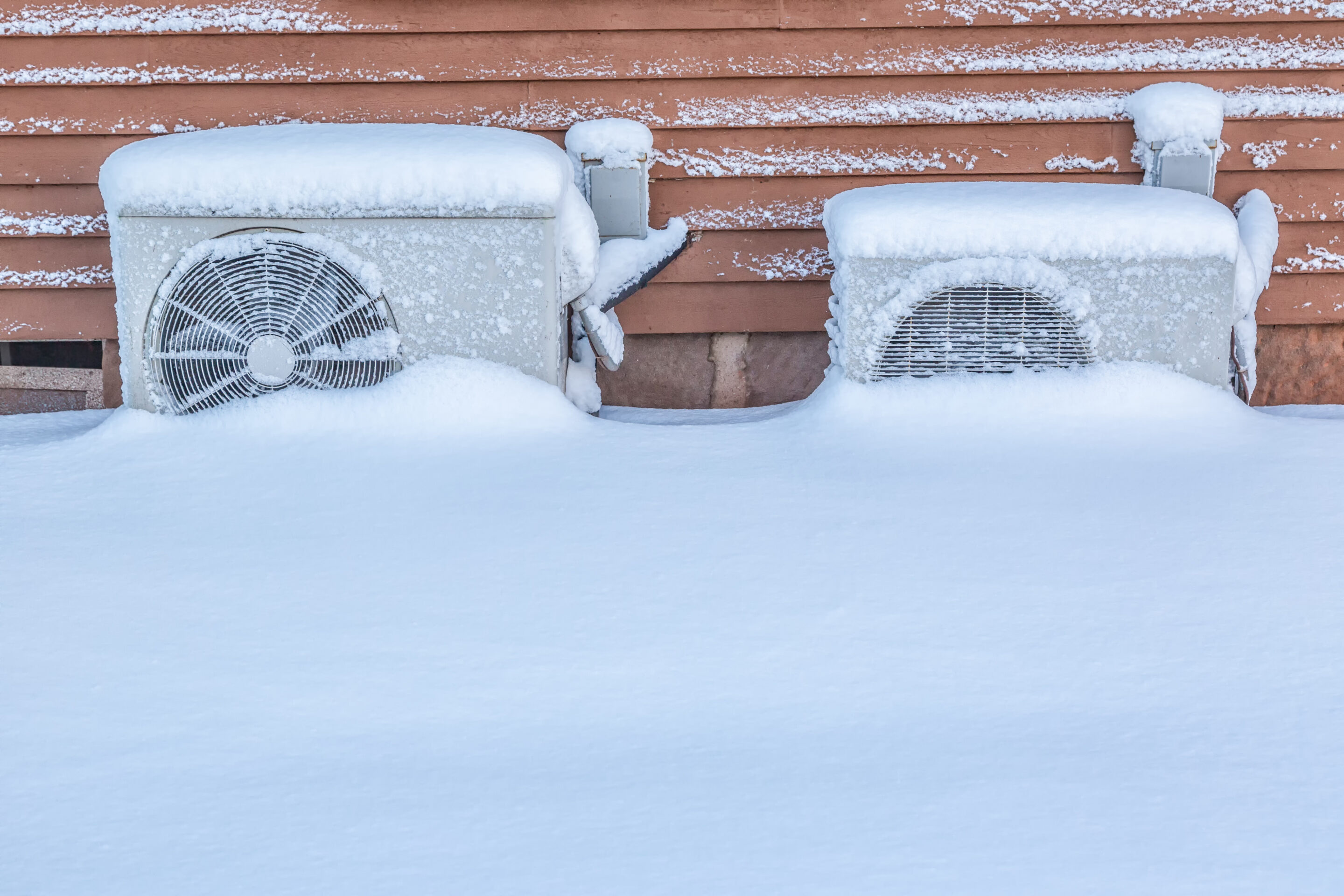
While the heat will help keep your interior pipes intact, you should make sure your exterior pipes have enough insulation to prevent them from freezing. And don’t wait until the temperatures really start dropping before you get those pipes checked! By preparing ahead of the season, you can prevent an unwanted pipe burst that could end up being costly and a big mess overall, especially in a commercial building!
Prepare for Snow and Ice Removal
A winter storm can make your property’s walkways and parking lots hazardous for employees and customers. It’s smart to have a solid plan in place before the first flakes fall. Decide whether you’ll hire a professional service or manage snow and ice removal with your own team. If you’re handling it yourself, stock up on essentials like ice melt, sand, and shovels now so you aren’t scrambling during a storm. A proactive approach ensures your property remains safe and accessible, which is crucial for business continuity and reducing the risk of slip-and-fall accidents. You can arrange for snow removal ahead of time to ensure you’re covered all season long.
Check Fire Extinguishers and Emergency Kits
With your heating system working overtime during the winter, the risk of fire can increase. This makes it the perfect time to double-check your building’s fire safety equipment. Walk through your property and inspect all fire extinguishers to ensure they are fully charged, easily accessible, and not expired. It’s also a good idea to have a well-stocked emergency kit on hand for power outages or other weather-related incidents. Taking a few moments to check that fire extinguishers are working and your emergency supplies are ready can make a significant difference in keeping everyone safe.
Address Other Winterization Details
Once you’ve handled the major systems like your HVAC and plumbing, it’s time to turn your attention to the smaller, but equally important, details. These next steps help protect your building from other common winter issues, ensuring your property is secure from top to bottom. Taking care of outdoor equipment and preventing pests from moving in are proactive measures that prevent unexpected headaches and expenses when the cold weather hits. A little effort now goes a long way in maintaining a safe and functional environment for everyone in your building throughout the season.
Winterize Outdoor Machinery
Any machinery left outside is vulnerable to the harsh effects of winter weather. Equipment like landscaping tools, pressure washers, and backup generators should be properly prepared for the cold and stored securely. This might involve draining fluids, cleaning components, and moving them to a protected shed or garage. Forgetting this step can lead to cracked engine blocks, rusted parts, and costly repairs or replacements come spring. This also applies to outdoor components of your building’s systems, like rooftop HVAC units, which need professional attention to ensure they can handle the freezing temperatures and winter precipitation. A thorough check-up is a key part of any solid commercial services plan.
Implement Pest Control Measures
As the temperature drops, your warm building looks like a five-star resort to pests like rodents and insects seeking shelter. Before they check in for the winter, take a walk around your property to seal up any potential entry points. Look for cracks in the foundation, gaps around pipes and utility lines, and holes in the siding. Sealing these openings is your first line of defense. Pests aren’t just a nuisance; they can cause serious damage by chewing through wiring, destroying insulation, and creating unsanitary conditions. Scheduling a professional pest control inspection can help you identify and address vulnerabilities you might have missed.
Finalize Administrative Tasks
With the physical preparations underway, it’s time to get your administrative house in order. The behind-the-scenes planning is just as critical as the hands-on work. Making sure your insurance is up to date and that everyone in your building is on the same page creates a solid foundation for a smooth and safe winter. These final tasks ensure you’re prepared not just for the weather, but for any operational challenges that might come with it. This is about protecting your investment and ensuring clear communication for all your tenants.
Review Your Property’s Insurance Policy
Don’t wait for a winter storm to find out what your insurance policy does and doesn’t cover. Take some time to review your coverage, paying close attention to winter-related damage. Are you protected against issues like burst pipes, roof damage from heavy snow or ice dams, or slip-and-fall incidents on icy walkways? If the language in your policy is unclear, call your insurance agent to get clarification in plain English. Understanding your coverage ahead of time allows you to address any gaps and gives you peace of mind knowing your property is financially protected against the season’s worst-case scenarios.
Communicate Winter Plans with Tenants
Clear and timely communication is key to keeping your tenants safe and happy during the winter months. Let them know about your plans for snow and ice removal, including timelines and which areas will be prioritized. Share emergency contact information for property management and essential services. It’s also helpful to provide a few safety tips, like reminding them to keep personal space heaters away from flammable materials and to never use ovens for heat. When tenants know you have a plan and are being cared for through proactive service maintenance programs, it builds trust and encourages cooperation.
If you need any help preparing your commercial property for the winter, call QRC today. We can help you service your commercial HVAC system and give you more tips to save energy and stay safe this upcoming winter!
Frequently Asked Questions
When is the best time to start preparing my commercial property for winter? Ideally, you should begin your winter preparations in the early fall. This gives you plenty of time to schedule professional services, like an HVAC tune-up, before technicians get booked solid for the season. It also allows you to inspect the building’s exterior and make repairs in comfortable weather, rather than rushing to fix a problem during the first cold snap.
My tenants always complain about the temperature. How can I lower heating costs without constant pushback? This is a common challenge, and the key is communication. Instead of just turning down the heat, explain to your tenants that you’re working to keep operational costs reasonable for everyone. Encourage them to dress in layers and consider allowing personal items like desk blankets. Finding a moderate thermostat setting and then sealing drafts around windows and doors ensures the heat you are paying for stays inside, creating a more consistent and comfortable environment overall.
Sealing small cracks and drafts seems like a minor fix. Does it actually make a difference? Absolutely. While one tiny crack might seem insignificant, the combined effect of many small leaks throughout a building is substantial. Think of it as leaving a window wide open. These gaps force your heating system to run constantly to make up for the escaping warm air, which directly translates to higher energy bills. Sealing the building envelope is one of the most cost-effective ways to improve efficiency and reduce strain on your HVAC equipment.
What are the most critical tasks I should hire a professional for versus what I can handle myself? You can certainly handle tasks like checking for drafts, testing smoke detectors, and ensuring outdoor items are secure. However, anything involving your building’s core systems should be left to a professional. This includes comprehensive HVAC inspections and maintenance, roof inspections, winterizing irrigation systems, and any electrical work. Professionals have the right tools and expertise to spot potential issues that aren’t obvious, ensuring the job is done safely and correctly.
Besides the HVAC system, what is one commonly overlooked area that can cause major winter problems? Water management is often overlooked but can lead to some of the most expensive winter damage. Specifically, clogged gutters are a huge risk. When they can’t drain properly, water freezes and creates heavy ice dams that can damage your roof and lead to serious interior leaks. Similarly, not knowing the location of your main water shut-off valve can turn a burst pipe from a manageable issue into a catastrophic flood.
Key Takeaways
- Get Your HVAC System Winter-Ready: Don’t wait for a breakdown in freezing temperatures. Schedule a professional tune-up for your heating system now to ensure it runs efficiently, which helps lower your energy bills and prevent expensive emergency repairs.
- Stop Paying to Heat the Outdoors: Your building’s outer shell is the first line of defense against high utility costs. Walk your property to seal drafts around windows and doors, clear gutters to prevent ice dams, and patch foundation cracks to keep warm air in and cold air out.
- Create a Clear Plan for Winter Hazards: Know the location of your main water shut-off valve to prevent major damage from a burst pipe. Test all smoke and carbon monoxide detectors, and communicate your snow removal and emergency plans to tenants so everyone stays safe and informed.