


You wouldn’t start a long road trip without checking your car’s oil and tires. Your air conditioner deserves the same attention before it embarks on its marathon run through the summer. An annual AC tune-up is like a pre-season check-up for your home’s most valuable player, ensuring it performs reliably when you need it most. Neglecting this simple maintenance can lead to surprise repairs and uncomfortable, sticky days. In this post, we’ll cover why this service is a smart investment, what our technicians look for, and how it helps you avoid the stress of a system failure.
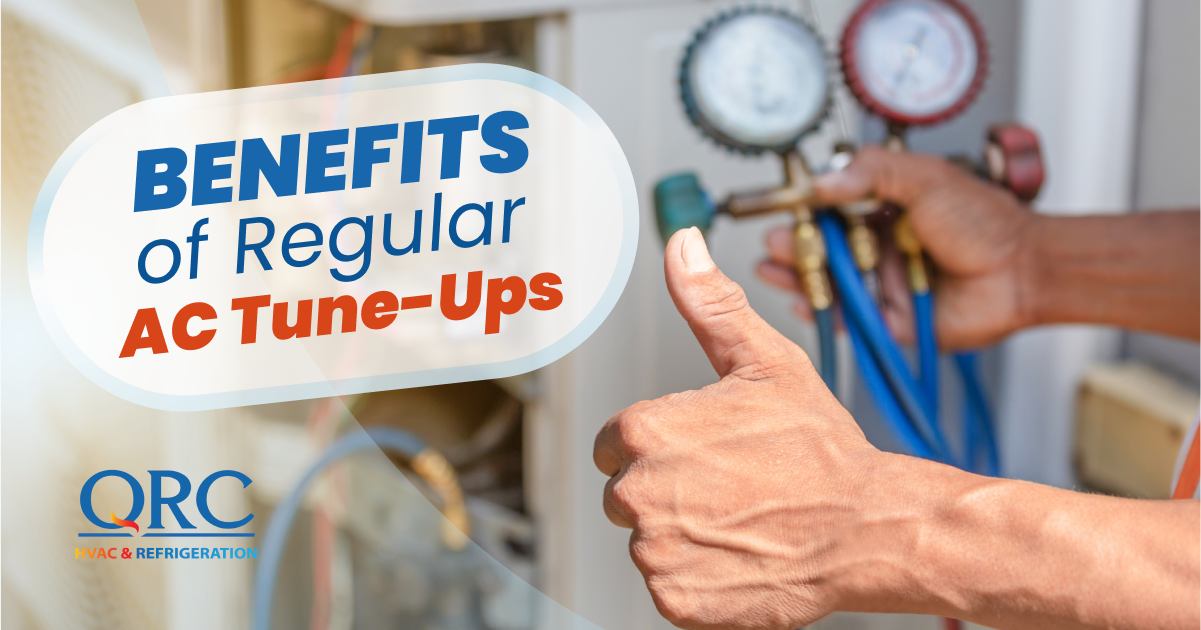 In hot climates, air conditioning is more than a comfort enhancer. An efficient AC can help you get a good night’s sleep and keep your house at a comfortable temperature, even when cooking or using the clothes dryer. An out-of-order AC can become a real health concern on the hottest days. North Carolina temperatures are fairly mild most of the year, but the moisture in the air can intensify the 90-degree summers, which can have your AC running day and night. To keep your air conditioner in top working order and optimized for humidity, you need seasonal AC tune-ups to replace filters and address any possible issues before they become real problems. The QRC team is available to serve areas throughout NC, including Greensboro, Winston-Salem, Lewisville, High Point, and more. We help homeowners, renters, and small business owners stay cool and keep their HVAC systems in good working order with professional AC tune-up services. We also install new ACs and repair all makes and models.
What Is an AC Tune-Up?
An air conditioner tune-up is a preventative maintenance appointment in which an HVAC expert drops by your home to inspect your air conditioner and make sure everything is working as it should be. This is best done before the hottest months, so you’re not left sweating if your AC needs repairs.
The Benefits of Regular AC Tune-Ups
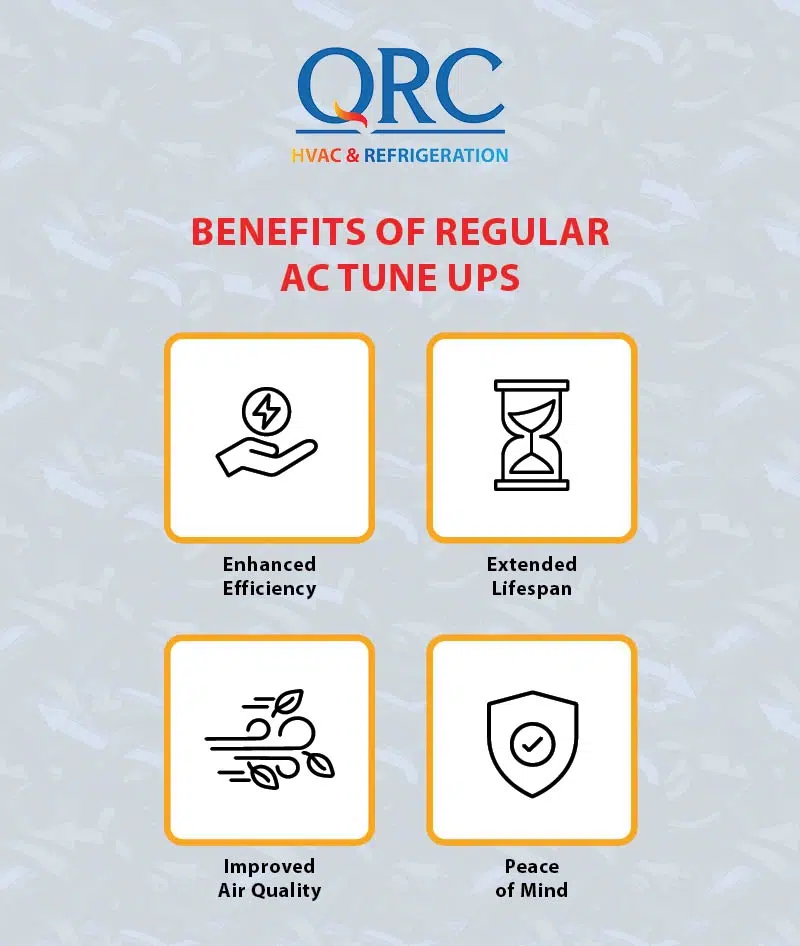
Regular HVAC maintenance is the best way to prolong your unit’s lifespan and keep it running at top performance. We recommend having your AC serviced by a professional at least once a year to keep your energy bills down and your house cool and comfortable. A typical QRC AC maintenance call improves your air conditioner’s efficiency and prolongs its service life with fewer repairs needed. Maintenance prevents uneven temperature fluctuations and high humidity in your home, improving the overall air quality. One of the most important benefits of AC tune-ups is the peace of mind it gives you. Having a pro ensure everything is working well means you can relax knowing you and your family stay comfortable all summer.
Lower Energy Bills and Cost Savings
An air conditioner that’s running smoothly is an air conditioner that’s running efficiently. Over time, dust and debris can build up, and parts can wear down, forcing your system to work much harder to cool your home. This extra effort consumes more electricity, which shows up as a higher number on your monthly utility bill. A professional tune-up addresses these issues by cleaning the components and ensuring everything is calibrated correctly. As experts point out, regular maintenance “makes your AC work better and last longer.” This improved performance means your unit uses less energy to achieve the same cooling results, leading to direct cost savings for you month after month.
Improved System Reliability and Fewer Repairs
There’s never a good time for your air conditioner to break down, but it almost always seems to happen during the most intense heat wave of the summer. Regular AC tune-ups are your best defense against unexpected system failures. During a maintenance visit, a technician can spot small, developing problems—like a worn-out belt or a low refrigerant level—and fix them before they cause a complete shutdown. This proactive approach helps you avoid the stress and expense of emergency repairs. As one HVAC company notes, routine maintenance “helps prevent your AC from breaking down when you need it most.” Investing in a yearly tune-up provides peace of mind and helps you avoid much larger repair bills down the road.
Better Indoor Air Quality
Your HVAC system does more than just cool your home; it circulates the air you and your family breathe every day. If the system is dirty, it can spread dust, pollen, pet dander, and other allergens throughout your house. A key part of an AC tune-up is cleaning the system’s internal components and replacing the air filter. This simple step can make a significant difference in your home’s air quality. According to Service Experts, “A clean AC system helps circulate cleaner air in your home, reducing allergens.” For anyone with allergies, asthma, or other respiratory sensitivities, scheduling regular residential HVAC service is an important step toward creating a healthier living environment.
Maintains Your Manufacturer’s Warranty
When you invest in a new air conditioning system, it comes with a manufacturer’s warranty that protects you from the cost of replacing faulty parts. However, many homeowners don’t realize that most manufacturers require proof of annual professional maintenance to keep that warranty valid. If you skip your yearly tune-ups and a major component fails, the manufacturer could deny your claim, leaving you to cover the full cost of the repair. As HVAC professionals at Michael & Son explain, “Getting a yearly HVAC tune-up is important. It helps keep your system’s warranty valid.” Think of it as protecting your investment—a small annual cost ensures your valuable warranty remains intact when you need it most.
The Value of a Maintenance Plan
Remembering to schedule your AC tune-up each spring can be easy to forget. That’s where a maintenance plan comes in. By signing up for a plan, you put your HVAC maintenance on autopilot. We handle the scheduling for you, ensuring your system gets the care it needs without you having to think about it. These plans often come with added perks like priority service and discounts on any necessary repairs. For example, some companies report that customers on their maintenance plans save hundreds of dollars per year. Our Service Maintenance Programs are designed to make upkeep simple and affordable, giving you one less thing to worry about.
When to Schedule an AC Tune-Up
How often should you get an AC tune-up? While changing your air conditioner filter once a month during high-use periods is best, you only need to schedule a full maintenance call once a year. As for when to get an AC tune-up, the spring is usually the best time. You may also want to schedule an HVAC tune-up if your AC unit isn’t cooling the house well or is continuously running without turning off. A QRC HVAC technician can diagnose the issue and let you know if you need additional repairs.
Why Spring is the Ideal Time
Think of an AC tune-up like a check-up for your car before a long road trip. You wouldn’t want to get stranded on the side of the road, and you definitely don’t want your AC to quit on the hottest day of the year. That’s why spring is the perfect time to schedule your appointment. According to experts at Service Experts, “The best time to schedule your AC tune-up is in the spring, before you start using it for the summer.” This proactive approach lets our technicians catch small issues before they become major, expensive problems. Getting it done early also means you beat the summer rush, making it easier to book an appointment that fits your schedule.
Special Maintenance Needs for Heat Pumps
If your home uses a heat pump for both heating and cooling, your maintenance schedule will look a little different. Since a heat pump works hard all year long, it needs attention twice a year—once in the spring to prepare for cooling and once in the fall to get ready for heating. As noted by Grove HVAC, “If you have a heat pump (which heats and cools), it needs two tune-ups a year.” During these visits, a technician will perform a thorough inspection, checking refrigerant levels, cleaning components, and ensuring the system can switch between modes efficiently. Signing up for one of our service maintenance programs is a great way to make sure you never miss these crucial appointments.
Is It Ever Too Late for a Tune-Up?
Did spring fly by without a tune-up? Don’t worry. While spring is ideal, it’s absolutely never too late to have your system serviced. Whether it’s the middle of summer or you haven’t had a tune-up in years, giving your AC some professional attention is always a good idea. Getting a tune-up, even a late one, can still improve your system’s efficiency, lower your energy bills, and prevent a sudden breakdown. As one expert puts it, “It’s never too late to start!” Catching issues early helps your AC work better and last longer. If you’re unsure about your system’s condition, a virtual Tele-Tech appointment can be a convenient first step to assess your needs.
Signs Your AC Needs a Tune-Up
Your air conditioner often gives you little hints before a major breakdown. Paying attention to these signs can save you from a sweltering summer day without AC and prevent a small issue from turning into a costly repair. While an annual tune-up is the best preventative measure, sometimes your system needs attention sooner. If you notice your AC acting differently—making strange noises, smelling funny, or just not cooling like it used to—it’s probably trying to tell you something. Listening to these cues and scheduling a service call can keep your system running efficiently and ensure your home stays comfortable when you need it most.
Foul Odors from Vents
Have you ever turned on your AC and been hit with a strange smell? That’s a clear sign something isn’t right. A musty or mildewy odor often points to moisture buildup and potential mold growth within your unit or ductwork, which can negatively impact your home’s air quality. On the other hand, a burning smell is a more urgent red flag, suggesting an electrical problem like overheating wires. Ignoring these odors isn’t just unpleasant; it can be a risk to your health and safety. A professional technician can thoroughly inspect your system, clean the necessary components, and address any hazardous electrical issues to get your air smelling fresh and clean again.
Uneven Cooling or Weak Airflow
It’s frustrating when one room feels like a freezer while another is uncomfortably warm. This uneven cooling is a classic symptom that your AC system is struggling. The problem could stem from several issues, such as a malfunctioning thermostat, blocked vents, or leaky ductwork that’s sending all that precious cool air into your attic instead of your living room. Weak airflow from your vents is another piece of the puzzle, indicating that something is obstructing the air’s path. During a tune-up, a technician can diagnose the root cause, whether it’s a simple fix like clearing a blockage or a more complex issue like a refrigerant leak, ensuring consistent comfort throughout your entire home.
Water Leaks Around the Unit
Finding a puddle of water around your indoor air handler is never a good sign. Your air conditioner naturally produces condensation as it cools the air, but this moisture is supposed to drain away safely through a dedicated line. When you see water pooling, it usually means you have a clogged condensate drain line. This blockage can cause water to back up and overflow, potentially leading to significant water damage to your floors, walls, and ceilings. Ignoring it can also create a prime environment for mold growth. It’s a problem that needs immediate attention, and thankfully, it’s often a straightforward fix for a qualified HVAC professional during a service call.
What to Check Before You Call for Service
When your AC stops working on a sweltering North Carolina afternoon, your first instinct might be to call for help immediately. While we’re always ready to assist, sometimes the solution is surprisingly simple—something you can fix yourself in just a few minutes. Running through a quick checklist before you pick up the phone can potentially save you time and the cost of a service visit. These basic troubleshooting steps help you identify common issues that don’t require a technician’s expertise. If you try these tips and your system still isn’t working, you’ll know it’s definitely time to call in a professional to get things back on track.
Check Thermostat Settings
It might sound obvious, but your thermostat is the command center for your entire HVAC system, and a wrong setting is a frequent culprit behind cooling issues. Before you assume the worst, take a moment to check it. First, ensure the system is set to “Cool.” It’s easy for settings to get accidentally changed, especially with kids or guests in the house. Next, verify that the temperature is set several degrees below the current room temperature. If the set temperature is higher than the room’s actual temperature, the air conditioner simply won’t turn on because it doesn’t think it needs to. For digital thermostats, also check if the batteries need replacing, as low power can cause it to malfunction.
Inspect Your Air Filter
Your AC’s air filter is its first line of defense, trapping dust, pollen, and other particles to keep them out of your system and your air. Over time, this filter gets clogged with debris, which can severely restrict airflow. When air can’t move freely, your AC has to work much harder to cool your home, leading to poor performance, higher energy bills, and even a frozen evaporator coil. Locating your filter (usually in the return air duct or a slot on your indoor unit) and visually inspecting it is a crucial step. If it looks gray and dirty, it’s time for a replacement. Making this a regular habit is one of the best things you can do for your system’s health and longevity.
Look at the Circuit Breaker
If your air conditioner won’t turn on at all—no fan, no sounds, nothing—the problem could be electrical. Head to your home’s main electrical panel (often in a garage, basement, or utility closet) and look for the circuit breaker labeled for your “AC,” “Air Conditioner,” or “HVAC.” Breakers are designed to trip, or switch off, to prevent damage from an electrical overload. If the switch is in the “Off” position or stuck in the middle, that’s your issue. To reset it, push the switch firmly to the “Off” position first, then flip it back to “On.” If it stays on, you may have solved the problem. However, if it trips again right away, that signals a deeper electrical problem that needs professional attention from a qualified technician.
What to Expect During an AC Tune-Up
You’re likely wondering what’s included in an AC tune-up. The first step is to book your appointment. At QRC, we offer flexible scheduling to work within your busy life. Our technicians arrive on time and are ready to work with diagnostic tools, maintenance supplies, and all the parts needed to do the job. The AC tune-up checklist is as follows:
- A complete inspection by our experienced HVAC technicians. They’ll check for signs of wear and tear, corrosion, or damage to all unit parts.
- Check refrigerant levels using professional equipment and recharge the system if necessary. This can improve the air conditioner’s performance and reduce the chances of a breakdown.
- Clean and adjust the system’s components, including the condenser coils, evaporator, air ducts, and blower assembly, to ensure everything is running like new.
- Lubricate all moving parts, like the fan motor and bearings, to make the air conditioner last longer.
- Optimize the temperature and fan settings to best suit the home.
- Test the system’s performance, including electrical system voltage, supply and return differences, and refrigerant line pressure.
Our technicians are respectful, friendly, and open to answering any questions you may have about your air conditioner. They’ll also show you how to optimize performance to extend its life.
Our Comprehensive Tune-Up Checklist
A professional AC tune-up is a detailed process designed to cover every critical component of your system. It’s not just about changing a filter; it’s a thorough inspection and cleaning that ensures your air conditioner runs safely and efficiently all summer long. At QRC, our technicians follow a meticulous checklist to make sure no detail is overlooked. This systematic approach allows us to catch small issues before they turn into costly repairs, giving you confidence that your system is ready for the North Carolina heat. Here’s a closer look at some of the most important steps we take during a maintenance visit.
Thermostat Calibration and Electrical Check
Think of your thermostat as the brain of your entire cooling system. If it isn’t reading the room temperature correctly, it can’t tell your AC when to turn on or off, leading to discomfort and wasted energy. During a tune-up, our technicians ensure your thermostat is properly calibrated for accurate readings. We also perform a thorough electrical check as part of our residential HVAC services, tightening all connections and inspecting wiring. Loose electrical connections can be a safety hazard and cause your system to fail unexpectedly. This simple but crucial step ensures your AC operates both safely and efficiently, responding precisely to your comfort needs.
Refrigerant Leak Inspection
Refrigerant is the essential substance that circulates through your AC system to absorb heat from your home and release it outside. If the refrigerant level is low, your air conditioner can’t cool effectively and has to work much harder, driving up your energy bills. Low levels almost always signal a leak, which can seriously damage your system’s compressor over time. Our technicians will check the refrigerant pressure and meticulously inspect for any leaks. Addressing a refrigerant leak promptly is vital for protecting your investment and ensuring your AC delivers the powerful cooling you depend on during hot summer days.
Condensate Drain Cleaning
As your air conditioner cools your home, it also removes humidity from the air. This moisture collects and is supposed to exit through a condensate drain line. Over time, this line can become clogged with algae, dirt, and other debris. When that happens, water can back up and overflow, potentially causing significant water damage to your walls, ceilings, or floors. A clogged drain also creates a damp environment perfect for mold and mildew growth, which can harm your home’s indoor air quality. We thoroughly clean the condensate drain to ensure water flows freely, protecting your home and keeping humidity levels in check.
Safety Control Testing
Your air conditioner is a complex piece of equipment with several built-in safety features designed to prevent overheating or electrical problems. During every maintenance visit, we test these critical safety controls to confirm they are functioning correctly. This includes checking electrical components to ensure they are secure and operating within the manufacturer’s specifications. Properly working safety controls can shut the system down automatically if a problem is detected, preventing more extensive damage and keeping your home safe. This part of the tune-up provides essential peace of mind, knowing your system isn’t just running well—it’s running safely.
Additional Tips for AC Efficiency
A professional tune-up is the best foundation for an efficient air conditioner, but there are a few more things you can do to maximize performance and minimize your energy bills. These simple adjustments can make a noticeable difference in both your comfort and your monthly expenses, helping your system run smarter, not harder. By combining regular maintenance with smart habits, you can ensure your AC operates at its peak potential all summer long, keeping your home cool without breaking the bank. These strategies focus on reducing wasted energy and easing the workload on your HVAC system.
Use a Smart Thermostat
A smart thermostat is one of the most effective upgrades for your home’s cooling system. These devices learn your daily routines and automatically adjust the climate to match, raising the temperature after you leave and cooling the house down just before you return. This ensures you always come back to a comfortable space without wasting energy on an empty home. This level of automated control can lead to significant energy savings over time. Plus, the ability to manage your home’s temperature from your phone adds a layer of convenience that traditional thermostats just can’t match.
Insulate Air Ducts
If some rooms in your house feel warmer than others, the problem might be your ductwork. Ducts running through unconditioned spaces like attics or crawlspaces can lose a significant amount of cool air before it reaches your vents. Insulating these pathways is a critical step to prevent this energy loss and ensure the air stays at its intended temperature. This not only improves comfort and eliminates hot spots but also reduces strain on your system. If you suspect your ducts are leaking or poorly insulated, it’s a good idea to have a professional take a look.
Manage Your Thermostat Settings Wisely
How you use your thermostat directly impacts your energy bill. It’s tempting to crank the AC way down on a hot day, but this forces the system into overdrive without cooling your home any faster. A more efficient approach is to find a comfortable temperature and stick with it, or adjust it by only a few degrees when you’re away. Each degree you raise the temperature can save you up to 5% on cooling costs. By avoiding drastic temperature swings, you allow your system to maintain a steady, efficient pace, which is better for your wallet and your AC unit’s health.
Need AC Maintenance? Call QRC!
Now that you understand the importance of AC maintenance, contact QRC or schedule an appointment online for service. We’re here to keep North Carolina residents comfortable year-round. We can also help you determine whether it’s time to replace your window AC, ductless mini split, or other system, or if you just need to change a filter or repair a broken part. Whatever your HVAC issue, QRC technicians are here to help.
Frequently Asked Questions
Can I perform an AC tune-up myself, or should I hire a professional?
It’s best to hire a professional for air conditioning maintenance. There are many moving parts and potential issues that the average person may not know about.
Can an AC tune-up improve the air quality in my home?
Yes! Your air quality can decrease when your air conditioner isn’t working well. An AC needing maintenance can cause dust and odors in your home. If there’s a refrigerant leak, your air conditioner may release toxic fumes into your home. Regular tune-ups can prevent the wear and tear that causes these issues so your family can breathe easier.
Will a tune-up prevent my AC from breaking down during the summer?
Yes. In most cases, scheduling your air conditioner maintenance call in the spring, before the summer heat shows up in full force, may prevent breakdowns from occurring.
How can I tell if my AC needs a tune-up?
Some signs your air conditioner could use a tune-up include higher-than-usual energy bills, higher-than-normal humidity or moisture in your house, strange noises from the unit, or low airflow from the AC vents. You may also want to schedule a maintenance call if your AC isn’t keeping up with the heat or if it begins short-cycling (turning on and off frequently).
Key Takeaways
- Annual Tune-Ups Save You Money and Stress: Think of yearly maintenance as your best defense against surprise breakdowns and high energy bills. A professional service keeps your system running efficiently, improves your home’s air quality, and ensures your manufacturer’s warranty stays intact.
- Spring is the Best Time for Service: Schedule your AC maintenance before the summer heat hits. This allows a technician to catch small problems before they become major headaches and helps you avoid the busy season when appointments are harder to get.
- Troubleshoot Simple Issues First: Before calling for a repair, take a minute to check the basics. Make sure your thermostat is set to “cool,” inspect your air filter to see if it’s dirty, and check if the circuit breaker has tripped. These simple steps can often solve the problem and save you a service call.