


You’ve invested in a powerful, high-performance gas stove, expecting it to deliver flawless results. But for your appliance to work as designed, it needs a steady, adequate supply of fuel. An undersized gas line can lead to weak flames, uneven heating, and frustrating performance, essentially preventing your stove from reaching its full potential. This is why determining what size gas line for stove installation is so important. It’s about more than just connecting a pipe; it’s about ensuring efficiency and protecting your investment. We’ll explore how professionals calculate the right size and cover other common installation mistakes to avoid.
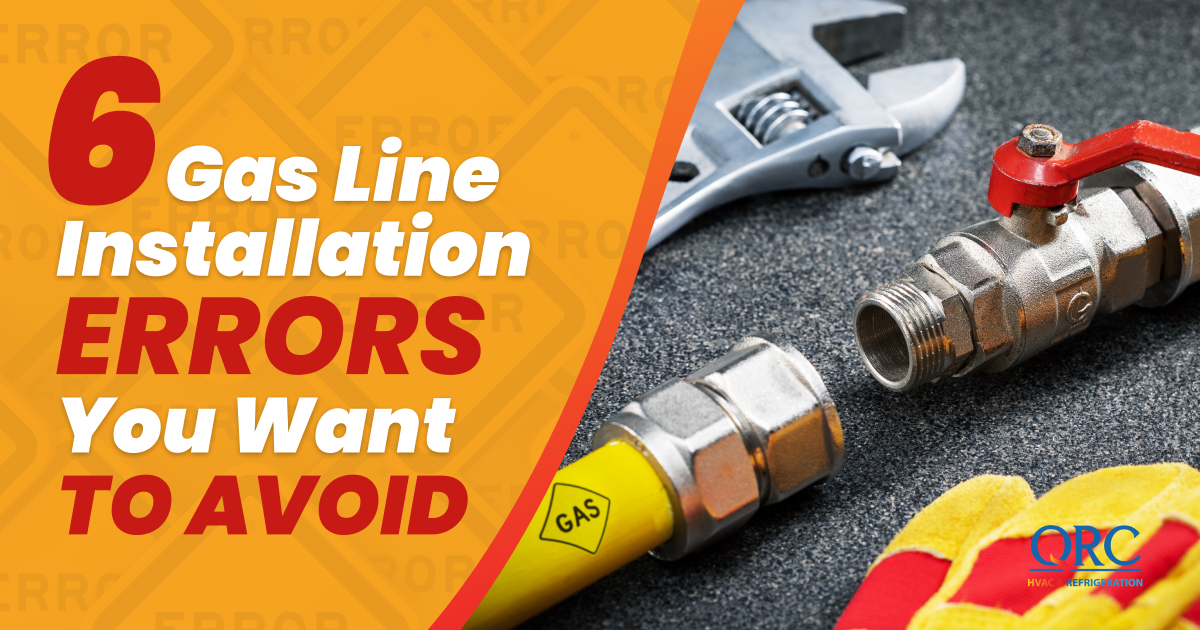 Gas line installation errors can compromise the safety and function of your home. A gas line can supply fuel to cooking appliances, furnaces, water heaters, and other high-use equipment. We strongly advise against DIY gas line installation. But even budding professionals can make mistakes. Here are six errors to avoid when choosing and connecting a gas line during DIY gas line installation or any other home improvement project.
How to Find the Right Gas Line Size for Your Stove
Choosing the right gas line size for your stove isn’t just a technical detail—it’s essential for both performance and safety. An incorrectly sized line can “starve” your appliance of fuel, leading to weak flames and inefficient cooking. More importantly, it can create a hazardous situation. While a licensed professional should always handle the final installation, understanding the factors involved helps you ensure the job is done right. Let’s walk through the key considerations for sizing a gas line for your new stove.
Check the Manufacturer’s Installation Manual
Your first and most reliable source of information is the stove’s installation manual. Manufacturers specify their appliance’s exact requirements to ensure it operates safely and efficiently. The manual will state the necessary gas line size, the required gas pressure, and the appliance’s BTU rating. If you’ve misplaced the physical copy, you can almost always find a digital version on the manufacturer’s website by searching for your stove’s model number. This document is the ultimate guide, as it’s tailored specifically to your appliance, taking the guesswork out of the equation.
Understand the Key Sizing Factors
Beyond the manufacturer’s basic recommendation, a professional technician considers several other variables to map out your home’s entire gas system. The total energy demand of all your gas appliances, the distance from the gas meter to the stove, and even the type of gas you use all play a role in the final calculation. Getting any of these factors wrong can lead to poor performance. A properly sized gas line ensures a steady, reliable flow of fuel, allowing your stove to work exactly as it was designed.
BTU Rating and Total Gas Load
Every gas appliance has a BTU (British Thermal Unit) rating, which measures its maximum energy output. You can find this on the appliance’s data plate or in the manual. A stove with a high BTU rating demands more fuel, which often requires a larger pipe. It’s also important to consider the total gas load of your home. If your furnace, water heater, and stove are all running at once, the main gas line must be large enough to support all of them simultaneously without a drop in pressure.
Pipe Length and Fittings
The distance the gas has to travel from the meter to your stove significantly impacts the required pipe size. Gas loses pressure as it moves through a pipe due to friction. To counteract this, a longer pipe run requires a larger diameter to ensure adequate pressure reaches the appliance. Every elbow, tee, and valve in the line adds more resistance, which must also be factored into the sizing calculation. This is why a simple chart isn’t enough; a custom calculation is needed for each unique home layout.
Gas Type and System Pressure
The type of gas your home uses—natural gas or propane—also affects pipe sizing. Natural gas and propane have different densities and energy contents, so they flow differently and require specific calculations. Propane, for instance, contains more energy per cubic foot, so it can sometimes use a slightly smaller pipe than natural gas for the same BTU output. A professional will confirm your home’s gas type and system pressure to ensure the entire system is correctly calibrated for safe and efficient operation.
Common Gas Line Sizes and Capacities
While gas pipes come in many sizes, residential applications for appliances like stoves typically use one of two common diameters. The choice between them isn’t arbitrary; it’s based on a careful calculation of all the factors we’ve discussed. A professional installer will use a series of charts and formulas to determine the correct size for your specific installation, ensuring your stove gets the fuel it needs without compromising the supply to other appliances in your home.
1/2-Inch vs. 3/4-Inch Pipe
Most residential stoves are connected with either a 1/2-inch or 3/4-inch gas line. A 1/2-inch pipe is often sufficient for standard stoves with lower BTU ratings, especially if the pipe run is short. However, for high-performance stoves with powerful burners or for longer distances from the gas meter, a 3/4-inch pipe is usually necessary. A 3/4-inch pipe can carry more than double the volume of gas as a 1/2-inch pipe, ensuring there’s no drop in performance. When in doubt, oversizing is safer than undersizing, but a professional calculation by a team like QRC’s certified technicians will guarantee the perfect fit.
1. Choosing an Incorrectly Sized Gas Line
A seasoned professional knows the proper calculations for accurately sizing a gas line. If the pipe is the wrong size, a range of issues can affect the performance, efficiency, and safety of natural gas appliances. Too small a gas line can limit the fuel supply to an appliance, reducing its performance or causing it to fail. Excessive pressure drops can weaken burner flames or lead to inconsistent heating. Meanwhile, an oversized gas line can waste energy and increase utility costs. A wrong-sized gas line can also:
- Fail to meet an appliance’s gas flow rate and pressure requirements.
- Cause excessive noise in the system.
- Increase pressure, straining fittings and valves.
- Trigger a dangerous natural gas leak in your home.
- Restrict gas flow and cause blockages.
- Reduce the lifespan of the appliance.
The Risk of Incomplete Combustion and Carbon Monoxide
When a gas line is too small, it can’t deliver enough fuel to your appliance. Think of it like trying to drink a thick milkshake through a tiny coffee stirrer—it just doesn’t work well. This fuel shortage leads to a problem called incomplete combustion, where the gas doesn’t burn cleanly and efficiently. The most dangerous byproduct of this process is carbon monoxide (CO), an invisible, odorless gas that can be lethal. Because you can’t see or smell it, CO can build up inside your home without anyone realizing it, creating a serious health hazard for your family and pets.
Exposure to even low levels of carbon monoxide can cause symptoms like headaches, dizziness, and nausea, while high concentrations can be fatal. This is why getting the gas line size right is about more than just appliance performance—it’s a critical safety measure for your home. Relying on a professional for your heating and cooling services ensures that all components, including gas lines, are installed according to strict safety codes. A certified technician has the training to perform the correct calculations, protecting your home from the silent threat of CO and making sure your appliances operate safely and correctly.
2. Ignoring Building Codes and Regulations
Codes and regulations exist for a good reason. Ignoring a local building code risks safety hazards such as a gas leak or explosion. Therefore, the consequences for your home and family can be disastrous. Non-compliance can also lead to penalties; should an inspector find your gas line doesn’t meet requirements, costly modifications may be required. The job may need to be redone and you can also face hefty fines. Before installing a gas line, consult with the proper authorities, such as a local building department or utility company. They can inform you of gas line installation regulations. You’ll also gain insights into the required permits and materials as well as proper techniques for avoiding a gas line installation error.
Why Permits and Inspections Are Non-Negotiable
Think of permits and inspections as a non-negotiable safety net for your home. They ensure that any gas line work meets strict local building codes designed to prevent catastrophic failures. Skipping this step isn’t just cutting corners; it’s actively inviting risk. An uninspected installation can lead to dangerous gas leaks, which can cause serious health issues like dizziness and nausea, or even lead to a fire or explosion. A licensed professional will always follow local codes and secure the necessary permits for the job. This process guarantees that the work is reviewed and approved by a qualified inspector, giving you documented proof that your gas system is safe and compliant.
How Unlicensed Work Can Affect Your Home Insurance
Hiring an unlicensed handyman to work on your gas lines might seem like a way to save money, but it can have devastating financial consequences. Gas work is incredibly dangerous, and mistakes can be fatal. For this reason, your home insurance policy likely has clauses related to proper maintenance and legal installations. If a fire or explosion occurs due to faulty work performed by an unlicensed individual, your insurance provider could deny your claim entirely. This would leave you responsible for all repair costs, which could be astronomical. The only way to protect your family and your investment is to hire licensed and insured HVAC professionals who understand the risks and adhere to the highest safety standards.
3. Selecting the Wrong Materials
If the materials chosen are unsuited for the application, there’s an increased risk of corrosion, leaks, and system failures. Natural gas pipes are commonly made of copper or steel. Flexible stainless steel tubing may also be used. Copper has high heat resistance, so it is preferred for natural gas or propane lines. It is also corrosion-resistant. However, steel pipes must be properly coated or wrapped to prevent corrosion. Fabric-based pipe materials are not suited for gas lines. They aren’t strong or durable enough. Choosing high-quality materials costs more upfront but will save you on the costs of future repairs or replacements. They also avoid imminent failures and are less prone to deterioration and corrosion.
Black Iron Pipe
When you picture a gas line, you’re likely thinking of black iron pipe. This material is a traditional choice for gas lines due to its impressive strength and durability. It’s built to last and can withstand high pressure, which is why it has been a go-to for so long. However, it is heavier and more challenging to work with compared to modern alternatives. Installing it requires precise cutting, threading, and sealing to create secure joints. For this reason, proper installation is crucial to prevent dangerous leaks and ensure the safety of your home or business. It’s a fantastic, reliable material, but only in the hands of an experienced technician who can guarantee every connection is perfectly sealed.
Corrugated Stainless Steel Tubing (CSST)
Corrugated Stainless Steel Tubing (CSST) is a flexible option that simplifies installation, especially in complex situations. Its bendable nature allows for easier bends and turns in tight spaces, making it ideal for routing gas lines around obstacles without needing numerous fittings. This can be a huge advantage in older homes or buildings with tricky layouts. While CSST may be more expensive than traditional materials, its flexibility can save significant time and labor costs during installation. It’s important to note that special fittings and connections are required, which can add to the overall expense. A qualified professional can help you decide if CSST is the right fit and ensure all specialized components are installed correctly for a safe, long-lasting system.
4. Poor Ventilation and Lack of Clearance
When installing a gas line, it must be properly ventilated. The manufacturer should detail the ventilation requirements of an appliance or gas line. If these aren’t met, an explosion or asphyxiation can occur. Adequate clearance also reduces these risks and prevents heat buildup. In addition, make sure vents aren’t obstructed by debris, which can cause gases to back up. To avoid such issues and related safety hazards:
- Follow the manufacturer’s installation requirements.
- Adhere to recommended clearance guidelines.
- Routinely check for clogs or blockages.
- Clear debris to ensure proper airflow.
- Don’t place flammable materials near gas appliances/gas lines.
- Keep the area around gas appliances uncluttered.
- Look for signs of overheating or heat buildup.
- Call a professional if vents are damaged.
- Contact us if a gas appliance emits a strange odor.
5. Failing to Make Proper Joint Connections
Gas leaks and other major safety hazards can occur if pipe joints are inadequately sealed. You can avoid cracks or gaps in joint connections by using the appropriate sealing materials and techniques. Only approved methods should be used, such as applying thread tape or pipe dope to threaded fittings. Also, tighten fittings using the appropriate amount of torque. And, after the gas line is installed, check for signs of loose connections, wear, or damage often and take prompt action to avoid a major problem. Hiring a professional in the first place reduces the risk of a gas leak.
6. Skipping Pressure Testing/Leak Detection
Pressure testing helps verify the integrity of a gas line installation so a contractor can make the appropriate adjustments. Otherwise, an undetected leak can pose a significant risk to your household. The latest leak detection methods help identify small leaks so they can be fixed promptly. An experienced technician has the knowledge and tools to accurately check for leaks and test system pressure, so damage and hazards can be avoided.
Recognizing the Health Symptoms of a Gas Leak
A gas leak isn’t just a risk to your property; it’s a serious threat to your health. While utility companies add a chemical called mercaptan to give natural gas its signature “rotten egg” smell, you might experience physical symptoms before you notice an odor, especially with a slow leak. Exposure to natural gas can cause a range of flu-like symptoms that are easy to mistake for a common illness. These include headaches, dizziness, nausea, and persistent fatigue. If several people in your home—or even your pets—suddenly feel unwell with these same symptoms, it could be a clear warning sign of gas exposure in your environment.
More severe reactions can include breathing difficulties, irritation in your eyes and throat, or even skin blisters if you come into direct contact with concentrated gas. It’s important to pay close attention to your pets, as they often show signs like lethargy, disorientation, or labored breathing before humans do. If you experience any of these symptoms and suspect a gas leak, your immediate priority is safety. Do not try to find the source of the leak yourself. Evacuate everyone from the building immediately. Once you are a safe distance away, call 911 and your gas utility company. Taking these health signs seriously is critical for protecting yourself and your family.
How Much Does Gas Line Installation Cost?
The cost of gas line installation depends on many factors. The longer the line, the more costly it is to install. The cost of materials, permits, and labor is also a consideration.
What Are the Signs of a Gas Line Clog?
If a gas line is clogged, appliance performance can decrease, you may have less hot water, or the gas line can make popping sounds (especially if moisture has gotten inside).
What Are the Benefits of Grounding a Gas Line?
Grounding protects the pipe or tubing from sparks and electrical arcs from nearby wiring and electrical components. These can damage the line and cause a leak and potentially a fire or explosion.
Call QRC to Learn More About Avoiding Gas Line Installation Errors
At QRC, we provide HVAC services in Winston-Salem, NC, and surrounding areas. Our technicians are EPA-certified and continuously trained to ensure the highest-quality service for a job of any size. They are also familiar with all the requirements for heating installation, including how gas lines are properly installed. To learn more about our services, special officers, and financing or request an appointment, call (336) 281-5144.
Frequently Asked Questions
My old stove worked fine. Can’t I just use the same gas line for my new one? Not necessarily. Newer stoves, especially high-performance models with powerful burners, often have a higher BTU rating than older ones. This means they require more fuel to operate correctly. Using the old gas line might not provide enough gas, leading to weak flames and poor cooking performance. A professional should always verify that the existing line can meet the specific demands listed in your new appliance’s installation manual.
What are the warning signs that my stove’s gas line might be too small? If your gas line is undersized, your stove will act like it’s being starved of fuel. You might notice that the burner flames are weak, flickering, or yellow instead of a steady, crisp blue. Your burners may take longer than usual to ignite, or your oven might struggle to reach and maintain the set temperature. These are all signs that the appliance isn’t getting the consistent gas pressure it needs to function properly.
Why can’t I just look up the right pipe size in a chart online? Those charts provide a very basic starting point, but they can’t account for the unique layout of your home. A professional calculation involves more than just the stove’s BTU rating. It considers the total length of the pipe from the gas meter, every single elbow and fitting that adds resistance, and the combined gas load of all your other appliances, like your furnace and water heater. Sizing the line correctly ensures all your appliances can run simultaneously without any drop in performance.
How is an incorrectly sized gas line connected to carbon monoxide? When a gas appliance doesn’t receive enough fuel from an undersized line, it can’t burn the gas completely and efficiently. This process, known as incomplete combustion, produces carbon monoxide (CO), a toxic gas that you can’t see or smell. A correctly sized gas line ensures your stove gets the right amount of fuel for a clean, complete burn, which is a critical safety measure for preventing CO buildup in your home.
Besides black iron pipe, what other materials are safe for gas lines? While black iron pipe is a traditional and very durable choice, professionals also use materials like Corrugated Stainless Steel Tubing (CSST). CSST is a flexible pipe that is often used in homes with complex layouts or tight spaces, as it can be routed around obstacles without needing lots of extra fittings. The right material depends on local building codes and the specific needs of the installation, which is why a licensed technician’s expertise is so important.
Key Takeaways
- Get the size right for performance and safety: An undersized gas line can starve your stove of fuel, leading to weak flames and the risk of carbon monoxide. A professional calculates the correct size based on your stove’s BTU rating and your home’s layout to ensure it works perfectly and safely.
- Leave gas line work to licensed pros: Attempting to install a gas line yourself can lead to dangerous leaks, void your home insurance, and violate building codes. Hiring a certified technician guarantees the job is done correctly, with the proper permits and inspections for your family’s safety.
- Know the signs of a gas leak: Your health is the first indicator of a problem. Beyond the “rotten egg” smell, watch for physical symptoms like headaches, dizziness, or nausea. If you suspect a leak, evacuate everyone immediately and call for help from a safe location.