


A sudden spike in your energy bill can be frustrating, and the cause isn’t always obvious. If your costs are climbing and your furnace seems to be working harder than usual, a weakening blower motor capacitor could be to blame. This component ensures your blower motor runs efficiently, but when it starts to fail, the motor has to draw more power to do its job. This inefficiency not only costs you money but also puts immense strain on your system. Learning to spot the subtle signs of a failing capacitor can save you from high utility bills and prevent a complete system breakdown when you need it most.
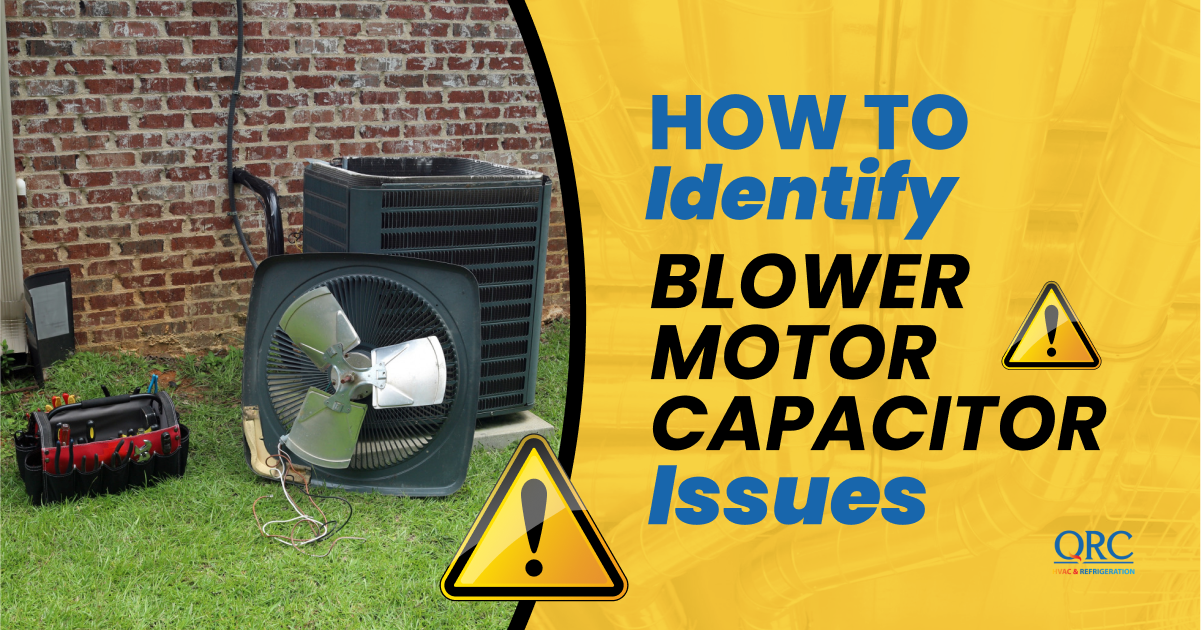 A furnace capacitor is a small but important component that regulates power input to the blower motor. An issue with it can cause a furnace to malfunction. Fortunately, replacing a capacitor is one of the more affordable furnace repairs, but the issue can be hard to identify without a trained eye. We’ll look at a few blower motor capacitor issues to help a technician focus their heating repair efforts.
Signs of a Faulty Blower Motor Capacitor
The following signs can help identify a capacitor that’s stopped working or is failing:
- The Blower Motor Isn’t Receiving Power: If the blower motor isn’t powered, then it will not turn on. First, check the fuse in your furnace (if it has one) or the circuit breaker it is connected to (in the main electrical panel). Consult with the owner’s manual or manufacturer to determine where the unit’s fuse is. If the issue isn’t due to a blown fuse or tripped circuit breaker, your furnace likely needs a new blower motor capacitor.
- The Blower Motor Is Slow or Inconsistent: A failing capacitor can cause the blower motor to run slowly or fluctuate in speed. The motor can also overheat, short cycle, or run erratically. Call a professional if any of these issues occur. They’ll check for a faulty capacitor and replace it to restore normal performance.
- The Capacitor Makes a Humming Sound: A humming noise is typically a sign of an electrical issue. You can check if the capacitor is working properly by turning up the thermostat; when the blower starts running, open the access panel and listen for any sounds from the blower housing. If you hear a humming or the fan is louder than usual, the capacitor may be weakening and may soon fail.
- The Capacitor Has a Visual Fault: A bulging top vent means the capacitor has failed; an electrolytic discharge breaks the top vent to prevent damage to nearby components. The bad capacitor may instead bulge at the bottom if the gas pressure doesn’t break the top vent. Also, look for broken terminals or a burnt, cracked, or damaged casing.
Humming or Clicking Noises
Unusual sounds are often the first sign that something is wrong with your furnace. If you notice a low hum when the system tries to start, but it can’t seem to get the air moving, a bad capacitor is a likely culprit. The motor is getting the signal to run but lacks the necessary electrical jolt to get started. You might also hear repeated clicking noises as the furnace’s control system tries over and over to engage the blower, but fails each time. These sounds indicate a component is struggling. Instead of ignoring them, it’s best to have a professional diagnose the issue before a small problem turns into a more significant motor failure.
Motor Struggles or Fails to Start
The most obvious symptom of a bad capacitor is a blower motor that won’t work correctly. Because the capacitor’s job is to give the motor a boost of energy to start and run, its failure directly impacts performance. You’ll notice that “the furnace blower will likely struggle to start or won’t run at all.” Without that initial push, the motor can’t get the fan blades spinning to circulate air through your home. This means you won’t get the heat you need, and the system’s inefficiency can lead to higher energy bills. A struggling motor also puts extra strain on other components, so addressing the capacitor issue quickly is key to preventing more extensive damage.
The “Kick-Start” Test
You might find advice online suggesting you can “kick-start” a stalled blower motor by manually spinning the fan blades. While this can sometimes get the motor running, it is extremely dangerous and not recommended. It also doesn’t solve the underlying problem. Many homeowners wonder, “If I replace the capacitor is this blower motor going to die within 2 weeks?” It’s a valid concern. Sometimes, a failing capacitor has already strained the motor to the point of damage. Other times, a simple capacitor swap is all that’s needed. The only way to know for sure is to have a qualified technician test both components to ensure you’re getting a lasting repair and not just a temporary fix.
Burning Smell or Overheating
Of all the warning signs, a burning smell is the one you should never ignore. An “acrid burning smell” coming from your vents often points to an electrical problem, and a failing capacitor is a common source. As the internal components break down, the capacitor can overheat and emit a distinct, unpleasant odor. If you notice this smell, your first step should be to turn off the furnace at the circuit breaker immediately to prevent a potential fire. This is a serious safety issue that requires urgent professional attention. Don’t try to diagnose it yourself; call for an emergency HVAC service right away.
Higher Than Usual Energy Bills
A sudden spike in your energy costs without a clear reason can sometimes be traced back to your HVAC system. When a blower motor capacitor is failing, the motor has to work much harder to start and maintain its speed. This increased effort requires more electricity, causing your energy consumption to climb. It’s a subtle sign that’s easy to miss, but it’s an important one. It’s also worth noting that other issues, like a clogged air filter, can force the motor to work harder, which in turn “makes the capacitor work harder too, causing it to fail sooner.” This is why routine furnace maintenance is so important for catching these inefficiencies early.
Visible Signs of Damage or Leaks
Sometimes, you can identify a failed capacitor just by looking at it. If you know what you’re looking for, you can inspect the component for obvious physical flaws. Be sure to turn off all power to the unit before opening any access panels. Once you locate the capacitor (a small, can-shaped part near the blower motor), “look for a bulging top or bottom on the capacitor, broken connections, or a burnt, cracked, or damaged outer case.” A “bulging top vent means the capacitor has failed,” as this indicates the internal components have broken down and released gas. You might also see an oily substance leaking from the casing. Any of these visual cues are a sure sign the capacitor needs to be replaced by a professional.
Frequently Asked Questions
How to Test a Blower Motor Capacitor
The traditional way to check a capacitor is to discharge it using a resistor (while wearing safety goggles). The resistor has two leads; connect each lead to opposite sides of the capacitor and a 230 VAC supply for a few seconds. A spark should occur when you remove the leads. If there’s a weak spark or none at all, the capacitor should be replaced. Please note this method is risky, so it’s best to have a properly equipped and protected technician check for a blower motor capacitor issue. A multimeter can also be used to test the capacitor. You can discharge the capacitor with the multimeter by touching the probes to the terminals; the reading should stabilize. There are a few options for testing, each requiring several steps. You can set the multimeter to:
- Capacitance mode
- Resistance mode
- Continuity mode
While it’s possible to test a capacitor with a voltmeter, we strongly recommend calling a professional. Our EPA-certified technicians can safely diagnose blower motor capacitor issues, ensuring the job is done right without risking injury or damage to your HVAC system. Trust QRC for a quick and reliable fix.
Safety First: Disconnecting Power
Before attempting any diagnostic work on your furnace, the most critical step is to completely disconnect the power. This involves more than just turning off the thermostat; you need to shut off the power at the circuit breaker that controls your HVAC system. Capacitors are designed to store a significant electrical charge, and they can hold onto it even after the power is cut. As we always emphasize, you should NOT try to test or replace a blower motor capacitor yourself. It involves dangerous high-voltage electricity, which can cause serious injury or even death. This isn’t a typical DIY project; handling these components without proper training and tools is extremely risky.
Using a Multimeter for an Accurate Reading
For a trained technician, a multimeter is the go-to tool for a precise diagnosis. After ensuring the power is off and safely discharging the capacitor, they will carefully remove it for testing. By setting the multimeter to the capacitance (μF) setting, they can connect the probes to the capacitor’s terminals. A healthy capacitor will show a reading very close to the microfarad rating printed on its side. If the reading is significantly lower or shows zero, it’s a clear sign that the capacitor has failed and needs to be replaced. While this process sounds straightforward, it requires a steady hand and a deep understanding of electrical components to perform safely.
Why Professional Testing is Safer
Ultimately, if you suspect an issue with your blower motor capacitor, you should always call a professional HVAC technician. They have the specialized tools and safety training to diagnose and resolve the problem correctly and without risk. A professional can quickly determine if the capacitor is the true culprit or if another component is causing the issue, saving you from potentially unnecessary repairs or further damaging your system. At QRC, our certified technicians are equipped to handle these sensitive electrical components every day. We can ensure your system is repaired safely, restoring your home’s comfort and giving you peace of mind.
Why Do I Need a Furnace Capacitor?
Capacitors regulate the flow of electricity. Having sufficient power output to the blower motor ensures it can run even when your HVAC system isn’t in heating mode. Running the fan can improve air circulation and air quality. The capacitor also maintains a steady power input. Otherwise, electricity can fluctuate and damage the motor. The system has run capacitors that manage power input while a component is running and start capacitors to regulate the higher power input needed to turn on equipment. Most furnaces have run capacitors that provide both functions.
What’s the Life Expectancy of a Furnace Capacitor?
Capacitors have an average lifespan of 10 to 15 years. If a capacitor has to work harder, it can fail sooner.
What Causes a Capacitor to Fail?
The capacitor can fail because it’s at the end of its lifespan. It can also be damaged if the motor is under strain due to a different furnace problem. Prolonged exposure to heat, incorrect voltage ratings, and improper sizing and installation can cause a capacitor to fail as well.
Power Surges
Your HVAC system needs a steady, consistent flow of electricity to work correctly. The capacitor acts as a gatekeeper, regulating the power that reaches the blower motor. It smooths out the electrical current, protecting the motor from the jolts of power surges or the dips of brownouts. When a significant power fluctuation happens, the capacitor often takes the hit, sacrificing itself to save the more expensive motor. If your area experiences frequent storms or has an unstable power grid, your capacitor is at a higher risk of failure. This is why having a reliable team to service your HVAC system is so important for diagnosing and fixing these sensitive electrical components quickly.
Strain from Dirty Air Filters
It might seem like a small detail, but a dirty air filter is one of the most common culprits behind a failed capacitor. When your filter gets clogged with dust and debris, it severely restricts airflow. This forces your blower motor to work much harder to pull air through the system and circulate it through your home or business. This increased workload makes the motor draw more electrical power, which puts a continuous strain on the capacitor. Over time, this constant overexertion will cause the capacitor to weaken and eventually fail. Regularly changing your air filters is a simple step you can take, and including it in a professional service maintenance program ensures it never gets overlooked.
Can I Replace the Capacitor Myself?
It’s not the most difficult furnace repair, but for safety reasons, we strongly discourage you from attempting to replace a blower motor capacitor. The job requires working with high-voltage electricity. Therefore, you risk a serious or fatal injury or causing major damage to your furnace by installing the part incorrectly. You also risk voiding the furnace’s warranty.
Why a DIY Fix Might Not Last
It’s tempting to see a faulty capacitor as a quick and cheap fix, and you might find online advice suggesting you just swap out the part and call it a day. However, this approach often overlooks a bigger issue. A failing capacitor is frequently a symptom, not the root cause of the problem. The real culprit could be a struggling blower motor that’s drawing too much power, causing the capacitor to burn out. One experienced technician noted that in about 80% of cases where only the capacitor was replaced, the blower motor failed completely within a couple of weeks. A professional won’t just replace the part; they’ll perform a full diagnostic to understand why it failed, ensuring your heat stays on for good. This comprehensive approach prevents a simple issue from turning into a more costly furnace repair down the road.
How Much Does It Cost to Replace a Blower Motor Capacitor?
The good news is that if your furnace capacitor is the culprit, you’re looking at one of the more affordable residential HVAC repairs. While the final price tag can vary based on your specific system and local labor rates, replacing a capacitor won’t break the bank like a major component failure might. It’s a common wear-and-tear item, and a straightforward job for a qualified technician. Understanding the cost breakdown can help you know what to expect when you get an estimate, ensuring there are no surprises.
Breaking Down the Costs: Parts and Labor
When you get a bill for a capacitor replacement, you’ll see it’s mostly for the technician’s time and expertise. The capacitor itself is surprisingly inexpensive, usually costing between $8 and $45. The majority of the expense comes from the service call and labor, which typically runs from $60 to $150 per hour. All in, most homeowners can expect to pay around $175 for a professional replacement, with the total cost ranging anywhere from $80 to $400. While it might be tempting to save on labor, handling high-voltage electrical components is dangerous, making this a job best left to a professional.
How to Save on Your Repair
One of the best ways to keep repair costs down is to act quickly. If you notice any signs of a failing capacitor—like a humming noise or a struggling blower motor—turn your system off at the thermostat and the circuit breaker immediately. Continuing to run the unit with a bad capacitor can put immense strain on the blower motor and compressor, potentially causing these much more expensive parts to fail. A simple capacitor replacement is a minor expense, but replacing a burnt-out motor is a major one. Shutting the system down prevents a small problem from cascading into a costly catastrophe.
Preventing Capacitor Failure Through Maintenance
While capacitors eventually wear out, you can extend their lifespan and prevent unexpected failures with proactive care. Much like changing the oil in your car, regular maintenance for your HVAC system is the key to reliability and longevity. A little attention now can save you from the headache of a system breakdown during extreme weather and help you avoid emergency repair bills. These simple habits protect not just the capacitor but the health of your entire heating and cooling system.
The Importance of Regular Tune-Ups
Scheduling an annual tune-up for your HVAC system is one of the most effective ways to prevent capacitor failure. During a professional inspection, a technician tests the electrical components, including the capacitor, to ensure they are functioning within the correct specifications. This allows them to identify a weakening capacitor long before it fails completely, giving you the chance to replace it on your own terms instead of during an emergency. A preventative checkup is a small investment that provides peace of mind and helps your system run more efficiently.
How QRC’s Service Maintenance Programs Help
To make upkeep easy, we offer comprehensive Service Maintenance Programs designed to keep your system in peak condition. When you enroll, our certified technicians perform thorough inspections and tune-ups that include checking capacitor readings and overall electrical health. This proactive approach helps prevent unexpected breakdowns and ensures your system operates at maximum efficiency, which can help manage your energy bills. Our programs are designed to catch minor issues before they become major expenses, giving you confidence in your home’s comfort system.
Change Your Air Filters Consistently
One of the easiest maintenance tasks you can do yourself is changing your air filter regularly. A dirty, clogged filter restricts airflow, forcing your furnace’s blower motor to work much harder to circulate air. This added strain puts significant stress on the capacitor that powers the motor, causing it to overheat and fail prematurely. By swapping out your filter every one to three months, you reduce the workload on your system, protect the capacitor, improve your indoor air quality, and help keep your energy costs in check.
Expert Repair for Blower Motor Capacitor Issues in Winston-Salem
Homeowners in Winston-Salem trust QRC, a family-owned business since 1999, for all heating repairs. Our licensed, EPA-certified technicians provide prompt service for blower motor capacitor issues to prevent major breakdowns. We offer 24/7 emergency service to ensure your comfort and safety. For immediate assistance and to prevent further damage, call our dedicated line at (336) 223-5887.
Key Takeaways
- Listen for Trouble: Pay attention to new humming sounds, a blower motor that struggles to start, or a sudden spike in your energy bills. These are often the first signs of a failing capacitor and catching them early can prevent a complete system breakdown.
- Prioritize a Professional Diagnosis: A bad capacitor can be a symptom of a larger issue, like a strained motor. A qualified technician can safely handle the high-voltage components and identify the root cause, ensuring you get a lasting repair instead of a temporary fix.
- Simple Maintenance is Key: You can prevent premature capacitor failure with consistent upkeep. Regularly changing your air filters reduces strain on the blower motor, while annual tune-ups allow a professional to spot and address wear and tear before it causes problems.
Related Articles
- Guide to Spotting Blower Capacitor Issues in Your HVAC System
- Blower Motor Capacitor Issues: Signs, Fixes & Savings | QRC HVAC & Refrigeration
- A Homeowner’s Guide to HVAC Emergency Repair | Heating & Cooling | AC Repair | Winston-Salem, NC
- When to Call for Emergency Furnace Repair: Warning Signs You Can’t Ignore
- Warning Signs You Need Air Conditioning Repair | Heating & Cooling | AC Repair | Winston-Salem, NC