


The good news is that not every furnace problem means you need a new system. The bad news is that even a small part can bring your heating to a halt. One such part is the furnace transformer, a component that most homeowners have never heard of but can’t live without on a chilly night. It’s the bridge between your home’s high-voltage electrical supply and the low-voltage needs of your furnace’s brain. If you’re dealing with a furnace that’s on the fritz, it’s time to learn about this vital part. Here’s how to tell if your transformer is the problem.
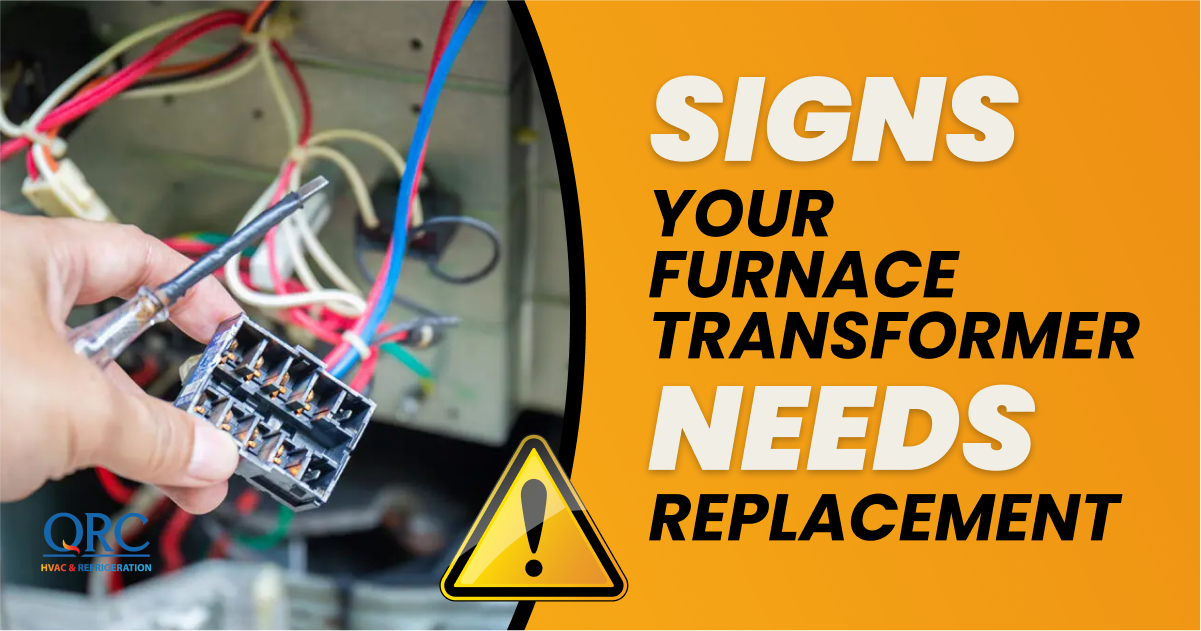 An often overlooked but important part of your heating system, your furnace transformer keeps other components running safely and efficiently. When your furnace starts showing signs of trouble, whether humming sounds or poor heating, it might need a furnace transformer replacement. Learn how your furnace transformer works, warning signs, and when to call the QRC team for help.
What Does a Furnace Transformer Do?
The furnace transformer is an electromagnetic device that transforms power and regulates electricity traveling to furnace components. The transformer is responsible for safely transferring electricity to components, such as the ignition system and thermostats, allowing them to efficiently work in sync. Without the transformer, your furnace won’t function. To regulate power, the transformer takes electricity from your home’s main AC power source, which is generally 120 volts. It then steps down or steps up the voltage to the appropriate level to power your furnace’s circuit board and other components. If the transformer is faulty, your furnace either won’t have enough power to operate or it’ll have too much, potentially leading to significant safety hazards and heating system damage.
Converting High Voltage to Low Voltage
Think of your furnace transformer as a dedicated power converter for your heating system. Its primary role is to take the high-voltage electricity from your home’s main electrical panel—usually 120 volts—and step it down to a much lower, safer voltage, typically 24 volts. This conversion is critical because the high voltage that powers your lights and appliances is far too strong for the delicate electronic components that control your furnace. By reducing the voltage, the transformer acts as a gatekeeper, protecting the sensitive control board, sensors, and thermostat from being overloaded and damaged, ensuring they can operate safely and correctly.
Types of Furnace Transformers
Not all furnace transformers are created equal, and the right one for your system depends on its specific power requirements. The main distinction comes down to the type of electrical service your building uses, which is why you’ll find different transformers in homes versus businesses. The two primary types are single-phase and three-phase transformers. Each is designed to handle a different electrical load, ensuring that everything from a small residential furnace to a large industrial rooftop unit gets the precise amount of power it needs to operate safely and efficiently.
Single-Phase Transformers for Homes
If you’re a homeowner, your furnace is almost certainly equipped with a single-phase transformer. This is the standard for all residential HVAC systems because they are designed to work with the single-phase electrical power common in houses. It provides a steady and reliable stream of low-voltage power that is perfectly suited for managing the heating and cooling cycles in a home environment. This ensures your system runs efficiently without interruption, keeping your family comfortable year-round.
Three-Phase Transformers for Commercial and Industrial Systems
Three-phase transformers are the heavy-duty counterparts used in larger settings. You’ll find these in commercial and industrial HVAC systems that have significantly higher energy demands than a typical home. Buildings like offices, retail centers, and manufacturing facilities rely on three-phase power for its robust and consistent delivery. This powerful electrical supply is necessary to operate the large, complex equipment needed to heat and cool bigger spaces effectively, from rooftop units to chillers.
Powering Essential Components
So, what does this low-voltage power actually do? The transformer’s main job is to safely power the furnace’s control components, which are essentially the system’s brain and nervous system. This includes the thermostat on your wall, the ignition system that lights the burners, the gas valve, and the main circuit board. These parts all communicate with each other to run a heating cycle. Without the transformer supplying the correct 24-volt power, these components can’t function. The thermostat can’t send a signal, the ignitor can’t spark, and your furnace simply won’t turn on, leaving you in the cold.
Signs Your Furnace Transformer Needs Replacement
Furnace transformer malfunctions can stem from a variety of problems, such as overloading, power surges, improper installation, and general wear and aging. These issues cause numerous warning signs, which are symptoms that your transformer is bad and needs replacing.
Furnace not turning on
Failure to start is the most immediate sign of a faulty furnace transformer. If the transformer is damaged or malfunctioning, it may prevent your furnace from receiving the appropriate power to operate.
Short cycling
Short cycling refers to when your furnace rapidly shifts between heating and idle cycles. Incorrect voltage resulting from a faulty transformer can disrupt the furnace’s operations, leading to inconsistent and inefficient performance. Furnace short cycling causes uneven heat distribution, utility bill spikes, and unnecessary wear on your system.
Humming or vibrating
Transformers emit a faint hum as they operate, but it shouldn’t be audible throughout your home. An increase in furnace humming, vibrating, or other sounds may indicate loose wiring, overheating, or other problems with the transformer.
Unresponsive thermostat
Your thermostat relies on low-voltage currents to communicate temperature shifts with your furnace. If the transformer malfunctions, the thermostat may stop responding or communicating to the furnace.
Frequent breaker trips
Overloaded or short-circuiting transformers may cause repeated circuit breaker trips or blown fuses.
Burn smells or visible damage
Burning smells from your furnace as well as scorch marks and other visible damage on the transformer suggest surges or overloading. Burnt transformers require replacement to avoid further electrical hazards.
Fan Runs but No Heat
It’s one of the more confusing furnace problems: you can hear the blower fan running and feel air coming from your vents, but the air is cold. This often points directly to a transformer issue. While the fan motor might receive power from one circuit, the transformer is responsible for sending the correct low-voltage power to the components that actually create heat, like the gas valve and ignition system. If the transformer has failed, it can’t send that crucial signal, leaving your furnace unable to light the burners. Your system goes through the motions, but without the transformer’s help, it can’t produce any warmth.
Common Causes of Furnace Transformer Failure
A furnace transformer rarely fails without a reason. Its breakdown is usually a symptom of an underlying problem in your electrical system or the furnace itself. Identifying the root cause is key to ensuring a replacement transformer doesn’t meet the same fate. From external power grid fluctuations to internal component wear, several factors can put stress on this small but essential part. Understanding what causes a transformer to go bad can help you protect your heating system and prevent an unexpected breakdown when you need it most.
Power Surges and Electrical Issues
Your furnace transformer is sensitive to the electricity flowing into it. A sudden, powerful surge of electricity—whether from a nearby lightning strike or an issue with the local power grid—can easily overwhelm its delicate internal windings and cause it to burn out instantly. These surges send a much higher voltage than the transformer is designed to handle, leading to immediate failure. While you can’t control the weather, ensuring your home’s electrical system is stable and having your HVAC system checked regularly can help mitigate some of the risks associated with electrical fluctuations.
Loose Wiring
Over time, the normal vibrations from your furnace’s operation can cause electrical connections to loosen. When a wire connected to the transformer isn’t secure, it creates a poor connection that can arc and generate excess heat. This heat can melt the wire’s protective coating and damage the transformer’s terminals, eventually causing it to short out or fail completely. This is one of the many reasons why routine preventative maintenance is so important; a technician can spot and tighten these connections before they lead to a bigger problem.
Related Component Failure
Your furnace is an interconnected system where one failing part can cause a domino effect. For instance, if another electrical component like a contactor or a relay gets stuck, it can force the transformer to run continuously. Transformers are not designed for constant, uninterrupted operation; they need downtime between heating cycles to cool off. When another part forces it to stay active, it will overheat and eventually burn out. A professional technician won’t just replace the transformer; they’ll diagnose the entire system to find and fix the original cause of the failure, ensuring a lasting HVAC repair.
What to Do If You Suspect a Transformer Problem
If you suspect your transformer has malfunctioned, try these troubleshooting steps:
- Inspect the electrical panel: Make sure your furnace is receiving power. Check your electrical panel for a tripped circuit breaker, resetting it if necessary. If it trips again, your furnace likely has a more complex problem that requires professional attention.
- Check the voltage: If you’re knowledgeable about basic electrical tools, use a multimeter to check the transformer’s voltage. If the voltage isn’t within range, the transformer may need replacement.
- Look for visible damage: Inspect the transformer for signs of damage, such as scorched areas, loose connections, or frayed wiring.
- Check for airflow problems: Poor airflow may cause your furnace to overheat, potentially triggering a safety shutdown or damaging your transformer. Inspect and replace dirty air filters, and ensure vents are open and unobstructed.
- Call a professional: If your troubleshooting steps don’t resolve your furnace concerns, call a professional HVAC technician. Furnace transformers are complex electrical components, and a licensed and certified technician can diagnose and repair them while minimizing the risk of electrical shocks, fires, or further furnace problems.
Why You Shouldn’t Attempt a DIY Repair
While it can be tempting to tackle home repairs yourself, working on a furnace transformer is a job best left to the pros. Transformers handle both high and low voltages, creating a significant risk of electrical shock for anyone without proper training. A mistake could not only lead to personal injury but also cause further damage to your furnace’s sensitive electrical components, turning a small issue into a major expense. A qualified residential HVAC technician has the right tools and expertise to safely diagnose the problem, confirm if the transformer is the true cause, and replace it correctly without putting you or your home at risk.
How a Technician Tests a Transformer
When a technician inspects your furnace, they follow a precise diagnostic process. To test the transformer, they use a tool called a multimeter to measure the electrical currents. The first step is to check if the higher voltage from your home’s electrical panel, usually 120 or 240 volts, is flowing *into* the transformer. Next, they check if the correct lower voltage, typically 24 volts, is coming *out* of the transformer to power the furnace’s controls. If the high voltage goes in but the low voltage doesn’t come out, it’s a clear sign that the transformer has failed and needs to be replaced.
Repairing the Transformer vs. Replacing the Furnace
Hearing that a part of your furnace has failed can immediately make you worry about the cost of a full replacement. The good news is that a bad transformer doesn’t automatically mean you need a whole new furnace. In most cases, the transformer is a component that can be replaced independently, restoring your system to working order. This type of repair is far more affordable and less disruptive than a complete furnace installation. An experienced technician can replace the faulty part and also assess the overall condition of your furnace to let you know if any other issues need attention.
Furnace Transformer Replacement: Cost and Timeline
When you need a professional repair, two of the biggest questions are how much it will cost and how long it will take. A furnace transformer replacement is a relatively quick and affordable fix. Understanding the typical cost and time frame can help you know what to expect when you schedule a service call. While every situation is a bit different, these estimates provide a general idea of the investment required to get your heat back on.
Average Replacement Cost
Replacing a furnace transformer is one of the more budget-friendly HVAC repairs. On average, the total cost for the service, including both the new part and the labor, typically falls between $100 and $300. The final price can vary depending on the specific model of your furnace and the accessibility of the unit. To get an accurate price for your system, it’s always best to get a direct quote. At QRC, we provide clear, upfront pricing for all our HVAC services so you can make an informed decision without any surprises.
How Long the Job Takes
You won’t have to block off your whole day for a furnace transformer replacement. For a skilled technician, this is a straightforward job that usually takes about one to two hours to complete. This time frame includes diagnosing the issue, carefully removing the old transformer, installing the new one, and testing the system to ensure everything is running correctly and safely. The quick turnaround means your home can be warm and comfortable again in no time, with minimal disruption to your daily routine.
Preventing Future Transformer Problems
Proactive maintenance helps your furnace run smoothly, optimizing its efficiency and prolonging its lifespan. Maintenance also prevents premature wear and breakdowns on your furnace’s components, including the transformer. Follow these maintenance tips to keep your furnace transformer working as it should:
- Replace air filters regularly: Replace your air filter at least every three months, potentially sooner depending on your filter type and household factors. Check your filter more frequently if you have pets or live in a dust-prone area.
- Ensure proper airflow: Keep vents open and unobstructed by furniture, rugs, or other belongings. Consider duct cleaning every few years to prevent dust buildup and blockages.
- Protect against power surges: Whether surges from the grid, faulty wiring in your home, lightning, or other incidents, power surges are a leading cause of furnace transformer failure. Ask your technician about whole-house surge protectors or specialized HVAC surge protectors.
- Avoid overloading: Have an HVAC technician inspect your system for faulty blower motors, burners, or other components that may draw excessive power and overload the furnace.
- Schedule professional maintenance: Arrange for yearly furnace tune-ups, during which an HVAC technician inspects your system for wear and inefficiencies to prevent future breakdowns. They also clean and adjust your furnace, keeping it running smoothly.
- Consider a replacement: If your transformer damages other parts of your system, speak with an HVAC technician about a new furnace. Upgrading to a new furnace is often cost-effective if your current unit has multiple or costly repair needs.
Call QRC in Winston-Salem for Furnace Repair and More
Get reliable and efficient heating when you rely on the QRC team for furnace repairs, installations, and more. Serving Winston-Salem, Greensboro, Oak Ridge, and other North Carolina areas, our expert HVAC technicians deliver high-quality workmanship and guarantee customer satisfaction with every furnace transformer replacement. Contact us or schedule a service online.
Frequently Asked Questions
Is it dangerous to have a faulty furnace transformer?
Faulty furnace transformers pose safety hazards if left unaddressed. They may lead to electrical hazards, such as short circuits and shocks, as well as furnace overheating, fire risks, and progressive damage.
How long do furnace transformers last?
Furnace transformers typically last between 10 and 20 years, often as long as your furnace.
Key Takeaways
- The Transformer is Your Furnace’s Power Converter: This small part takes your home’s high-voltage electricity and safely reduces it to a low voltage that powers the furnace’s control board, thermostat, and ignition system. Without it, the furnace’s brain can’t function.
- Look for Telltale Signs of Failure: If your furnace fan runs but blows cold air, the system short cycles, or the thermostat is unresponsive, a faulty transformer is a likely cause. These symptoms often mean the heat-producing components aren’t receiving the correct power.
- Replacement is a Job for a Professional: Due to the risk of electrical shock, always call a qualified technician to handle a transformer issue. The good news is that it’s an affordable and quick repair that typically gets your heat back on without needing a full system replacement.