


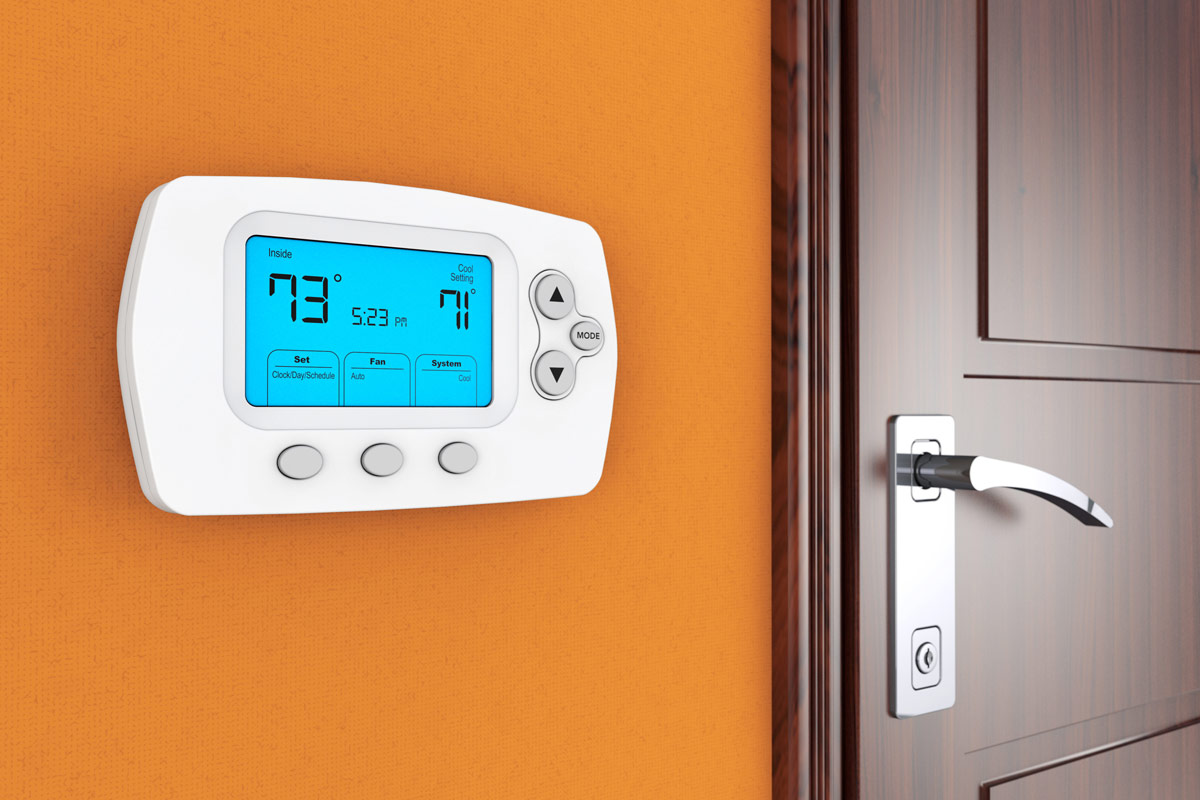
Think of your HVAC system not as a single appliance, but as a highly coordinated team of specialized parts. The thermostat is the coach, calling the plays. The furnace and air conditioner are the star players, generating the heating and cooling. The ductwork is the delivery network, ensuring the conditioned air gets where it needs to go. For you to experience perfect comfort, every member of this team has to perform its job correctly. If one component is struggling, the entire system’s performance suffers. We’ll introduce you to each player on the team, explaining their specific role so you can better understand what it takes to keep your hvac system winning all year long.
An HVAC System’s job is to maintain the temperature of your office building. HVAC stands for Heating, Ventilating/Ventilation, and Air Conditioning. Your HVAC system keeps your building cool in the summer and warm in winter. According to the Consumer Energy Center, 44% of your utility bill is just for heating and cooling your building. Needless to say, it’s important to maintain and upgrade the components of your HVAC system to take control of your energy bill. What are those components that need to be maintained? Let’s break it down for you: 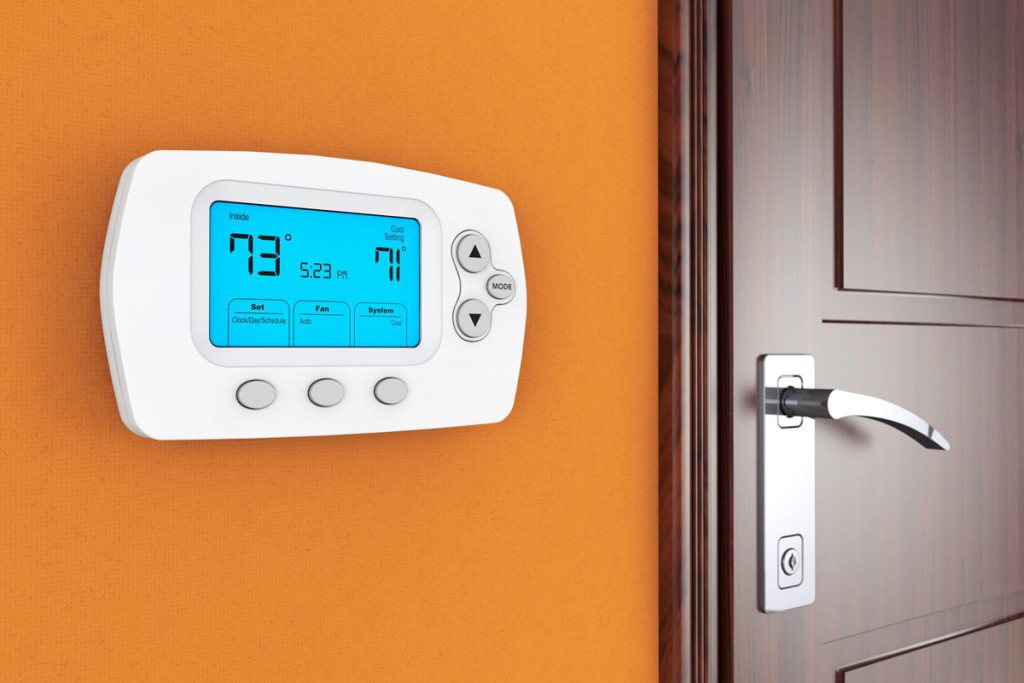 1. Thermostat This is the part of the HVAC system with which you’re most likely familiar. The thermostat is how you program the temperature of your building. Depending on the temperature of the building, it will either warm or cool the air supply. Then the HVAC system circulates the air to reach the desired temperature on the thermostat. 2. Furnace The furnace is the largest component of your HVAC system. Its main function is keeping a supply of air warm and ready for distribution through the building. It heats the air by either electric resistance, solar energy collected on site, combustion (burning natural gas, oil, coal, or propane), or using the heat pump. 3. Heat Exchanger This is a part of your furnace as well. It switches on when the thermometer activates the furnace. It pulls in cool air and warms it up, then circulates it through your ducts or vents. 4. Evaporator Coil This is also a part of the furnace, located on the outside of it in a metal enclosure. But the evaporator coil cools the air when your temperature is set to a lower temperature with the help of the condensing unit.
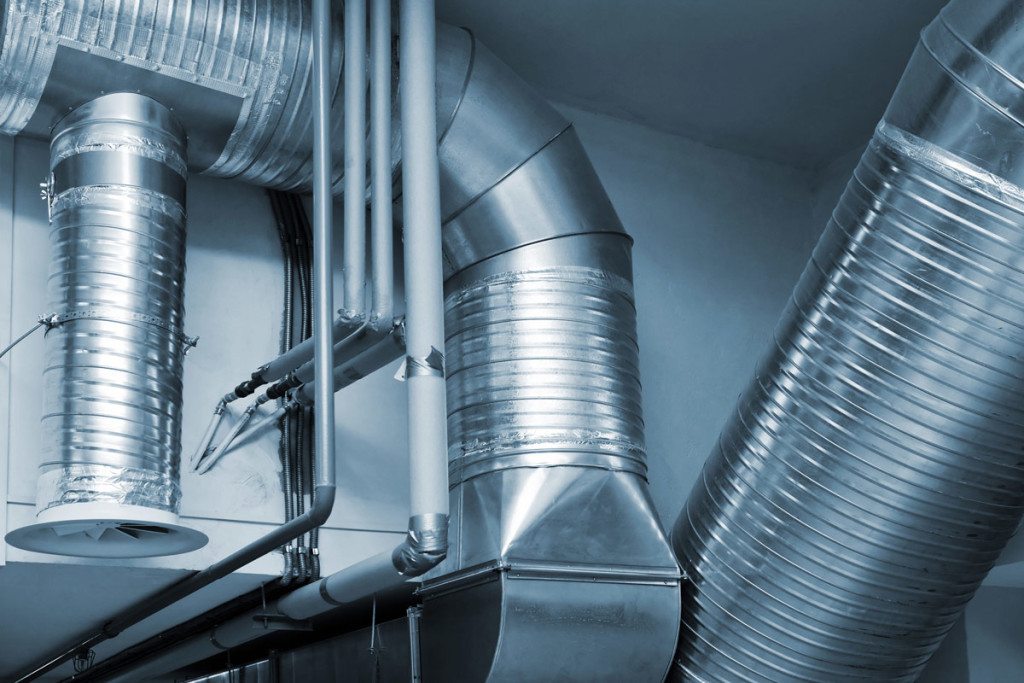
  5. Condensing Unit The condensing unit connects to the evaporator coil on the furnace. It’s installed by HVAC contractors who fill it with refrigerant gas. This gas is then cooled to a liquid by the heat exchange with the exterior air. Then the condensing unit will send the liquid to the evaporator coil where it returns to a gas state. 6. Refrigerant lines These lines carry the refrigerant in the form of a gas to the condensing unit and also return it, in liquid form, to the evaporator coil. They are narrow tubes that are often made of copper or aluminum. 7. Ductwork This is the system that transports the hot or cold air from the furnace throughout your entire building. They are often composed of aluminum. 8. Vents These are the openings from the ducts that actually guide the air into each room of your building. They can be manually opened or closed. You can also direct the vents in a specific direction where you want air to flow.
  That’s how your HVAC system works! All those components help your HVAC system:
- control the air temperature in your building
- ventilate and decontaminate the air that enters your building
- promote proper air movement
- control the moisture content in the air.
Now that you know how important your HVAC system is to your environment, are you ready to get your system serviced before the cold winter months ahead?
The Core Components of an HVAC System
Your HVAC system might seem like one big, mysterious box, but it’s really a team of specialized parts working in sync to keep your home or business comfortable. Understanding what each component does makes it easier to appreciate why routine care is so important for both performance and longevity. Whether you’re managing a complex commercial system or your home’s heat pump, knowing the fundamentals helps you stay ahead of potential problems. Let’s break down the key players that make up your heating, ventilation, and air conditioning system.
1. Thermostat
Think of the thermostat as the brain of the operation. It’s the control center where you communicate your comfort preferences to the entire system. The thermostat constantly monitors the air temperature in your space. When the temperature drifts from your set point, it sends a signal to the furnace or air conditioner to turn on or off. Modern programmable and smart thermostats have taken this a step further, allowing you to create automated schedules that save energy and ensure your environment is always just right when you need it to be.
2. Furnace
The furnace is the powerhouse responsible for generating heat. Located in a basement, closet, or attic, this unit converts fuel into warmth. Most furnaces run on natural gas or propane, but electric models are also common. When the thermostat calls for heat, the furnace ignites its burners to warm up a critical component called the heat exchanger. A blower motor then pushes air across the hot heat exchanger, and that warmed air is circulated throughout your building via the ductwork to raise the indoor temperature.
3. Heat Exchanger
Tucked inside the furnace, the heat exchanger has a crucial and clever job: it safely transfers heat from the combustion process to the air that circulates through your home. It’s a series of metal tubes that get extremely hot. As the blower fan pushes air over these tubes, the air absorbs the heat. Critically, the heat exchanger keeps the breathable air separate from the toxic combustion gases, like carbon monoxide, which are then safely vented outside. This makes a properly functioning heat exchanger essential for both warmth and safety.
4. Evaporator Coil
When it’s time to cool things down, the evaporator coil steps up. This component, typically located inside your home near the furnace or air handler, is essential to the air conditioning process. It contains extremely cold refrigerant that flows through its tubing. As the warm indoor air is blown across the coil, the refrigerant absorbs the heat from the air, much like a sponge soaks up water. This process not only cools the air but also helps dehumidify it, as moisture from the air condenses on the coil’s cold surface.
5. Condensing Unit
The condensing unit is the part of your air conditioner that lives outside. Its main job is to release the heat that the evaporator coil collected from inside your home. The refrigerant, now a warm gas carrying the indoor heat, travels to the condensing unit. Here, a compressor puts the gas under high pressure, and a large fan blows outdoor air across the condenser coils. This action allows the heat to escape from the refrigerant, causing it to cool down and turn back into a liquid before it cycles back inside to start the process over again.
6. Ductwork
If the furnace and AC are the heart and lungs of your system, the ductwork is the circulatory network. This series of large tubes, usually made of metal or flexible materials, is responsible for distributing the conditioned air to every room. A well-designed and properly sealed duct system is vital for efficiency. Leaks, blockages, or poor insulation in your ductwork can lead to significant energy loss, uneven temperatures, and poor indoor air quality, forcing your HVAC system to work much harder than it should.
Each of these parts relies on the others to function correctly. If one component is dirty, worn out, or failing, it can strain the entire system, reducing efficiency and leading to uncomfortable temperatures. That’s why a proactive approach with a service maintenance program is so valuable. Regular professional check-ups ensure every component is clean, calibrated, and in top working order, helping you avoid unexpected breakdowns and costly repairs.
### Air Handler The air handler is the indoor unit that houses the blower fan, which is responsible for circulating conditioned air throughout your ductwork. It’s a key component in systems that use a heat pump or air conditioner without a furnace. Think of it as the heart of your system’s circulation, pushing the warm or cool air where it needs to go. While a furnace both heats and moves air, the air handler’s primary job is distribution. It works in tandem with your outdoor unit to ensure that every room reaches the temperature you’ve set on your thermostat, making it a critical player in your home’s overall comfort. ### Return Vents While supply vents push conditioned air into a room, return vents pull stale air out and send it back to the HVAC system to be heated or cooled again. This continuous loop is essential for proper air circulation and consistent temperatures. If return vents are blocked by furniture or rugs, it can strain your system and lead to uneven temperatures and poor air quality. Ensuring these vents are clear is a simple but effective way to help your HVAC system operate efficiently, maintain comfort, and keep your energy bills in check by allowing air to circulate freely. ### Indoor Air Quality (IAQ) Components Modern HVAC systems do more than just control temperature; they can also significantly improve the air you breathe. At QRC, we often integrate advanced indoor air quality solutions into the systems we service. These components work together to reduce pollutants, manage humidity, and bring fresh air into your space. Investing in IAQ is an investment in the health and comfort of everyone in your building, whether it’s your family at home or your employees at work. These additions can make a noticeable difference in everything from allergy symptoms to overall wellness.
Air Purifiers and Cleaners
These components are your first line of defense against airborne irritants. As air cycles through your HVAC system, purifiers and cleaners use filters or other technologies to trap and reduce particles like dust, pollen, pet dander, and other allergens. According to the EPA, reducing these airborne particles can have a significant impact on respiratory health. This is especially beneficial for people with asthma or allergies, as it creates a cleaner, healthier breathing environment inside your home or business.
Humidifiers and Dehumidifiers
These devices manage the moisture levels in your air, which can make your space feel more comfortable and prevent issues like mold growth or dry skin. In the winter, a humidifier adds moisture to dry air, which can help soothe irritated sinuses and protect wood furniture. In the humid summer months, a dehumidifier removes excess moisture, which helps prevent the growth of mold and mildew and makes the air feel cooler at the same temperature. Maintaining balanced humidity is key to both comfort and protecting your property.
Ventilators
A ventilator brings fresh outdoor air into your building while exhausting stale indoor air, ensuring a constant supply of clean air. Modern buildings are often sealed tightly for energy efficiency, but this can trap indoor pollutants. A ventilator solves this problem by exchanging stale indoor air with fresh outdoor air without significant energy loss. This process helps dilute airborne contaminants and odors, creating a healthier and more pleasant indoor environment for everyone.
UV Lamps
Installed near the indoor cooling coil, UV lamps use ultraviolet light to kill mold and bacteria, preventing them from circulating through your air. The cool, damp environment of the evaporator coil can be a prime breeding ground for microorganisms. UV lamps neutralize these contaminants at the source, ensuring that the air being pushed through your vents is not only cool but also clean. It’s a proactive way to maintain both your system’s health and your indoor air quality.
How Air Conditioning Works: The Refrigeration Cycle
The cooling process relies on a chemical compound called a refrigerant, which continuously cycles through the system to absorb heat from inside your building and release it outside. This fascinating process is what makes air conditioning possible. It’s not about creating cold air, but rather about removing heat. Understanding this cycle can help you appreciate the complex work your AC unit does every day to keep you comfortable. The entire operation is a closed loop, with the refrigerant changing between a liquid and a gas to move heat effectively.
The cycle starts when the compressor squeezes the refrigerant, increasing its pressure and temperature and turning it into a hot, high-pressure gas. This is the powerhouse step of the process, as the compressor does the heavy lifting to get the refrigerant moving and ready to release its stored heat. From here, the hot gas is pushed toward the outdoor unit, where the next stage of heat exchange will take place.
This hot gas moves to the condenser coil, typically in the outdoor unit. A fan blows ambient air across the coil, which allows the heat from the refrigerant to escape into the outdoors. As the refrigerant loses its heat, it cools down and condenses into a high-pressure liquid. This is why you feel warm air blowing from your outdoor AC unit—it’s the heat that was just removed from inside your home.
The high-pressure liquid refrigerant then flows through an expansion valve. This valve rapidly lowers the refrigerant’s pressure, which in turn causes its temperature to drop dramatically. It emerges from the valve as a cold, low-pressure mist. This step is crucial for preparing the refrigerant to absorb heat once it moves back inside your home.
Finally, this cold refrigerant passes through the evaporator coil located inside your building. The indoor fan blows warm air from your rooms across the coil, and the refrigerant absorbs the heat from that air. The now-cool air is distributed through your vents, and the warmed refrigerant, having turned back into a low-pressure gas, returns to the compressor to begin the cycle all over again.
Types of HVAC Systems
Split Systems
This is the most common configuration for residential homes. It consists of an outdoor unit containing the compressor and condenser, and an indoor unit with the evaporator coil and furnace or air handler. The two units are “split,” with one inside and one outside, connected by refrigerant lines. This setup is popular because of its efficiency and ability to provide powerful, centralized heating and cooling for an entire home through a system of ductwork.
Ductless Mini-Split Systems
Ideal for heating or cooling specific rooms or areas without ductwork, these systems feature an outdoor unit connected to one or more indoor units. Each indoor unit can be controlled independently, offering flexible zoning and incredible energy efficiency. They are a great solution for home additions, older homes without existing ducts, or for supplementing a central system in hard-to-cool areas. QRC HVAC & Refrigeration specializes in installing and servicing these versatile systems for both homes and businesses.
Heat Pumps
Heat pumps are clever all-in-one systems that provide both heating and cooling. Instead of generating heat, they move it. In summer, they function like a standard air conditioner, moving heat from inside your home to the outside. In winter, they reverse the process, extracting heat from the outdoor air (even when it’s cold) and transferring it inside to warm your space. They are highly efficient, especially in moderate climates like we have here in North Carolina.
Dual Fuel Systems
This hybrid system combines an electric heat pump with a gas furnace for the best of both worlds. The highly efficient heat pump handles cooling and moderate heating, which covers most days of the year. When the temperature drops to freezing, the system automatically switches to the powerful gas furnace to provide robust warmth. This intelligent approach optimizes energy use year-round, giving you comfort and control over your utility bills.
Packaged Systems
In a packaged system, all the heating and cooling components—the compressor, condenser, and evaporator—are housed in a single cabinet located outside, often on a rooftop or on a concrete slab next to the building. These are common in commercial and industrial settings where indoor space is limited. Conditioned air is sent into the building and returned to the unit through ductwork that passes through an exterior wall or the roof.
Geothermal Systems
These highly efficient systems leverage the stable temperature of the earth to heat and cool your building. A network of pipes is buried underground, and a water-based solution circulates through them to transfer heat. In winter, the system absorbs heat from the ground and carries it into your building. In summer, it reverses, pulling heat from your building and depositing it into the cooler earth. While the initial investment is higher, the long-term energy savings are substantial.
Boilers and Radiant Heating
Often found in older buildings and industrial facilities, boilers heat water to create either hot water or steam. This is then circulated through a network of pipes to radiators, baseboard heaters, or through tubes installed in the floor for radiant heating. Instead of blowing hot air, this method radiates heat directly to objects and people in the room, providing a consistent and comfortable warmth that many people prefer.
Understanding Energy Efficiency and Sizing
SEER2, EER2, and AFUE Ratings
These acronyms are your window into a system’s efficiency. SEER2 (Seasonal Energy Efficiency Ratio) and EER2 (Energy Efficiency Ratio) rate cooling efficiency—the higher the number, the less energy the unit uses to cool your space. AFUE (Annual Fuel Utilization Efficiency) measures a furnace’s heating efficiency, indicating how much fuel is converted directly into heat versus being lost. Understanding these ratings helps you choose a system that will save you money on utility bills over its lifetime.
BTU (British Thermal Unit)
A BTU is a unit of heat energy, and an HVAC system’s capacity is measured in BTUs. This measurement helps determine the right size system to effectively heat or cool your space. A system that’s too small will run constantly without ever reaching the desired temperature, while one that’s too large will cycle on and off too frequently. This “short cycling” is inefficient and creates poor humidity control. Proper sizing is critical for both comfort and efficiency.
ENERGY STAR®
When you see the ENERGY STAR® label, you know you’re looking at a high-efficiency product. This label is awarded to HVAC systems that meet or exceed strict energy efficiency guidelines set by the U.S. Environmental Protection Agency. Choosing an ENERGY STAR® certified system is a straightforward way to ensure you’re getting a unit that will perform well while helping you reduce your carbon footprint and save money on energy costs.
Health, Safety, and Design Considerations
Carbon Monoxide Risk
For systems that burn fuel, like natural gas furnaces, proper ventilation is absolutely critical to prevent the buildup of carbon monoxide (CO). CO is a colorless, odorless, and potentially fatal gas produced by incomplete combustion. A well-maintained and properly vented furnace, along with working CO detectors in your building, are essential safety measures to protect everyone inside. Regular professional inspections can identify any cracks in the heat exchanger or blockages in the flue that could lead to a dangerous leak.
Ventilation and Air Circulation
Good ventilation is key to reducing the spread of airborne contaminants and maintaining fresh indoor air. The CDC suggests that achieving at least five air changes per hour can help minimize germs in the air, a goal that a well-designed HVAC system can help achieve. Proper air circulation ensures that conditioned, filtered air reaches every corner of your space while stale air is effectively removed, contributing to a healthier indoor environment for everyone.
Placement of Components
The location of your HVAC components matters more than you might think. A thermostat, for example, should be installed on an interior wall in a central area, away from direct sunlight, drafts, or heat sources to get an accurate temperature reading. Meanwhile, supply vents are often most effective when placed near windows or doors to create an “air curtain” that counteracts heat loss in the winter and heat gain in the summer, leading to more consistent comfort throughout the room.
Cost and Decision-Making: When to Repair or Replace
Average Cost of a New System
The cost of a new HVAC system can be a significant investment, typically ranging from $8,000 to $25,000. The final price depends on many factors, including the type of system you choose, its size and efficiency rating, the complexity of the installation, and whether any ductwork needs to be modified or replaced. While it’s a large upfront expense, a new, high-efficiency system can pay for itself over time through lower energy bills and fewer repair costs.
The “$5,000 Rule”
A helpful guideline for deciding whether to repair or replace your aging system is the “$5,000 Rule.” Simply multiply the age of your unit by the estimated repair cost. If the result is more than $5,000, replacement is often the more economical choice in the long run. For homeowners and businesses considering their options, QRC offers convenient virtual Tele-Tech appointments to help evaluate your current system and discuss replacement needs without an in-person visit.
The Importance of Professional Installation and Maintenance
Why Professional Installation is Necessary
Installing an HVAC system is not a DIY project. It involves complex electrical work, proper handling of refrigerants, and strict adherence to local building codes and manufacturer specifications. A professional installation by a licensed and certified technician is the only way to ensure your system operates safely, efficiently, and as intended. Improper installation can lead to poor performance, higher energy bills, frequent breakdowns, and can even void your manufacturer’s warranty.
Finding a Reputable Company
When choosing an HVAC partner, it’s important to do your homework. Look for a company with a strong track record of reliability and customer satisfaction in your community. Getting referrals from friends or neighbors, reading online reviews, and verifying that they are properly licensed and insured are all crucial steps. A reputable company will be transparent about pricing, provide written estimates, and stand behind their work with solid guarantees.
The Value of Regular Maintenance
Routine maintenance is the single best thing you can do to protect your HVAC investment. It keeps your system running at peak efficiency, helps prevent unexpected and costly breakdowns, and can significantly extend its operational lifespan. Professional service, like the maintenance programs offered by QRC, ensures that all components are cleaned, inspected, and tuned up for the season ahead. This proactive care provides peace of mind and saves you money on both energy and repair bills over time.
Need HVAC Help? Call Us at 336-788-5407 or Submit a Service Request!
Information and Image Sourceswww.nsf.orgwww.ul.com
Frequently Asked Questions
How often should I have my HVAC system professionally serviced? For optimal performance and longevity, you should have your system professionally maintained twice a year. A technician should check your air conditioning components in the spring before the cooling season starts, and then inspect your heating system in the fall before you need it for winter. This regular care keeps everything running efficiently, catches small issues before they become major problems, and is the best way to protect your investment.
My outdoor unit is running in the winter. Is it broken? Not at all! If you have a heat pump, this is completely normal. In heating mode, a heat pump works by extracting heat from the outdoor air and transferring it inside. The outdoor unit has to run to make this happen. It’s essentially running in reverse of how it operates in the summer, and it’s a very energy-efficient way to keep your space warm during North Carolina’s milder winter days.
Is it a good idea to close the vents in rooms I’m not using? While it seems like a smart way to save energy, closing vents can actually do more harm than good. Your HVAC system is designed to circulate air throughout a specific amount of space. Closing vents disrupts this balance, increasing pressure in your ductwork. This can strain your system’s blower motor, lead to leaky ducts, and cause uncomfortable temperature swings in other parts of the building. It’s best to keep all your vents open for balanced, efficient operation.
What’s the real difference between a furnace and an air handler? Think of it this way: a furnace creates heat and also moves air. It has burners that generate warmth and a blower fan to circulate that warm air. An air handler, on the other hand, only moves air. It contains the blower fan and the indoor evaporator coil, but it doesn’t create its own heat. You’ll find an air handler paired with a heat pump or an air conditioner in systems that don’t use a furnace for heating.
Besides a total breakdown, what are some signs my HVAC system might need professional attention? You should call a technician if you notice strange noises like grinding or squealing, or if you detect unusual smells, especially a burning odor. Other warning signs include weak airflow from your vents, rooms that are too hot or too cold, your system cycling on and off more frequently than usual, or a sudden, unexplained spike in your energy bills. These are all indicators that a component may be failing and needs a professional look.
Key Takeaways
- Know Your System’s Key Players: Your HVAC system is a team, not a single unit. Recognizing the roles of the thermostat (the brain), furnace (the heat source), and coils (the cooling engine) helps you spot issues early and communicate more effectively with a technician.
- Efficiency Ratings Directly Impact Your Wallet: Acronyms like SEER2 and AFUE aren’t just jargon; they measure how much energy your system uses to keep you comfortable. Choosing a higher-rated system and ensuring it’s properly sized are crucial steps to managing long-term utility costs.
- Prioritize Professional Maintenance for Longevity and Safety: An HVAC system is a complex machine where neglected upkeep can lead to inefficiency, costly breakdowns, and safety risks. Regular professional service is the most effective way to protect your investment and ensure it runs reliably.