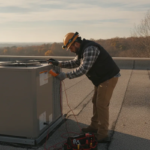
Triad heat pump replacement planning is easier when you start before the system stops working on a cold night. If your heat pump is struggling to keep rooms comfortable, needing repeated attention, or showing changes in operation, begin gathering information now. A site visit can help us explain what is happening and whether repair or replacement deserves consideration.
Request guidance about your heat pump or call QRC at (336) 281-5144.
When should you start planning a heat pump replacement?
Start planning when the system’s performance or reliability changes enough that you need to make a decision, not only when it stops running. A heat pump can continue to operate while providing less comfort than before. That makes early assessment useful: you can understand the condition of the equipment, ask about repair options, and consider a replacement timeline without making a rushed choice during a breakdown.
There is no single age or symptom that automatically means a heat pump should be replaced. The right answer depends on the equipment’s condition, the repair needed, how reliably it has served the home, and whether it can meet the home’s heating and cooling needs. A technician should evaluate the actual system and explain the findings. If a repair remains a sound option, replacement planning can wait; if not, you have time to ask informed questions.
In Winston-Salem, Greensboro, High Point, and nearby Triad communities, weather can shift from mild to cold quickly. If your equipment already has recurring problems as heating season begins, contact us before the issue becomes urgent. A planned conversation gives you more time to understand the work and schedule a next step that fits the situation.
Which signs deserve attention before the system fails?
One symptom by itself does not prove that a replacement is needed. Instead, notice patterns and share them with the technician. These observations can help focus an assessment:
- Comfort has become inconsistent. Some rooms feel colder or warmer than others, or the home takes much longer to reach the thermostat setting.
- The system needs attention repeatedly. A series of service visits or recurring symptoms may be worth reviewing as a whole rather than treating each event in isolation.
- Operation has changed. New or unusual sounds, repeated starts and stops, or a change in how long the system runs are useful details to report.
- The heat pump struggles during cold weather. If the home is not maintaining a comfortable temperature when outdoor conditions change, arrange an assessment instead of assuming the cause.
- You are weighing a significant repair. Before deciding, ask what the repair addresses, what condition the rest of the system is in, and what alternatives make sense.
Keep a short record of when the issue occurs, which rooms are affected, and whether it happens in heating, cooling, or both modes. If a thermostat setting or operating condition changed shortly before the symptom started, note that too. These facts do not replace a diagnosis, but they give the service conversation a clear starting point.
For a closer look at issues that may affect operation, see our guide to common heat pump repair issues. If the system is running but not heating properly, our heat pump repair and service guide can help you organize what to ask before arranging help.

What should a replacement assessment cover?
A useful assessment should start with the home and the equipment, rather than with a decision made in advance. Tell the technician what has changed, when it happens, and what repairs or service have already taken place. The technician can inspect the system, evaluate its operation, and discuss the observed condition and your comfort concerns.
Replacement planning also needs to account for how the home uses heating and cooling. Household routines, comfort preferences, room-by-room concerns, and the existing duct system can all shape which options are appropriate. A replacement should be matched to the home and the people living in it, not selected only by copying the size or configuration of the old equipment. If a proposal is being considered, ask how the home’s requirements and ductwork were evaluated.
Ask for a clear explanation of three things: what the technician found, which options are available, and what the next step would involve. If repair is recommended, understand what it is expected to address. If replacement is discussed, ask how the proposed system fits the home and what the work includes. QRC bases replacement recommendations on an in-home engineering analysis, including load and ductwork calculations, and a lifestyle analysis. We use that information to discuss options matched to the home’s needs, your priorities, and your budget.
For general background on heat pump technology and home energy topics, the U.S. Department of Energy is a useful starting point. General information cannot determine what is right for a particular home; an on-site evaluation is needed for that.
How can you compare repair and replacement?
Compare the choices using the same questions, rather than treating a repair estimate and a replacement proposal as if they were identical. Repair addresses a specific fault or performance issue. Replacement is a broader project that changes the system and may involve related work. The best path depends on the equipment’s condition, your goals, and the assessment findings.
| Question | Repair path | Replacement planning |
|---|---|---|
| What is being considered? | A defined issue affecting the current system. | A new system selected for the home and its requirements. |
| What should you understand? | What the repair is intended to fix and what the technician found about the rest of the system. | How the home, load, ductwork, comfort priorities, and proposed equipment were evaluated. |
| When may it fit? | When the technician finds a repair is a reasonable way to address the problem. | When system condition, recurring concerns, or household goals make a replacement worth evaluating. |
| What is the next step? | Review the repair explanation, then decide whether to proceed. | Discuss matched options, project scope, timing, and any questions before deciding. |
For either path, ask what is included and what assumptions the recommendation depends on. If you are comparing proposals, check that they address the same comfort needs and scope of work. A lower initial figure cannot be meaningfully compared with another option unless you know what each includes. We do not recommend choosing a system from a generic size chart or a price range alone; the home assessment is central to making a useful comparison.
If you are considering a major repair or a replacement, review QRC’s financing information and ask us what options may be available for your situation. Financing details should be discussed directly and evaluated alongside the project scope and your budget.
What can you do before a service visit?
A little preparation helps you explain the problem and get useful answers. You do not need to diagnose the equipment yourself. Instead, collect information that describes what you have noticed and what matters to your household.
- Write down the symptoms. Note when they began, how often they happen, and whether they occur in heating mode, cooling mode, or both.
- Identify the affected spaces. Be specific about rooms or levels that feel different. Mention whether the concern is constant or appears only under certain conditions.
- Gather available system information. If you can safely see a model label or past service paperwork, have it available. Do not remove panels or attempt work on the equipment.
- List prior service and repairs. Approximate dates and descriptions help show whether a concern is new or recurring.
- Think about your priorities. Tell us whether you are most concerned about reliable heating, uneven comfort, planning a project before a failure, or understanding the available options.
- Prepare questions. Ask what the assessment found, what repair would address, what replacement would involve, and what information supports the recommendation.
If your heat pump is operating in an unfamiliar mode during a cold snap, our article about when to use emergency heat explains why homeowners may see that setting and why it is worth asking about your specific system. Follow the equipment’s instructions, and contact a technician if you are unsure how it should be operating.
How early should you plan in the Triad?
Plan as soon as a recurring concern makes you question the system’s reliability, especially before the coldest part of the season. This does not mean every homeowner needs to replace a working heat pump preemptively. It means that an early assessment can clarify whether there is a repair to make, a developing issue to monitor, or a replacement decision to prepare for.
Timing also depends on the home and the project. If the system is still heating, you may have room to assess choices and ask follow-up questions. If it cannot maintain comfort or has stopped operating, the need is more immediate. Tell us what is happening so we can understand the circumstances and discuss an appropriate next step. For a broader look at routine care, see our guide to annual heat pump service.
Residential service is focused on the Triad and surrounding communities. If you are unsure whether your address is within the service area, ask before making plans. Commercial work has a different geographic scope, so a commercial property owner should describe the property and the equipment when contacting us.
How do you make a replacement plan that fits your home?
A replacement plan should answer more than which piece of equipment will be installed. Think through the conditions you want the system to address and the practical constraints of the project. If the home has a room that stays cold, a level that feels different, or a thermostat schedule that has changed, explain that during the assessment. Those details help us understand the comfort goal instead of treating the project as a simple equipment swap.
Consider how your household uses the home through the year. Are there rooms occupied more often now? Has a renovation changed the layout or the way spaces are used? Are you planning to remain in the home for the foreseeable future, or do you have a different time horizon? These are not technical diagnoses, but they help clarify which priorities matter when we discuss options. Be candid about what you value most, including dependable heating, consistent comfort, project timing, and the budget you need to work within.
Also ask how the proposed work accounts for the duct system and the distribution of heated air. Replacing equipment without understanding the home’s load and ductwork may leave important comfort questions unanswered. A careful evaluation should explain the basis for the recommendation and whether any related concerns need attention. If more than one system serves the property, make sure the assessment identifies which areas each one serves and whether the systems have the same needs. Do not assume that replacing one unit automatically means every system in the home should be changed.
Write down your questions and compare the answers after the visit. You might ask: What did the assessment show? Which parts of the home influenced the proposed selection? What is included in the work? What should I expect on installation day? What information should I keep after the project? Clear answers make it easier to compare the path forward with your household priorities. If a point remains unclear, ask for it to be explained before making a decision.
Planning is not a commitment to replace equipment. It is a way to understand the current condition and to avoid making a major choice without enough context. If repair is appropriate, you can discuss that route. If replacement appears to be the better option, you can review the proposed scope, ask about timing, and consider available financing information. Either way, the decision should follow the assessment rather than a general rule that applies to every heat pump.
How can you plan around a Triad heating season?
In the Triad, a mild stretch can make a developing heating problem easy to put off. A later cold spell may reveal that the system is having trouble maintaining the temperature you expect. If you have noticed a pattern, make a note of it even when the weather improves. Describe the outdoor conditions as best you can, the thermostat setting, how the home felt, and whether the issue affected one area or the whole house. Those details are more helpful than a general statement that the heat pump “doesn’t work well.”
Use the time before a visit to make sure the technician can reach the equipment and thermostat. Keep any relevant service paperwork available, and let us know about access limits, household schedules, or other practical considerations when arranging the appointment. You do not need to change settings repeatedly to recreate a problem, and you should not open the equipment cabinet or attempt a repair. If the system is making an unusual sound, a brief description of when it happens may help. Safety comes first: if you notice a condition that seems unsafe, stop interacting with the equipment and seek appropriate professional help.
Think about how you will manage comfort while a decision is being made. If the system is still operating, ask whether it is reasonable to continue using it while the assessment is arranged, and what signs would mean you should call again sooner. If the home is already uncomfortable, say so clearly when you contact us. The urgency of a visit depends on what is happening at the property, so sharing accurate details is better than guessing at a schedule or assuming that every symptom has the same cause.
Households with more than one system should make a simple map of the home before the appointment. Note which thermostat or unit serves each section, if you know, and identify the rooms where comfort differs. This helps keep the conversation specific. The technician can evaluate the equipment and explain whether the issue appears limited to one system or relates to a broader comfort concern. Each system should be considered on its own condition and role in the home; a single recommendation should not be applied automatically to every unit.
When you receive options, give yourself time to review the written scope and raise questions. Confirm what equipment and work are proposed, what the next steps are, and whether the recommendation reflects the issues you described. If timing is important, tell us why, but do not feel you must make a decision based on a vague fear that the equipment will fail at a particular moment. A grounded plan is based on an evaluation of the actual system, a clear understanding of the work, and your household’s comfort needs.
What happens after you decide to move forward?
Once you understand the assessment and choose a path, confirm the scope and the practical details before work begins. For a repair, make sure you understand the problem being addressed and any follow-up advice. For a replacement, review the proposed equipment, project scope, timing, and how the work relates to the home’s heating and cooling needs. Ask any questions that remain before authorizing the work.
Many single-system changeouts can be completed in one day, though the actual schedule depends on the home and project. If the assessment identifies more than one system or additional work, ask how that affects the plan. Keep the proposal and any system information for your records, and make sure everyone in the household knows what to expect during the visit.
We can help you understand the options without assuming replacement is the right answer. To learn more about the residential services we provide, visit our QRC HVAC and refrigeration home page, or use our contact page to describe the issue and request guidance.
Talk with QRC about your replacement plan or call (336) 281-5144.
Frequently Asked Questions
Does an older heat pump always need to be replaced?
No. Age alone does not establish that a system should be replaced. Its condition, performance, repair needs, and ability to meet the home’s needs all matter. Ask for an assessment of the equipment and a clear explanation of the options before deciding.
Should I wait until my heat pump stops working?
Not if you are already seeing recurring problems or declining comfort. An assessment while the system is operating can give you time to understand whether repair or replacement planning makes sense. If it has stopped heating, contact a service professional promptly and explain the current conditions.
Can I choose a replacement based on the old system’s size?
The existing system can provide useful information, but it should not be the only basis for a new selection. The home, load, ductwork, comfort priorities, and proposed equipment should be evaluated. Ask how those factors were considered in the recommendation.
What should I bring up when I contact QRC?
Describe the symptoms, when they occur, which rooms are affected, and any recent service. Tell us whether the system is still heating and what questions you have about repair or replacement. These details help us understand the situation and discuss a useful next step.
Ready to Plan Your Triad Heat Pump Replacement?
If you are weighing repair against replacement or want to understand a heat pump’s condition, contact QRC to discuss an in-home assessment. Request guidance from our team and tell us what you have noticed.
With clear information about your system and your home, you can make a more confident decision about what to do next.